
Robotics data market watch.
Who is collecting, selling and training on robot data, what it costs, and what works. Written for engineers and buyers in robotics.

A Closed-Form Weight Edit Took pi0.5 From 27 to 106 of 128 on a Misread Instruction, but Only When Written Into the VLM
Northeastern and General Motors (arXiv:2611.11894, 9 November 2026) copied the effect of a known-good rewording into pi0.5's VLM weights with one ridge solve per layer and no gradients: held-out success went from 27 to 106 of 128. The same edit in the action expert scored 20 of 64, in a least-norm action head 0. Edits aimed at perception, contact and missing skills did not help.
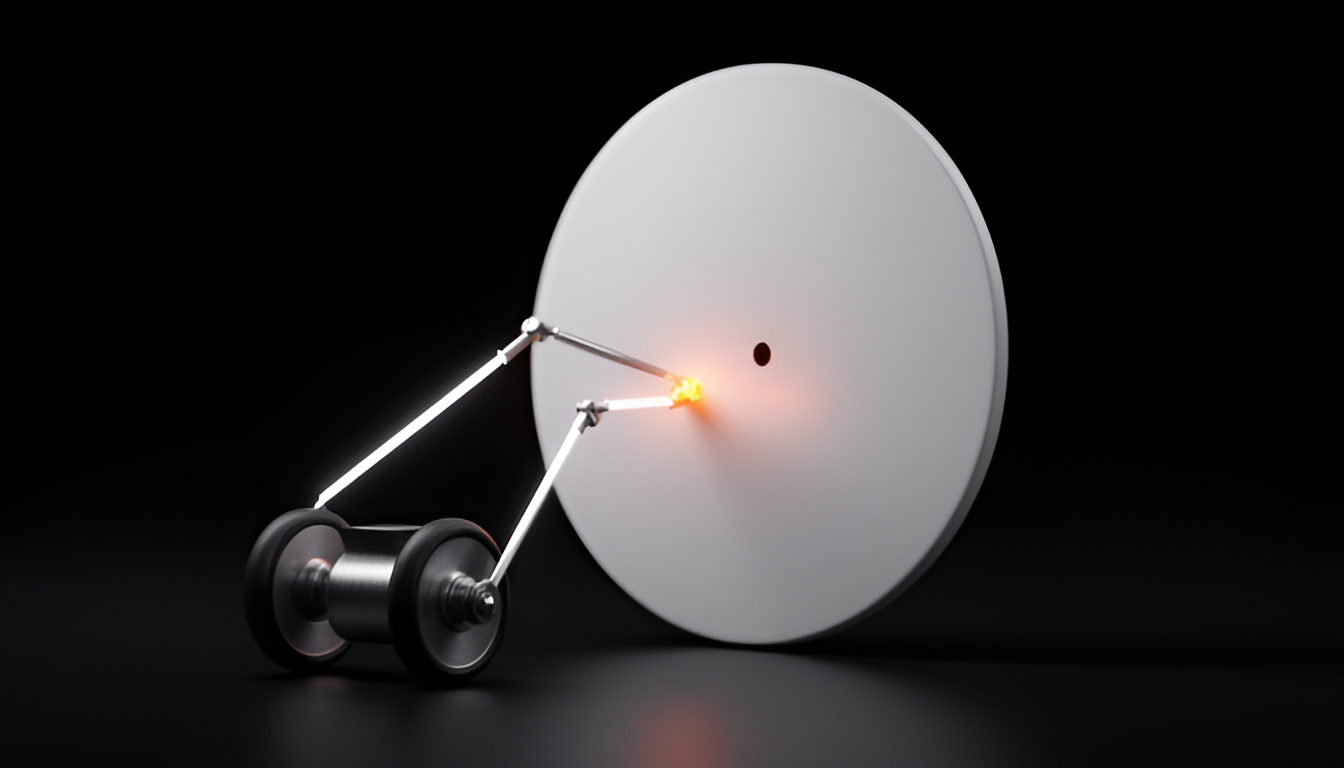
A 3,200 Euro Robot, 250 Demonstrations, Four VLAs: pi0 Cleaned a Toilet Seat 12 of 20 Times, pi0.5 5 of 20, SmolVLA and GR00T Zero
Hamburg, Hon Hai Research Institute and Northeastern University (arXiv:2611.15381, 11 November 2026) put two SO-101 arms on a TurtleBot 4 and fine-tuned four VLAs on the same 250 demonstrations, about 6.7 hours. pi0 reached 60% strict success, 90% with one human reset; pi0.5's open release 25%; SmolVLA and GR00T N1.7 0%. Our intervals show the pi0 to pi0.5 gap is p = 0.054 on 20 rollouts.

VI AMO Relabeled 6,600 Robot Episodes for Operator Intent. 57 of Its 5,500 Training Episodes Carry Noncommercial Wording, and 44.8% of Episodes Hold One Action.
ETH Zurich and CUHK released VI AMO (arXiv:2611.16419, 12 November 2026), 33.03 hours of robot video from 11 sources with 13,653 machine-drafted action labels, and VIM, a Qwen3.5-27B fine-tune that lifts intent similarity from 0.581 to 0.825. Our audit of the Hugging Face release: DROID is 44.2% of the hours, 2,957 episodes hold a single action, 62.6% of test action labels appear verbatim in training, and 57 training episodes carry noncommercial terms.

V-JEPA 2's Predictor Adds 0.04 Top-1 Over Copying the Present on 27,000 Egocentric Trials. By Horizon, It Runs From Minus 0.05 at 1 s to Plus 0.16 at 3.5 s.
A persistence control in arXiv:2611.15082 (Deccan AI, 11 November 2026) switches off a world model's predictor and keeps everything else. On 27,000 household egocentric retrieval trials, V-JEPA 2's predictor adds +0.028 to +0.041 top-1 and V-JEPA 2.1's adds +0.291. Our split of Table 3 by horizon shows V-JEPA 2 loses to its own control at 1 s and gains up to +0.164 at 3.5 s, and 47.5% of the trials sit at horizons of 1.5 s or less.
Ten Crowd Action Labels per Keyframe Beat Extra Teleoperation on 5 of 5 Real Tasks at Equal Robot Time. It Cost About 1.5x the Human Time.
CrowdMAPS (arXiv:2611.15078, University of Minnesota, CoRL 2026) has 47 web annotators add alternative goal poses to states a robot already visited. With ten actions per keyframe, a diffusion policy averaged 73.2% on five real tasks, against 53.2% for adding expert teleoperation at about the same robot time (2.2 vs 2.3 hours) and 25.8% for the base data. One label per keyframe lost to extra teleoperation on every task. Researchers hand-checked each label and rejected up to 49%, and total human time ran about 1.5x.
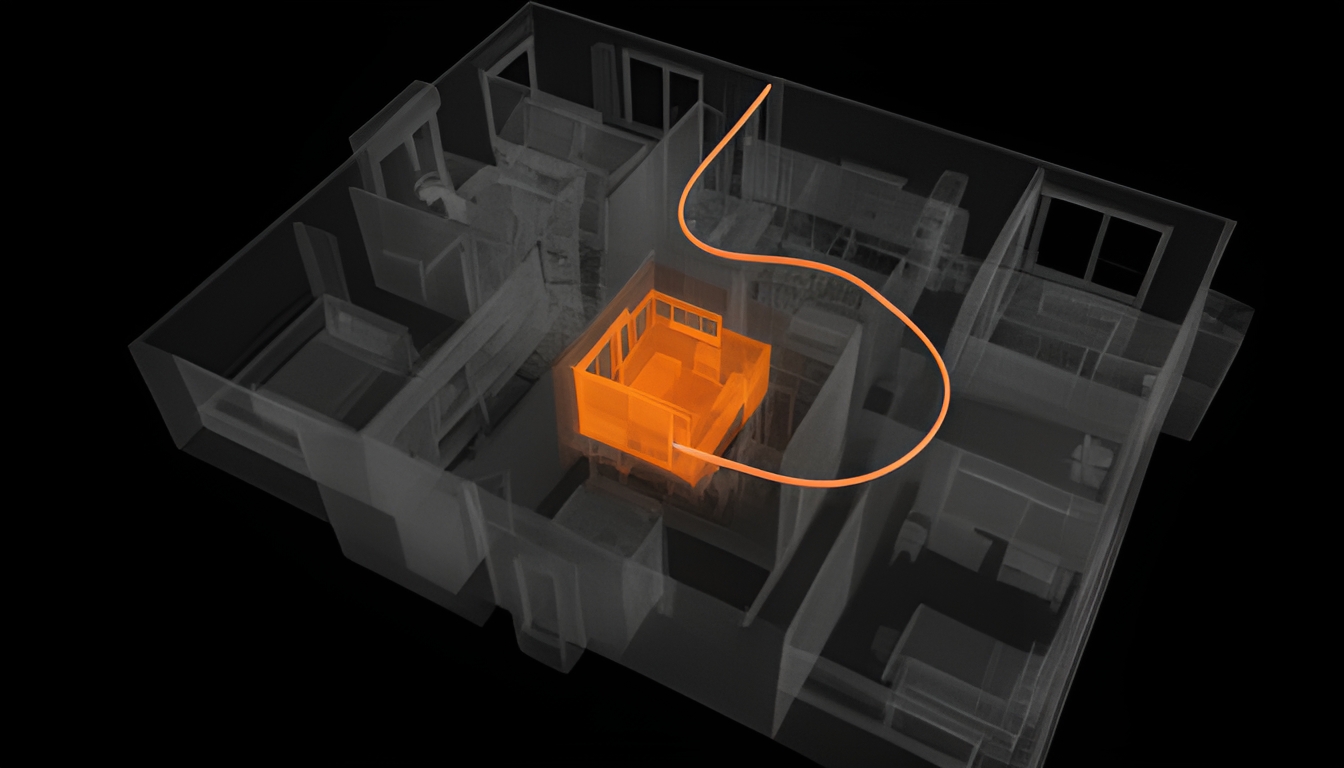
Ropedia Xperience 2 Reports 1,589 Released Scans. The Hugging Face Repo Holds 126, No Task Video and No Scan Registration Yet, Under CC BY-NC.
Ropedia Xperience 2 (arXiv:2611.17060, 12 November 2026) pairs LiDAR scans of real rooms with head-mounted egocentric recordings. The paper counts 1,589 released scans and an inventory of 4,230 recordings over 131 hours. We read the Hugging Face metadata on 13 November: 126 scenes, 194 task recordings, 8.33 hours, 1.07 TB, of which 79.6% is scanner imagery. Task recordings ship as estimated motion without video, the recording-to-scan registration is not in the files, and the data licence is CC BY-NC 4.0.
A pi0.5 Variant Went From 13% to 93% on a 5 cm/s Conveyor When Its Action Rate Rose From 20 to 30 Hz. A Free Execution-Horizon Change Matched RL Steering.
KIT's Intuitive Robots Lab (arXiv:2611.15491, 11 November 2026) held pi0.5 fixed and varied how its action chunks are executed on a real Franka. On the fast belt, raising the action rate from 20 to 30 Hz took the ABPolicy configuration from 13% to 93% over 15 trials. Synchronous execution scored 20% at a 10-step horizon where asynchronous methods scored 60 to 75%. RTC matched FASTER with 3.2x the time to first action, and RL latent steering reached 64 to 69% where changing the execution horizon reached 71% with no training.
Open-HumanWAM-50K Kept 50,000 of 104,289 Egocentric Hours. 81.5% Is Internet Video, and the Apache-2.0 Tag Covers Only the Authors' Own Contributions.
Open-HumanWAM (arXiv:2611.06817, v1 4 November 2026, v3 10 November) releases a curated 50,000-hour egocentric corpus built from five sources. Curation removed 52.1% of 104,289 input hours, and 81.5% of what survived is a HumanNet subset of internet video. Each tenfold increase in pretraining hours bought 15.88 points of out-of-distribution RoboTwin success, and 1,000 human hours beat 5,000 robot hours. The Hugging Face tag reads Apache-2.0; the card says the source datasets keep their own terms, and one of them, EgoDex, is CC-by-NC-ND.
Raw Ego4D Scored Below Robot-Only Training. The 975 of 3,976 Hours With Visible Hands Beat It, and the Real Robot Tied pi0.5 at 20 vs 22 of 50.
Ego Guidance (arXiv:2611.13685, Zhejiang University, Peking University and Ant Group, 10 November 2026) co-trains a VLA on human egocentric video with no action labels. Unfiltered Ego4D underperformed the robot-only baseline; two filters that discard 75% of the hours reversed that. On a real bimanual robot the model scored 20 of 50 against 22 of 50 for pi0.5, and under visual perturbations 26 of 60 against 28 of 60, winning on one task and losing on the other.
A Worse Teleoperator's Demos Cost 1.55x at a 25-Second Limit and 1.11x at 100 Seconds. Mixing Operators Cost 13% at Both.
A 9 November 2026 study (arXiv:2611.11947, Stanford, CUHK and Maryland) prices robomimic's Better and Worse teleoperators in demonstrations. On Square an all-Worse set needs 1.55 times as many demonstrations at the 25-second limit and 1.11 times at 100 seconds, because most of the gap is slow completion. A half-and-half set needs 13% more than the two groups' separate values predict at every limit from 20 to 200 seconds, and Worse operators only pay off below a third of the Better hourly rate.
Two Tactile Pads With No Wrist Camera Beat the Wrist Camera on 3 of 3 Contact Tasks. Adding the Camera Back Did Not Help.
A Toyota Research Institute study (arXiv:2611.10490, 7 November 2026) ran 1,000 real rollouts of ACT policies with wrist cameras and FlexiTac tactile pads switched on and off. Pooled over bag retrieval, plug insertion and whiteboard wiping, vision alone scored 19.4%, adding a wrist camera 43.3%, adding touch instead 66.7%, and adding both 62.2%. On visible placement tasks touch added 0 to 13 points and none of it was significant.
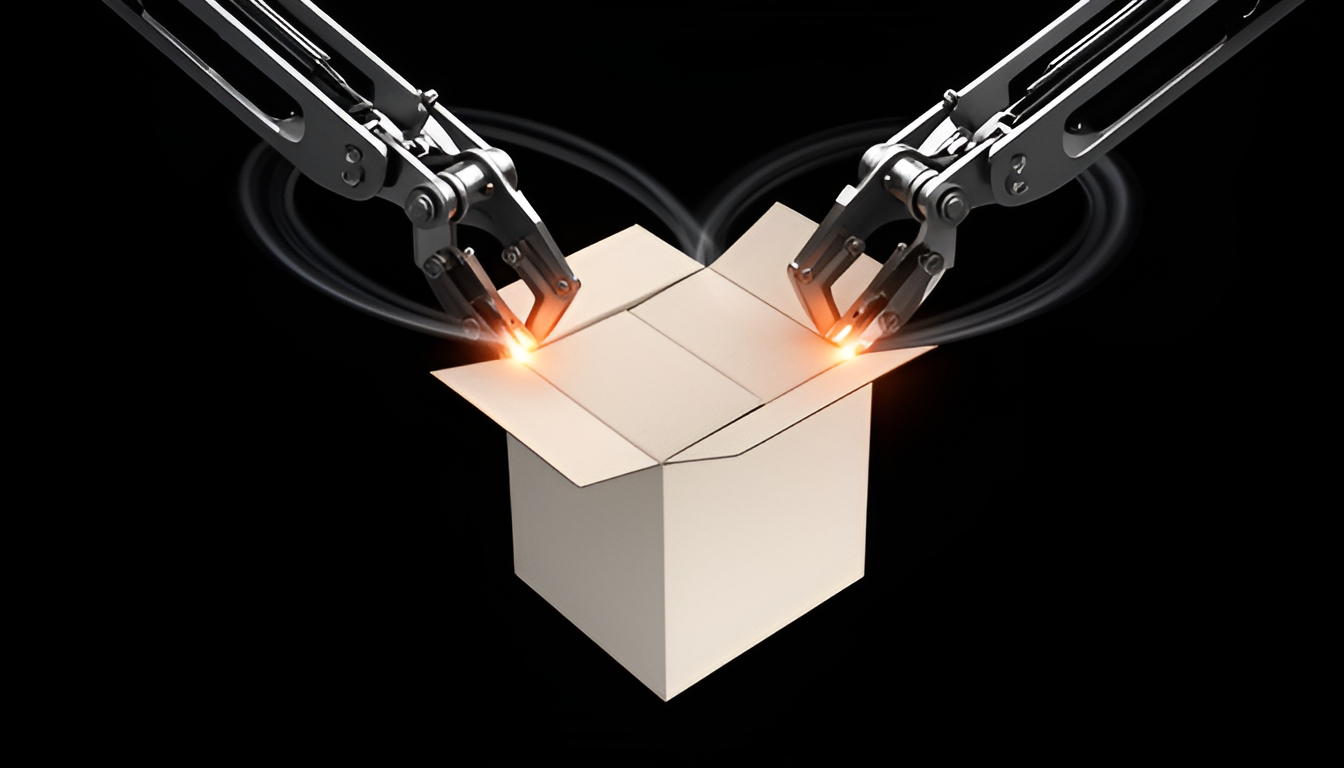
654 Handheld Human Demos Scored 6.8% on Two Contact-Rich Tasks. 240 Corrected Robot Rollouts Raised It to 79.8%.
Pixel-UMI (arXiv:2611.03647, Carnegie Mellon, 2 November 2026) reaches 91.79% average task progress on three mobile manipulation tasks from sensorized human demonstrations alone. On box folding and jacket hanging, the same pipeline with 654 human demonstrations reaches 6.82%, and two rounds of on-robot DAgger corrections lift it to 79.77%. Robot rollouts with the human data removed score 73.41%. The authors name the missing signal themselves: contact force.
RoboMoCap Released 200 Hours of Optical Mocap Under CC BY 4.0. The Most Accurate Retargeter Turned 53.6% of Clips Into Usable Unitree G1 Motion.
RoboMoCap (arXiv:2611.10994, 7 November 2026, NUS MAGIC Lab, BitRobot and Grounded Superintelligence) pairs six head cameras and two wrist cameras with 53-marker optical motion capture at 120 Hz across 200+ hours and 14 participants, licensed CC BY 4.0. On its own retargeting benchmark, OmniRetarget had the lowest body error (34.8 mm) and passed 53.6% of clips; PHC had five times the error and passed 79.6%. No method was run on a physical robot.
Touch Predicted From Video Recovered 12% of a Real Tactile Sensor's Gain: 69% on One Task, 1% on Another
Ego2Contact (arXiv:2610.22932, 16 October 2026) trains a touch predictor on human egocentric video paired with tactile-glove data, then feeds its output to robot policies in place of a sensor. Recomputed from the paper's Table IV, predicted touch added 4.1 points of mean success across four simulated dexterous tasks where ground-truth touch added 34.8. Without robot tactile data for fine-tuning, the human-trained predictor scored a contact IoU of 0.008 on the robot hand.
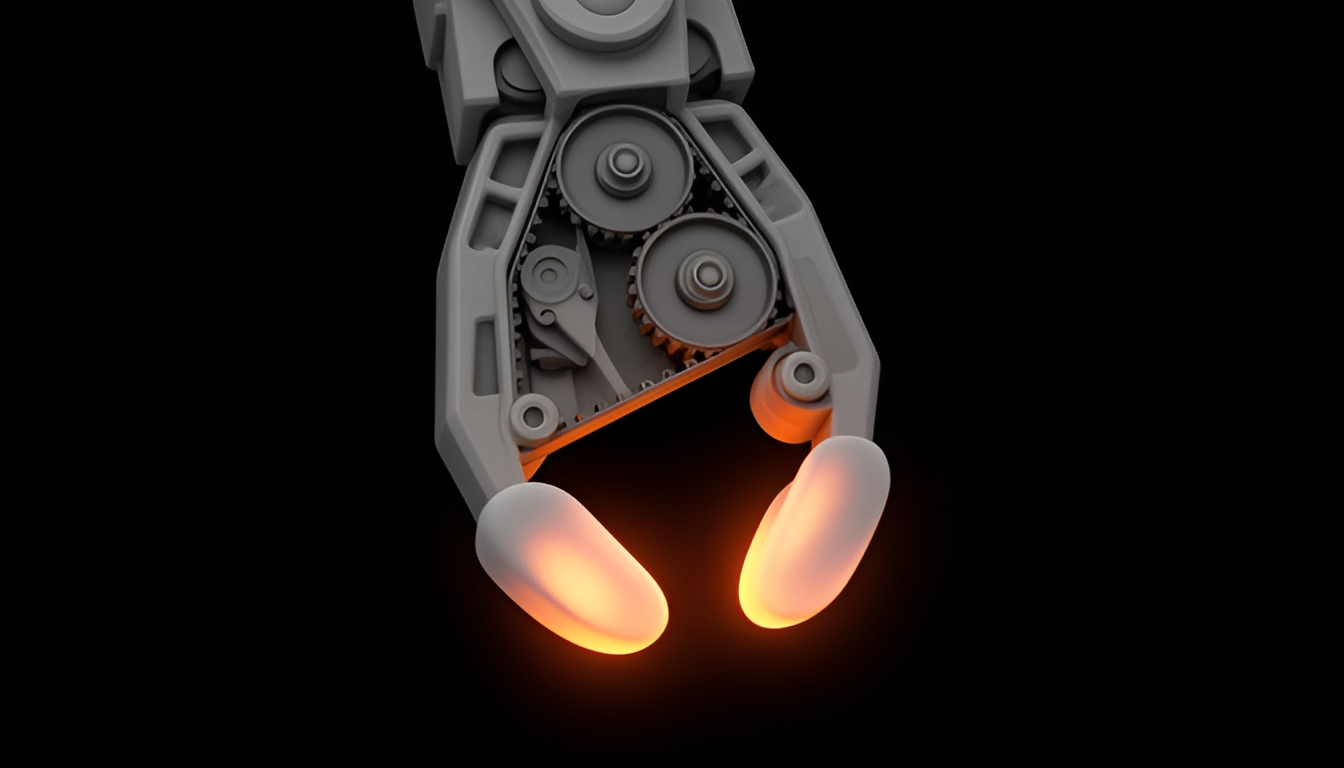
A $150 Gripper's Task Success Rose 36 Points When Grasp Force Got Its Own Policy, and 2 Points Without Tactile Input
TF-Gripper (arXiv:2602.10013, 10 February 2026, University of Virginia and Columbia) is a $150, 3D-printed gripper sensing 0.45 to 45 N. Recomputed directly from the paper's five per-task cells, switching its control from position to a dedicated force policy (RETAF) raised five-task average success from 24% to 60%. The identical switch on a tactile-blind baseline moved success only from 10% to 12%. Tactile sensing without a force-dedicated policy bought almost nothing on its own.
LIBERO, LIBERO-Plus, SimplerEnv and RoboArena Are Not Measuring the Same Thing
OpenVLA scores 76.5% on LIBERO and 15.6% on LIBERO-Plus's perturbation suite, a 60.9-point fall; OpenVLA-OFT falls only 27.5 points on the identical swap. SimplerEnv does not rank policies at all, it scores how well a simulator predicts real-robot results. RoboArena skips absolute scores entirely: 612 pairwise real-world comparisons across 7 institutions and 4,284 rollouts. None of the four tests whether a policy handles an unfamiliar contact force.
Mecka Raised $60M on October 7. Its Capture Data Was Already Measured in Two Published Robot-Learning Papers.
Mecka AI closed a $60 million Series B led by Sequoia Capital on 7 October 2026, past a self-reported $100 million run rate. The MECKA subset of the EgoVerse dataset it co-authored already supplies 49.2% of Ego2Robot's egocentric input hours and 20% of EgoLAP's training batch, both measured in papers this site has covered, and EgoLAP's own confound-free number for what that human data adds is 9.2 points, not its 19.9-point headline.
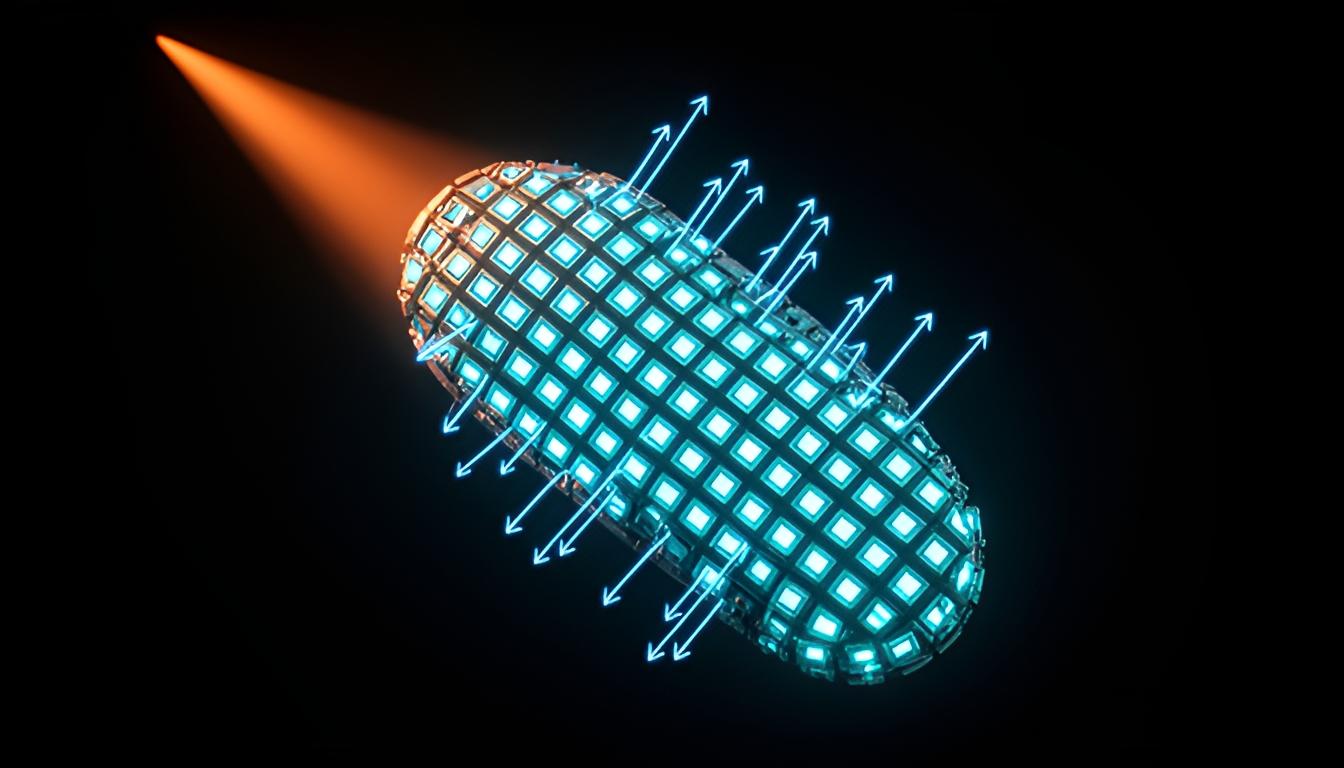
A $50 Tactile Fingertip Lifted Three Contact-Rich Robot Tasks From 45.0% to 91.7% Success, and Shear Data Did Most of the Lifting
PanoTac (arXiv:2611.03520, submitted 2 November 2026) is a low-cost, compliant three-axis tactile fingertip, a 12-by-32 grid of taxels reading normal and shear force at 60 Hz for under $50 a fingertip. Across test-tube preparation, grain scooping, and salt pouring, a vision-plus-PanoTac policy averages 91.7% success against 45.0% for vision alone, with two intermediate tactile designs landing at 73.3% and 78.3% in between.
AIRoA-0 Trained on 16,151 Hours of Handheld Data and Zero Robot Demonstrations. It Beat the Best of Four VLA Baselines 78% to 27%.
AIRoA-0 (arXiv:2611.03815, AIRoA with Toyota Motor Corporation and AIST, 2 November 2026) learns bimanual manipulation purely from 16,151 hours of handheld demonstrations recorded with YUBI, an open-source handheld gripper, with no robot data, no teleoperation and no reinforcement learning at any stage. Across ten real tasks at an unseen site it averages 78% success against 27% for the strongest of four other vision-language-action models post-trained on the same demonstrations.
A $50 Tactile Fingertip Lifted Three Contact-Rich Robot Tasks From 45.0% to 91.7% Success, and Shear Data Did Most of the Lifting
PanoTac (arXiv:2611.03520, submitted 2 November 2026) is a low-cost, compliant three-axis tactile fingertip, a 12-by-32 grid of taxels reading normal and shear force at 60 Hz for under $50 a fingertip. Across test-tube preparation, grain scooping, and salt pouring, a vision-plus-PanoTac policy averages 91.7% success against 45.0% for vision alone, with two intermediate tactile designs landing at 73.3% and 78.3% in between.
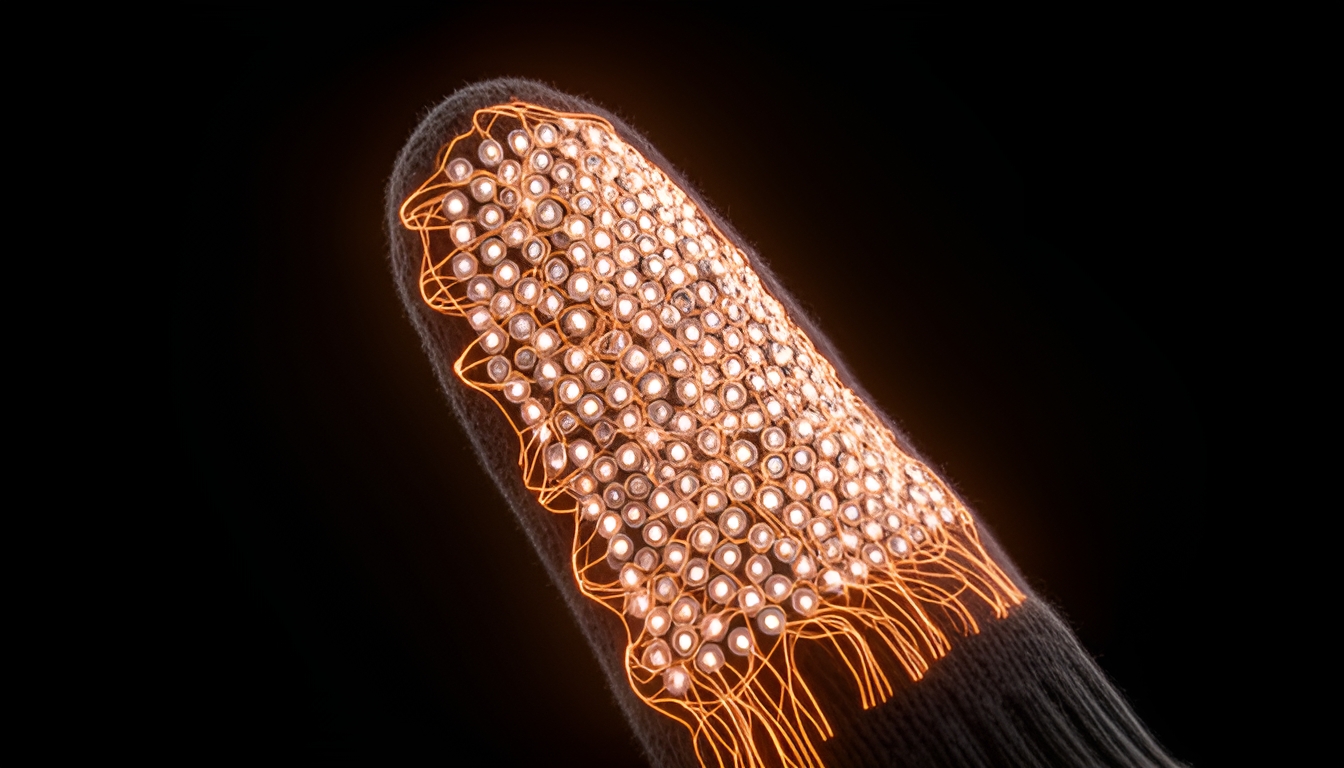
Tactus Resolves Force Down to 0.59 N, 1.6 to 2.7x Finer Than Two Commercial Gloves, While Holding Pose Error to 11.0 mm Under Full Occlusion
Tactus (arXiv:2610.39076, Meta Reality Labs Research, submitted 29 October 2026, revised 4 November 2026) is a textile glove combining calibrated fingertip force with occlusion-resilient pose tracking. In the first quantitative cross-platform comparison of its kind, it resolves a minimum detectable force of 0.59 N, 1.6 to 2.7x finer than two commercial gloves the paper calls PPS and JQ, and sustains 11.0 mm fingertip keypoint error during the heaviest hand-object occlusion.
SpatialDex Pre-Trains on 1 Million RGB-Only Human Video Clips by Reconstructing 3D Scene Geometry Instead of Just Watching Pixels. It Beats the Best of 11 Baselines 76.3% to 59.8% in Simulation and 49/60 to 26/60 in the Real World, and Dropping the Geometry Scores Worse Than No Human Pretraining At All.
SpatialDex (arXiv:2610.29716, Cornell University, submitted 21 October 2026) pre-trains a bimanual manipulation policy on 1 million ordinary RGB human video clips by reconstructing 3D scene geometry and hand motion from them, then grounding a vision-language model in that geometry. Across nine simulated tasks it averages 76.3% success against 59.8% for the strongest of 11 published baselines, and across six real tasks it scores 49 of 60 trials against 26 of 60 for the same baseline. An ablation that strips out the reconstructed geometry and keeps only raw RGB features scores 36.8%, below the 45.6% a policy gets with no human-video pretraining at all.
Recording a Teleoperator's Real Eye Gaze, Then Using It Only to Regularize Training, Lifts Real-Robot Success From 48.1% to 58.6% Across 18 Tasks. Pushing the Gaze Signal Too Hard Drops Performance Below the No-Gaze Baseline.
GazeAct (arXiv:2610.24507, University of Hong Kong, submitted 17 October 2026) records a teleoperator's screen-based eye gaze at 300 Hz on 12,000 demonstrations across 40 tasks and five domains, then uses it as a training-only regularizer for vision-language-action policies. Real-world success rises from 48.1% to 58.6% on average across 18 tasks, transfers to a second backbone (OpenVLA, 45.2% to 55.7%) and to simulation (LIBERO-Spatial, 57.9% to 69.6%), but an ablation shows the gain depends on treating gaze as a soft prior: the strongest regularization weight tested scores 38.0%, below the 59.5% no-gaze baseline on the same six-task subset.

Scaling a Deployed Fleet to 96 Robots Cut Phone-Packaging Failures From 20.83% to 1.67%, Using Only Binary Success-or-Fail Labels on the Robots' Own Attempts. No New Expert Demonstrations Were Collected to Get There.
A Tsinghua University, AgiBot and Infinigence AI paper (arXiv:2610.25736, revised 21 October 2026) runs Collective Experience Learning across a deployed fleet of up to 96 robots on five real manipulation tasks, replacing expert corrections with binary outcome labels and a retrieval method, FERT, that mines the fleet's own successful attempts. Average failure rate across five tasks drops from 19.00% to 2.67%, an 86.0% relative reduction, and the largest single-task gain, Phone Charging, falls from 40.00% to 2.50% failures while Phone Packaging success rises from 79.2% to 98.3% as the fleet grows from 16 to 96 robots.

TDV Turns One Human Video Into a Robot Policy by Extracting Only the Object's Trajectory. One Demo Succeeds 6 of 13 Trials. Fifty Generated Demos From That Same Video Succeed 13 of 13.
TDV (arXiv:2610.21792, Tsinghua Shenzhen International Graduate School with Zerith Robotics and the University of Science and Technology of China, submitted 15 October 2026) extracts an object's 6D pose trajectory from a single human demonstration video, then augments that one trajectory into a training set for a diffusion policy. On a real UR5 arm, one generated demo succeeds 6 of 13 trials on position generalization for a cup-to-coaster task; fifty succeed 13 of 13. In RLBench simulation it averages 91.8% across 12 tasks against baselines at 71.6% to 79.4%.

EgoJEPA Drops Hand-to-Robot Retargeting Entirely. Out-of-Domain Success Hits 74% Against 65% for Retargeting and 40% for a Robot-Only Policy, With 47% Less Cross-Embodiment Training Time.
EgoJEPA (arXiv:2610.20904, X Square Robot with MBZUAI, Shanghai Jiao Tong University, Xense Robotics and Sun Yat-sen University, submitted 14 October 2026) learns latent actions from egocentric human video without mapping wrist and finger poses onto a robot's joints at all. Across five real tasks and three embodiments it reaches 74% average success under out-of-domain evaluation, against 65% for a retargeting baseline, 40% for a robot-only policy and 40% for DexWild, while cutting cumulative cross-embodiment training cost from 743.2 to 392.7 hours.
15 Minutes of Human Play Bootstraps a Robot That Collects Its Own Dexterous-Manipulation Data. The Resulting Policy Matches Reinforcement Learning at 490 Times Fewer Interaction Frames.
DSP, Dexterity from Supervised Play (arXiv:2610.22340, Amazon Frontier AI and Robotics with the University of Maryland, College Park, submitted 15 October 2026), trains a play policy from 15 minutes of human teleoperation, deploys it to collect 701,000 frames of autonomous interaction, then plans against a world model trained on that data. On the Push-T benchmark it beats hindsight behavior cloning 98% to 74% at the loose success threshold and matches a performance-matched RL policy that needed 344 million frames, 490 times more.
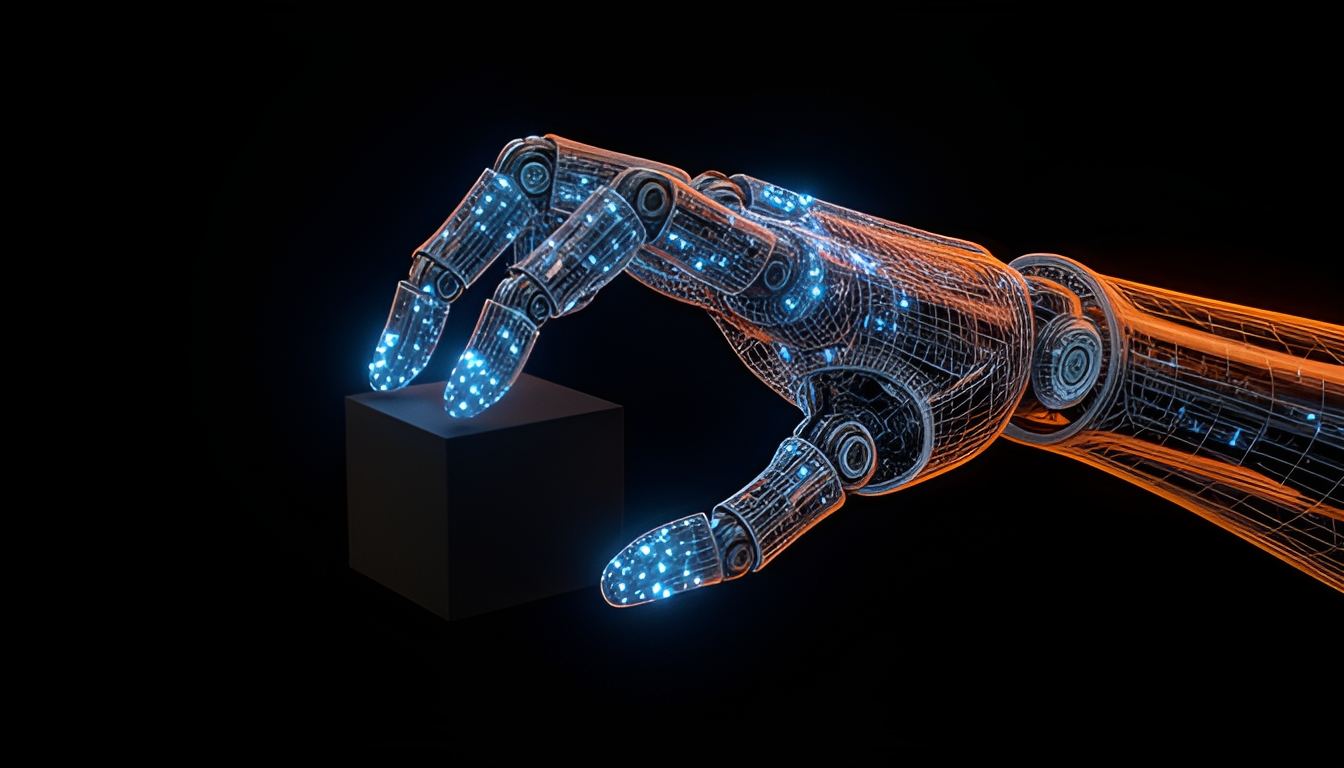
Evo-DexBench Separates Dexterous Policy Transfer From Memorization. The Best of Five Policies Scored 38.5% Mean Success, and Its 123-Taxel Glove Helped 7 of 10 Contact Tasks While Hurting the Other 3.
Evo-DexBench (arXiv:2610.21180, Shanghai Jiao Tong University with Nanjing University, Central South University, Beijing University of Posts and Telecommunications and Beijing Normal University, submitted 15 October 2026) is a VR-teleoperated dexterous manipulation benchmark built to tell functional transfer apart from task memorization. Across 15 tasks the best of five tested policies, a convolutional diffusion policy, reaches only 38.5% mean success, and adding its 123-taxel tactile channel helps 7 of 10 contact-rich tasks while making 3 worse.
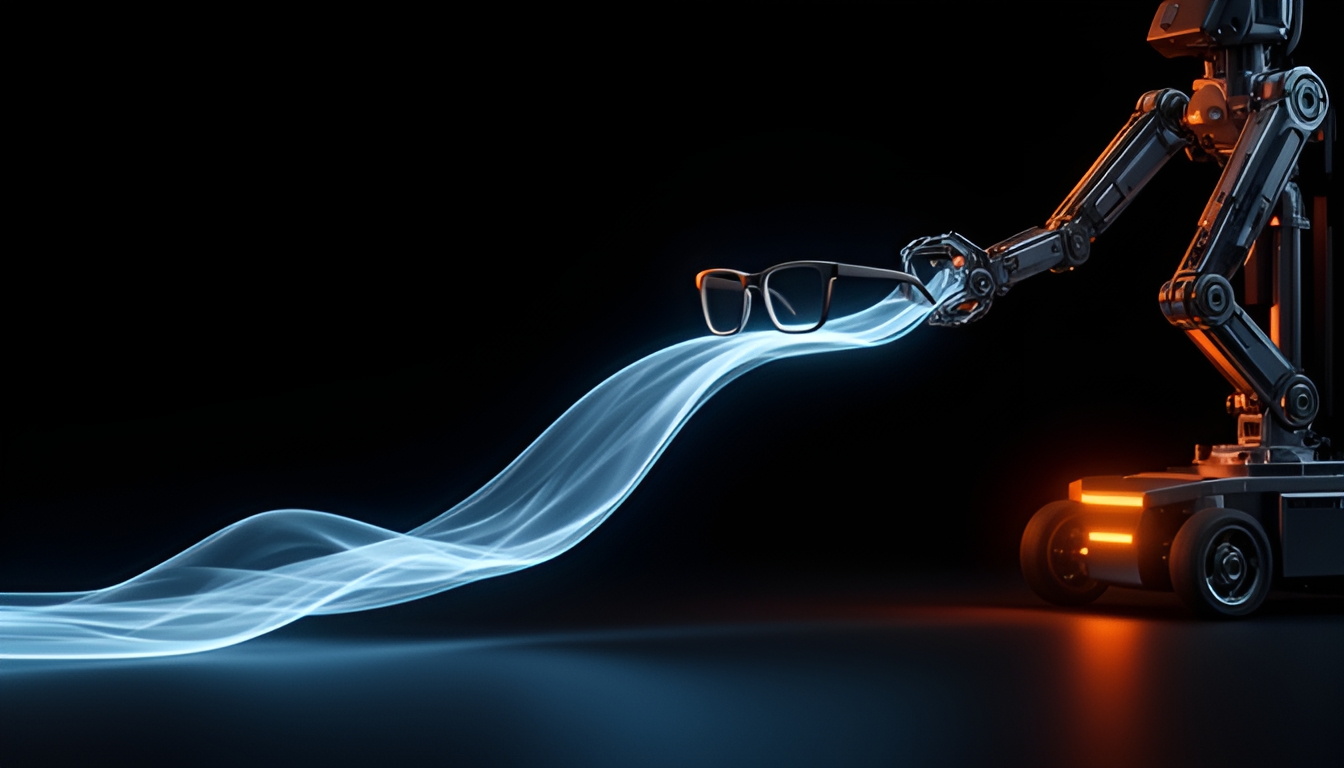
MoCaP Turns Passive Human Video Into Robot Guidance With No Teleoperation at All. It Grasped 80% of the Time on Two Real Tasks Where Both Tested Baselines Scored 0%.
MoCaP (arXiv:2610.20998, New York University with Fudan University and NYU Shanghai, submitted 14 October 2026) extracts spatial memory and human approach direction from ordinary Aria-glasses video, no demonstration or teleoperation required, and feeds it to a GPT-5.6 code-as-policy agent. On a real mobile manipulator it grasps a box and a can 80% of the time each; both tested baselines, run through the same robot and time budget, grasp neither successfully.
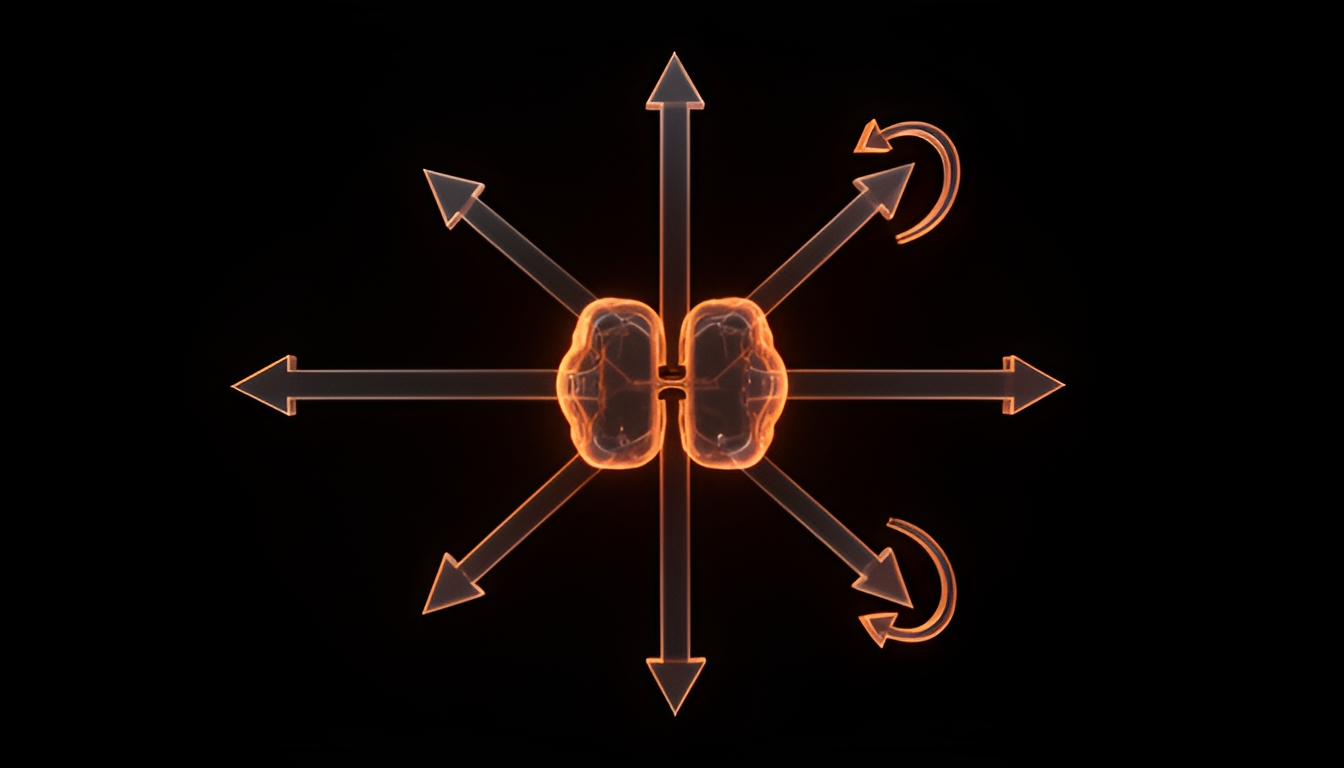
ForceBench Tested Six Ways to Feed Wrist Force Into One VLA Backbone. Real-World Success Rose From 40% to 63%, But Only One Design Won Every Task.
ForceBench (arXiv:2610.19604, PKU-PI Lab at Peking University with UC Berkeley, NUS and ePyBot Intelligence, 14 October 2026) runs eight simulated tasks and five real tasks to compare six ways of feeding a six-axis wrist force signal into a shared pi0.5 backbone. Prompt Fusion and Dual-Path Fusion both lift mean real-world success from a 40.00% no-force baseline to 63.00%, but only Prompt Fusion gains on every task, while Dual-Path Fusion loses 30 points on one of the five.
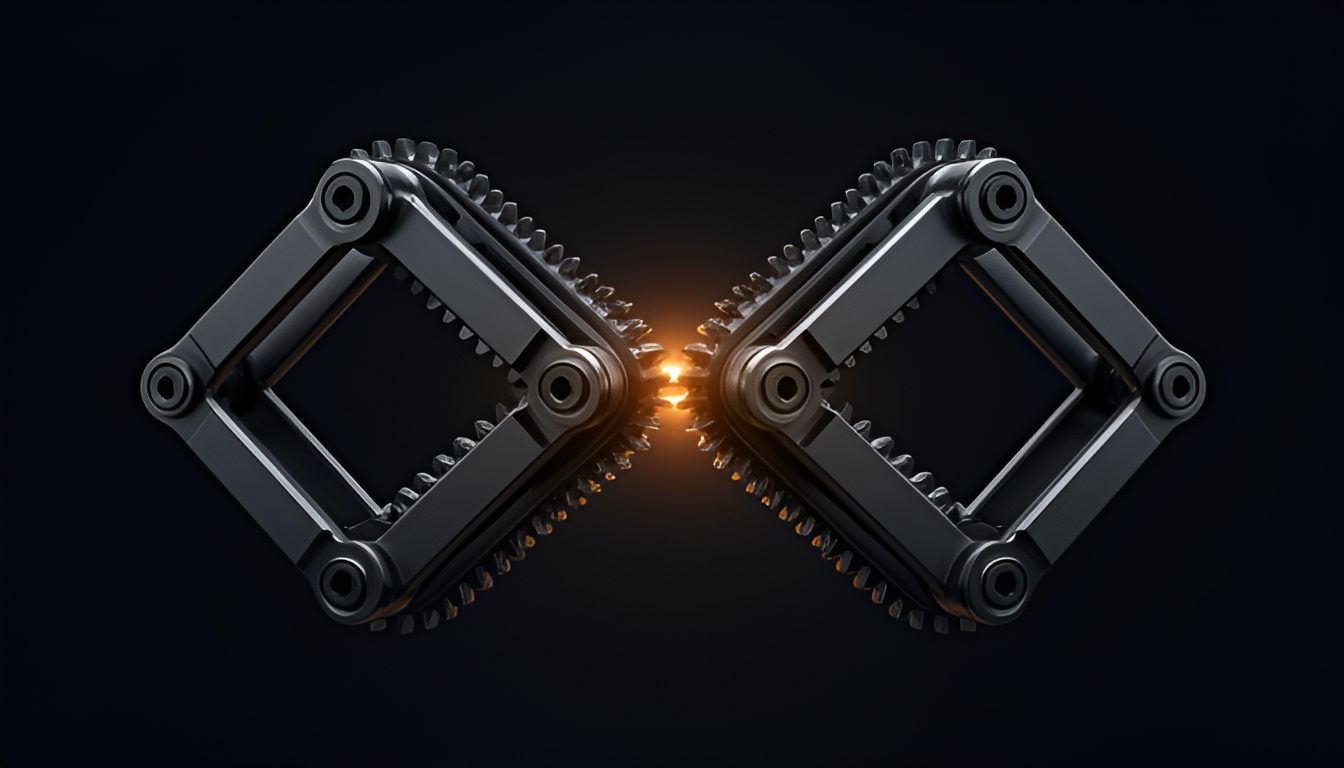
FOMI Transmits Real Object Force to a Robot-Free Data Collector's Hand With No Force Sensor Anywhere in the Device. Collection Efficiency Rose 29%, Completion Rose From 64.6% to 86.6%, and the Force Is Never Recorded.
FOMI (arXiv:2610.19839, HKUST, HKU, Robbyant and SUSTech, 14 October 2026) is a scissor-shaped handheld interface whose parallelogram linkage carries the gripper's own contact force straight to the operator's hand, with no force sensor and no logged force value. Across four contact-rich tasks it collects 17.8 successful demonstrations per 10 minutes against 13.8 for the best existing robot-free interface, and its own force-ratio validation measured only two points, one of which falls outside its own claimed range.
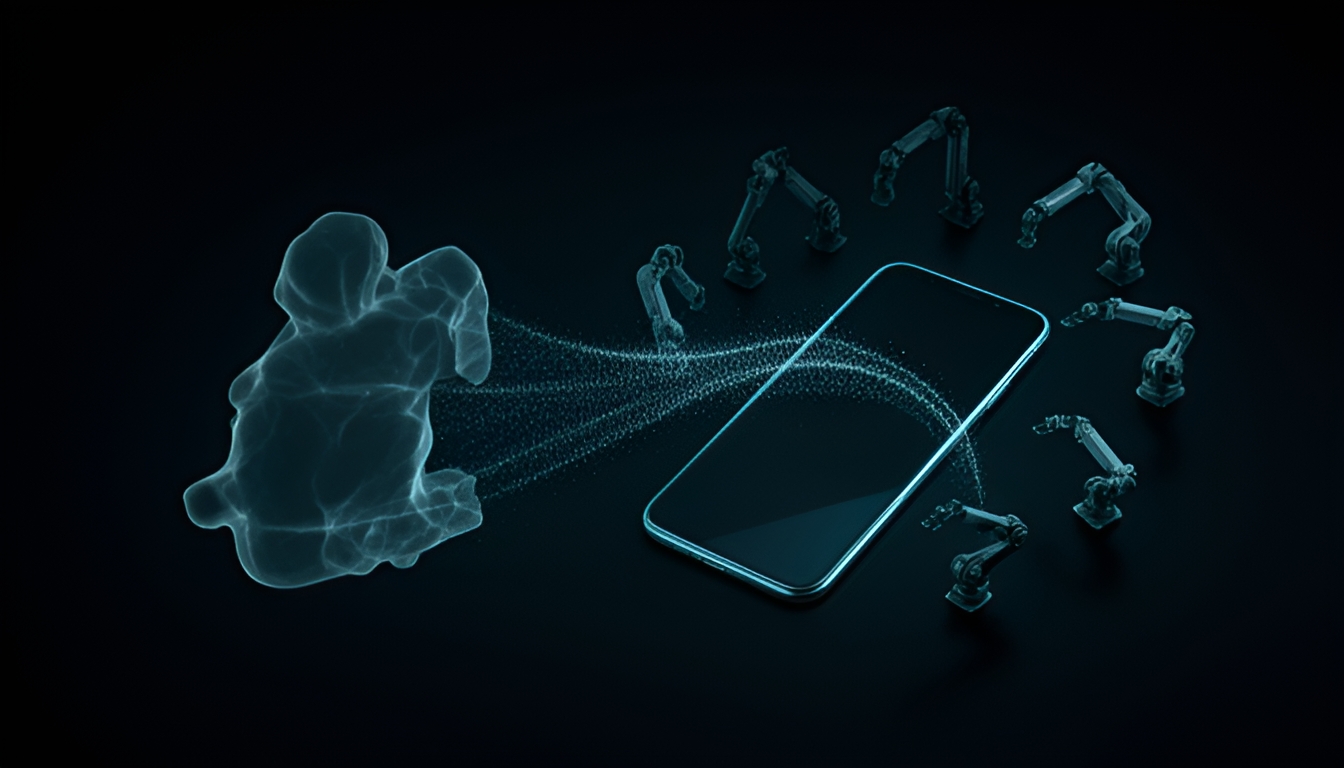
A Benchmark Retargets the Object a Phone Video Captured, Not the Hand That Moved It, Onto 8 Robots. 157 Robot-Episode Pairs Score 31.2% Pass, 52.2% Fail, 14.0% Refused Before Any Motion Ran.
A single-author benchmark (arXiv:2610.20351, no institutional affiliation listed, 14 October 2026) turns a phone-recorded human demonstration into a body-free record of the object's own motion, then checks whether 8 robots across 4 body classes can reproduce that object path. Across 157 robot-episode pairs: 31.2% pass, 52.2% fail, 14.0% are refused before any motion runs, and 2.5% are unauditable. No policy has yet been trained on the resulting record.
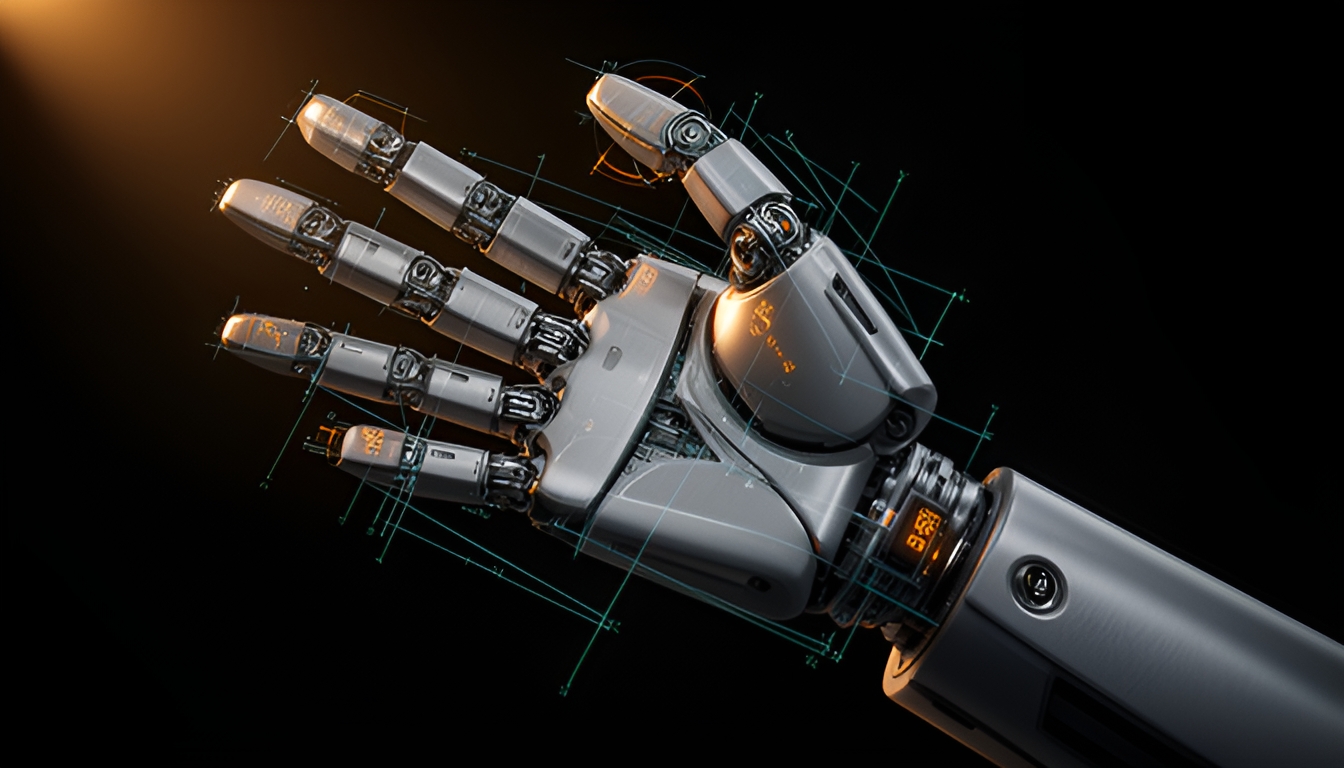
PACT Redesigned a Robot Hand Around Human Grasp Data Instead of the Other Way Around. Retargeting Error Fell from 12.82mm to 3.90mm, and Grasping Success Rose from 64% to 86% on the Same 50 Trials.
PACT (arXiv:2610.18443, Waseda University, 13 October 2026, submitted to ICRA 2027) optimizes a 17-servo hand's geometry jointly with the retargeter that maps human grasps onto it. Against the 16-servo LEAP Hand, the paired design cut all-keypoint RMSE from 12.82mm to 3.90mm, lifted YCB grasping success from 64% to 86%, and doubled payload under a matched torque cap.

A VLA Pretraining Benchmark Tagged 5,000 Demonstrations by How Well Each One Progresses Toward the Task. Tagging Helped SmolVLA by 73.8% and pi0.5 by 1.0% in One Run. Three-Seed Replication Put SmolVLA's Range at -22% to +69%.
AXIS-Bench (arXiv:2610.18869, Georgia Tech, Axis Robotics and eight other institutions, 13 October 2026) tests whether weighting, filtering or conditioning on demonstration quality improves VLA pretraining across three backbones and 24 tasks. The best method and label granularity flips by model, and three-seed replication shows the single biggest reported gain is also the noisiest. A real-robot test of the underlying approach still raised success from 9.6% to 31.7%.
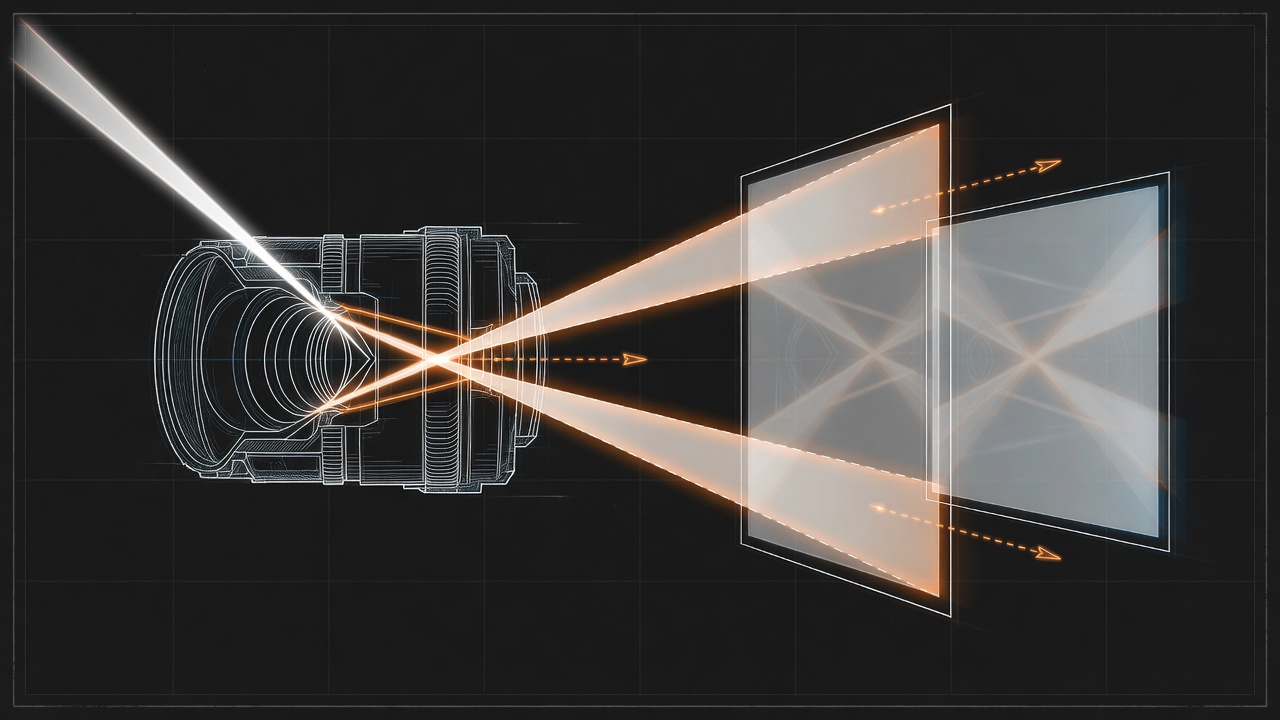
StereoEngine Made Stereo Training Pairs Without a Stereo Camera. On Zero Real Demonstrations It Beat a Point-Cloud Policy That Scored 0 of 20 on Every Task.
StereoEngine (arXiv:2610.12734, 8 October 2026, USC) synthesizes stereo image pairs for bimanual manipulation from monocular video or simulation alone. With zero real demonstrations, a policy conditioned on its synthetic pairs won 11 to 15 of 20 trials across three tasks where the simulated point-cloud comparison won 0 of 20 on every one. Mid-training a separate real-data policy on 3,469 lifted episodes raised pooled success from 60.0% to 83.3%.
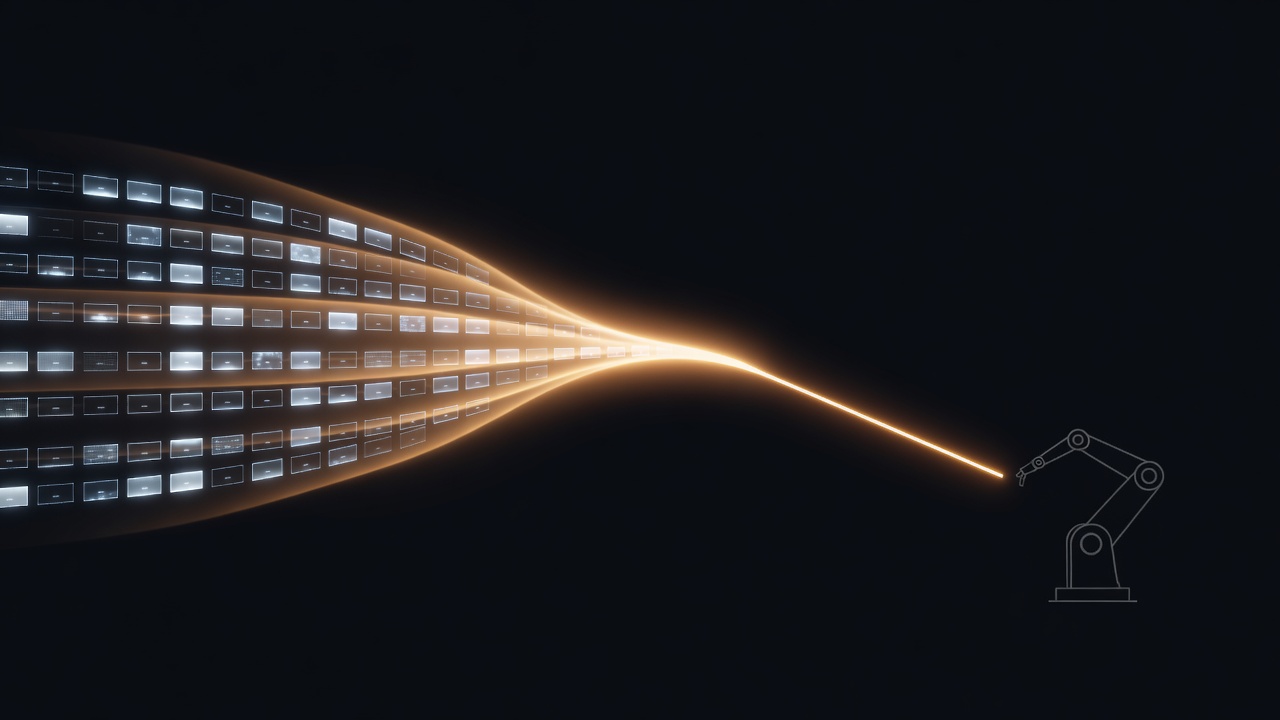
LAPT-Scale Pretrained on 5,000 Hours of Egocentric Video and Hit 85% Real-Robot Success. Its Hand-Pose Baseline Collapsed Back to 55% at the Same Scale.
LAPT-Scale (arXiv:2610.13732, accepted CoRL 2026, 9 October 2026) pretrains a VLA policy's latent-action model on human video before any robot data. Scaling that pretraining to 5,000 hours lifted real-robot success from 55.0% to 85.0%. A baseline that reads supervision straight off tracked hand poses rose to 75.0% at 3,000 hours, then fell back to 55.0%, the zero-hour score, at 5,000.
VioLA Trained a Humanoid on a Pool That Is 93.2% Human Frames. Against Its Own Robot-Only Control It Won Locomotion 30 to 24 and Lost Manipulation 31 to 33.
VioLA (arXiv:2610.12435, 8 October 2026, Vesoma, ETH Zurich, MPI-IS, Tubingen) makes human recordings supervise a Unitree G1 policy by predicting SONIC motion latents. Its headline beats released GR00T N1.7 100% to 16.7%, but the same model trained only on robot data scored 24/30 locomotion and 33/35 manipulation. The human data, 727.84 hours of Lightwheel's EgoStandard under a no-resale licence, bought bending, not grasping.
Robot World Models Rated 79% of Verified Failures as Success. 140 Failures Cut From Successful Demos Brought That to 47%; 140 of the Policy's Own Failures Brought It to 67%.
CureWM (arXiv:2610.09134, 6 October 2026) shows released Cosmos Policy and Ctrl-World checkpoints predicting success for actions that verifiably fail, and repairs them with data alone. Near-miss failures made by perturbing successful demos and labelled by execution beat the policy's own failures at matched counts, 0.124 against 0.014 in value gap. We re-derived Table 1 from the released probe files: the repair sits in three of six failure types.
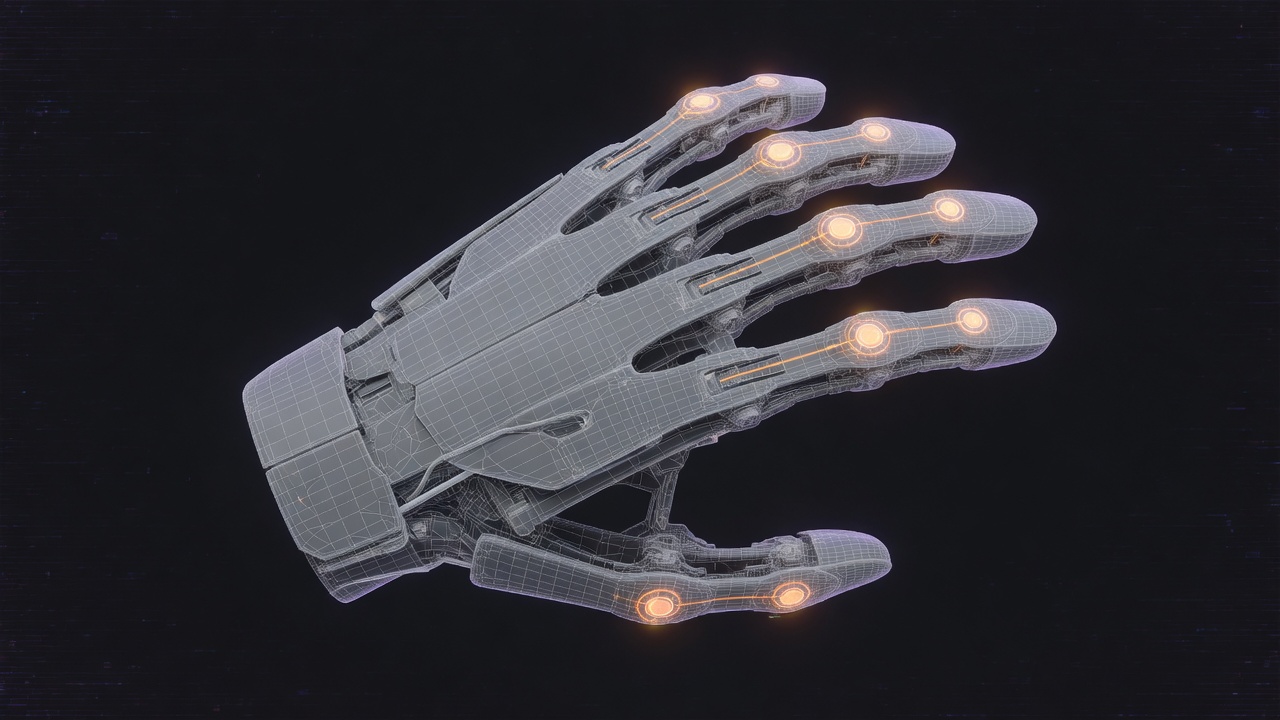
A Lighter, Flush-Tipped Exoskeleton Raised Dexterous Policy Success From 31 of 80 to 47 of 80 at the Same Demo Count. No Single Task Comparison Was Significant on Its Own.
A University of Florida study (arXiv:2610.08870, 6 October 2026) held the XHand mapping, encoders and tactile modules fixed and changed only the hand side of a DexUMI-family exoskeleton. Policies trained on demonstrations from the revised rig won all four matched comparisons, 47 of 80 pooled against 31, and the 5.5 mm fingertip overhang on the old rig made a thin-handle task uncollectable. Each cell is one policy and 20 rollouts.
EgoLAP: Egocentric Human Data Added 9.2 Points to a Robot Policy Without Reasoning Labels and 19.9 With Them. In the Second Comparison, the Share of Labelled Samples Also Doubled.
EgoLAP (arXiv:2610.08726, Princeton, Toyota Research Institute and Physical Intelligence) co-trains a VLA on robot data and EgoVerse human video through language actions and Gemini-written motion rationales. Human data lifted zero-shot simulation success 7.2 to 16.4% and, with rationales, 18.4 to 38.3%. Our arithmetic on its mixture: the rationale share is 16% without human data and 32% with it, all human rationales come from the MECKA subset, and no real-robot arm without human data was run.
BiGym 2.0: Coding Agents Shown One Human Demo Averaged 61% and 65% on Nine Humanoid Tasks, Against 68% for ACT Trained on 60. Picking the Best of Three Agent Sessions Per Task Moves Opus From 61% to 81%.
BiGym 2.0 (arXiv:2610.07594, Imperial College London, 6 October 2026) runs learned policies and cold-start coding agents through one frozen G1 whole-body controller. Agents that saw one demonstration matched imitation learning on the nine-task mean and beat it on bimanual reaching, but lost plate transport and cup loading by 40 to 70 points, swung up to 100 points between sessions, and in Opus's case used arm offsets recalled from Unitree's public URDF. The 1,200-demo repository returned 404 on 7 October.
AutodidactWAM: Actions Read From Cosmos 3's Own Generated Video Completed 25 of 60 Real Pick-and-Place Trials. The Action Branch Distilled From Them Completed 12, Against 4 Before, p = 0.058.
AutodidactWAM (arXiv:2610.08119, Skoltech, 6 October 2026) fixes a G1-adapted Cosmos 3 world-action model by reading hand poses off its own generated video and preferring those over its native actions, with no new teleoperation. Converted to counts, pre-grasp rose from 10 to 39 of 60, but full pick-and-place rose from 4 to 12, half of the 25 the video-extracted actions achieved, and plain Flow-DPO scored 0 at 1.000 validation accuracy. The starting adaptation used an in-house teleoperation corpus of unreported size.
VOMMI's $100-200 Portable Rig: The Portable-Trained Policy Won 35 of 60 Real Trials Against 30 for OpenPI 0.5, p = 0.46. It Lost the Cabinet Task 10 to 13, and Its Wrist Rotation Error Was 22% Worse Than a Robot-Trained Policy's.
VOMMI (arXiv:2610.08220, ZJU, Shanghai AI Lab, DeepRobotics and others, 6 October 2026) trains a mobile-manipulation VLA from a two-fisheye rig a person carries. Its headline is +8.3 points over OpenPI 0.5 and 18.2% lower base-velocity error than robot-collected data. As counts the real-robot gain is 35 vs 30 of 60, the cabinet task went the other way, and the same open-loop table shows end-effector rotation error 21.8% higher than the robot-trained policy. The paper says the gains are in navigation, not manipulation, and its numbers agree.
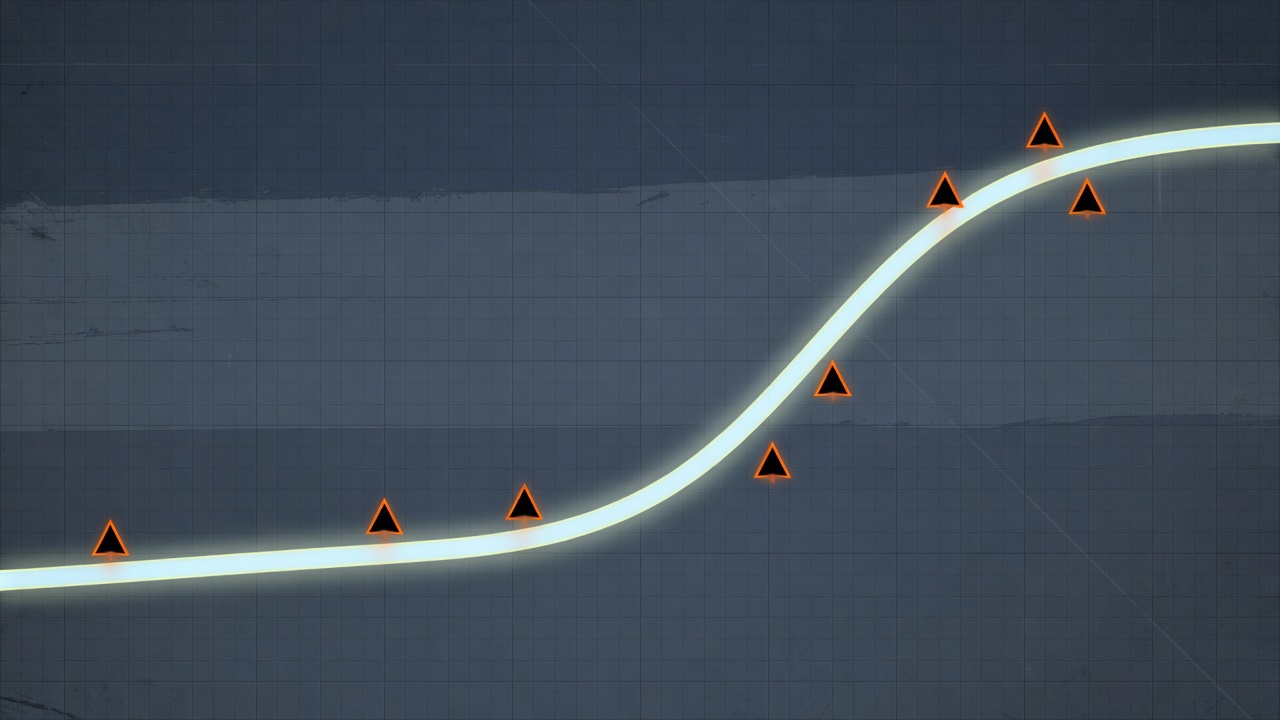
Reward-DAgger's Return on Human Effort Fell Below the Score of Never Asking for Help in 16 of 36 Real-Robot Cells. Its Final-Round Lead Over ThriftyDAgger Was 51 to 42 of 80 Rollouts, p = 0.20.
Reward-DAgger (arXiv:2610.04054, 2 October 2026, USC) triggers human takeover from a general-purpose progress reward model and reports the best return on human effort (ROHE) in most settings. ROHE gives a gate that never fires a score equal to the policy's own success rate. In the paper's Table III, 16 of 36 real-robot ROHE values sit below that floor, including all 9 on the Remove task. Final-round autonomous success summed over four tasks is 51 of 80 against 42 and 44 for the baselines, p = 0.20 and 0.33.
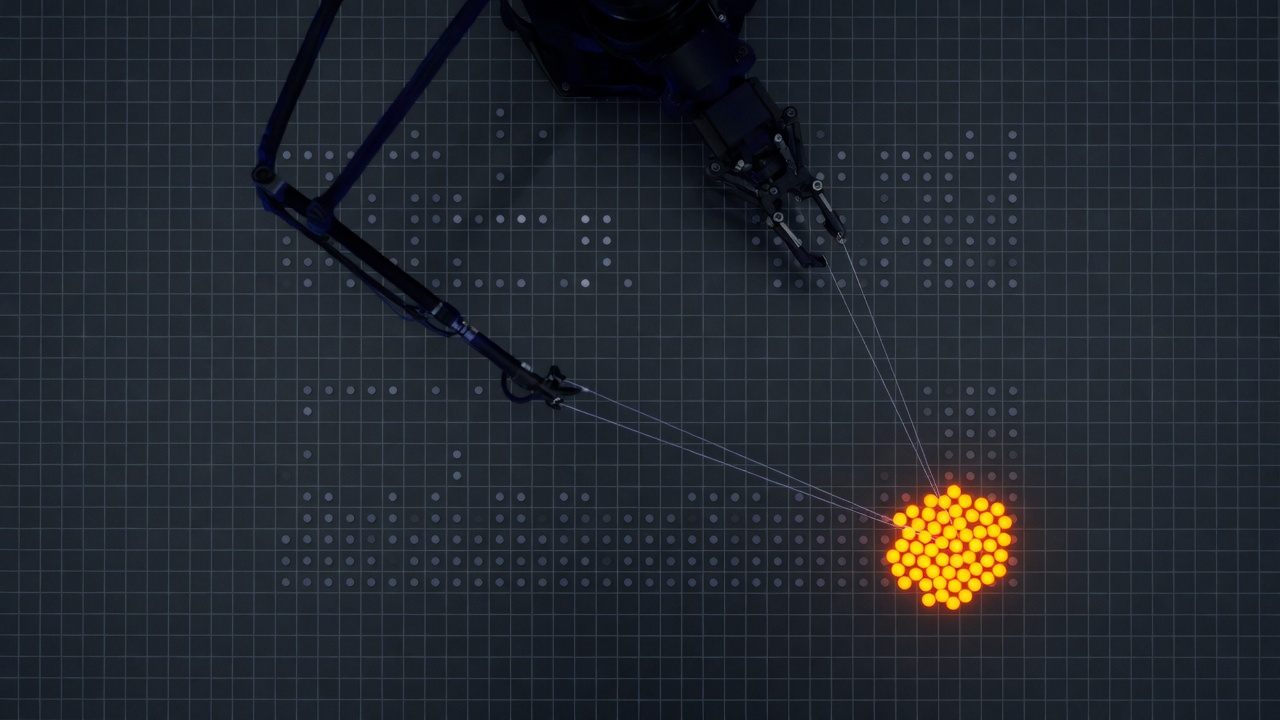
Mulligan: Picking Where Each Episode Starts Took Insert Marker From 21 to 32 of 50 at the Same Episode Count. The Value Critic Added 6 More, p = 0.146, and the Matched Budget Carried 19% More Teleoperation.
Stanford's Mulligan (arXiv:2610.05882, 5 October 2026) restarts human-in-the-loop collection at the poses where the last policy failed. Its headline, 10 to 34 points over HG-DAgger on three real Franka tasks, stacks two changes. The paper's own Table 1 splits them: start-state selection gave 22, 8 and 10 points, the value critic 12, 2 and 6, none of the critic steps significant alone. Episode counts were matched, operator time was not: counterfactual demos added 19% and 28% more human frames. We re-derived the Insert Marker counts from the MIT-licensed release.
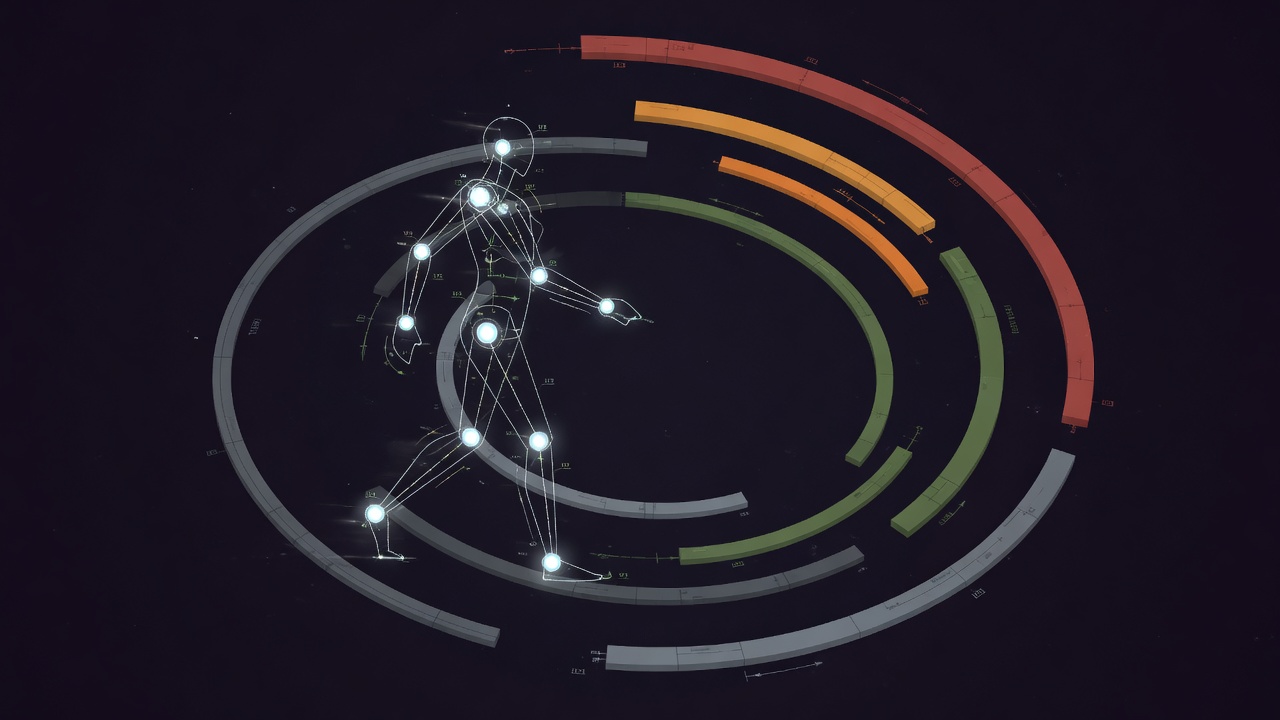
WB-WAM: 22 Hours of PICO Human Motion Let 30 Robot Demos Match 100, at 59 vs 52 of 80. 61.2% of Its 1,880-Hour Pretraining Mix Is Licensed Non-Commercial Only.
WB-WAM (arXiv:2609.34199, Tsinghua IIIS, Xiong'an Institute of AI and Melbourne, v3 2 October 2026) mid-trains a humanoid world action model on 22 hours of PICO egocentric human motion. With 30 robot demos per task it scored 59 of 80 trials against 52 of 80 for 100 robot demos, a tie at p = 0.30, and 39 of 80 without the human stage. Its 1,880.2-hour pretraining set is 61.2% non-commercial sources by stated licence; v3 added the attribution line BONES-SEED's licence requires.
AdaTempo Lifted Real-Robot Success From 58.3% to 77.8% While Running 2x Faster. 27 of the 35 Extra Successes Came From One Conveyor Task, and the Cross-Demo Consensus Added 1.7 Points in Simulation.
AdaTempo (arXiv:2610.02706, 2 October 2026, Fudan and Tsinghua) resamples teleoperated demonstrations to a learned phase-wise speed and trains ACT on the result. Real-robot success rose from 105 to 140 of 180 trials at 2.02x faster completion. One task, Conveyor Fast, went from 2 to 29 of 30; the other five moved from 103 to 111 of 150. Speed bounds were tuned per task on validation rollouts, and the paper's central idea, a consensus tempo across demos, changed simulated success by 1.67 and 4.67 points.
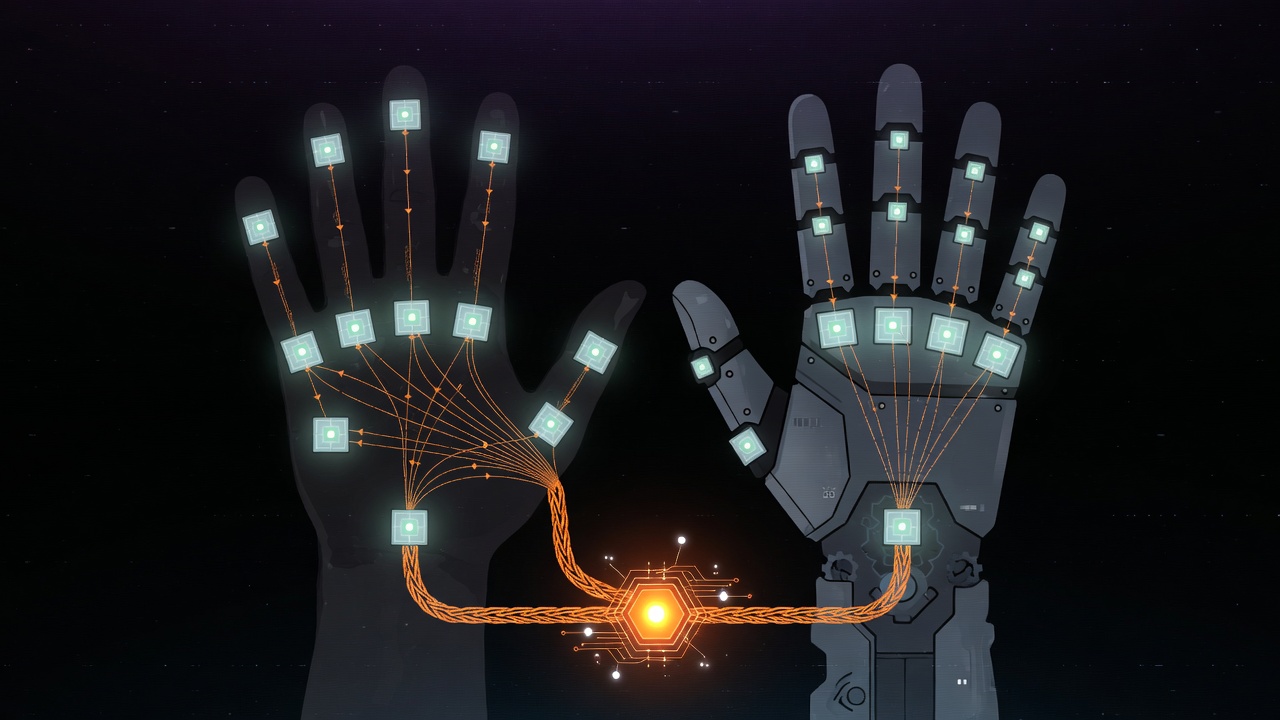
SoTa's Human Tactile Demos Doubled Success to 45.9%. Against the Matched Robot-Only Recipe They Added 16.9 Points, and With Touch Removed From the Auxiliary Loss the Same Demos Scored 8.1%.
SoTa (arXiv:2610.02338, 1 October 2026) is a sub-$10 capacitive skin with the same 202-taxel layout on a human glove and a robot hand. Its headline, 22.8% to 45.9% when 150 human demos per task are added, compares against a robot-only policy trained with a simpler recipe. The matched robot-only two-stage control scored 29.1%, so the human demos account for 16.9 points. Dropping touch from the auxiliary objective cut the same setup to 8.1%. One seed, 40 trials per condition, code and data not yet released.
DITTO-X: Tong Demos From a Passive Manus Glove Trained a 13% Policy, Force-Feedback Demos 63%. The Claim That Glove Corrections Made Policies Worse Rests on One and Three Rollouts.
Stanford and Columbia (arXiv:2610.00781, 30 September 2026) compared a force-feedback hand exoskeleton with the Manus Pro tracking glove for dexterous data collection. On tool use the gap is large, 4 against 19 successes of 30; on battery insertion it is 11 against 12. The reported decline of glove-trained policies after DAgger is 1 rollout on tong and 3 on raspberry. Expert usable-trajectory rates, 93.9% against 71.7%, are the cost number. The 1,888-episode dataset is announced but not downloadable.
Alibaba's λ0: 500 Hours of Wearable Whole-Body Human Data Took a Humanoid From 9 to 25 Successes of 40. Seven Public Egocentric Datasets Added a Gain 40 Trials Cannot Separate From Zero.
λ0 (arXiv:2610.00438, 30 September 2026, Alibaba Token Hub with Sichuan University, SII, Beihang and HKUST) trains a Unitree G1 policy in three stages. Removing the 500-hour HumanVerse-500 wearable set cut real-world success from 25 to 9 of 40; removing seven public egocentric datasets cut it to 20. The wearable stage also arrives pre-converted into the robot's action format, so the ablation cannot say whether body data or format carried the gain. Nothing is released yet.

XPENG's IronMind Loss Fell Smoothly From 250 to 10,000 Hours of Egocentric Data. Real-Robot Success Stayed at 3 to 7 of 60 Until 5,000 Hours, Then Reached 33.
XPENG Robotics (arXiv:2609.39403, 30 September 2026) pretrained a humanoid VLA on 250 to 10,000 hours of egocentric human video plus robot data. The validation loss improved log-linearly, but on the IRON-R01 robot twenty times more data added four successes and the last doubling added 26. World-prior supervision improved open-loop metrics and cut robot success from 55.0% to 31.7%. Post-training used about 40,000 robot episodes, and nothing is released.
When NAVSIM's Human Driver Fails Lane Keeping, the GTRS Label File Marks All 16,384 Candidates as Passing. That Rewrites a Training Distinction on 10.9% of navtrain.
Stanford and University of Maryland researchers (arXiv:2609.33189, 27 September 2026) re-ran NVIDIA's GTRS-Dense label generator with its human-reference overwrite disabled. The rule erases a candidate ordering on 11,237 of 103,288 scenes, the released checkpoints rank lane keeping at AUC 0.71 there against 0.98 elsewhere, and the labels do not even regenerate on a Sapphire Rapids CPU.
A Glove-Trained Video World Model Kept 41% of Its Gain With Touch Switched Off. One Contact Bit per Hand Scored Worse Than No Touch at All.
Yale, Texas A&M, UCLA and UW (arXiv:2609.34286, 28 September 2026) conditioned a Wan2.2 video model on pressure-glove readings from EgoTouch. Hand-motion underestimation fell from 23% to 9% and LPIPS by 2.0%, but PSNR and SSIM favour the vision-only model, the gap rests largely on one outlier baseline run, and the 20-hour dataset has no licence.
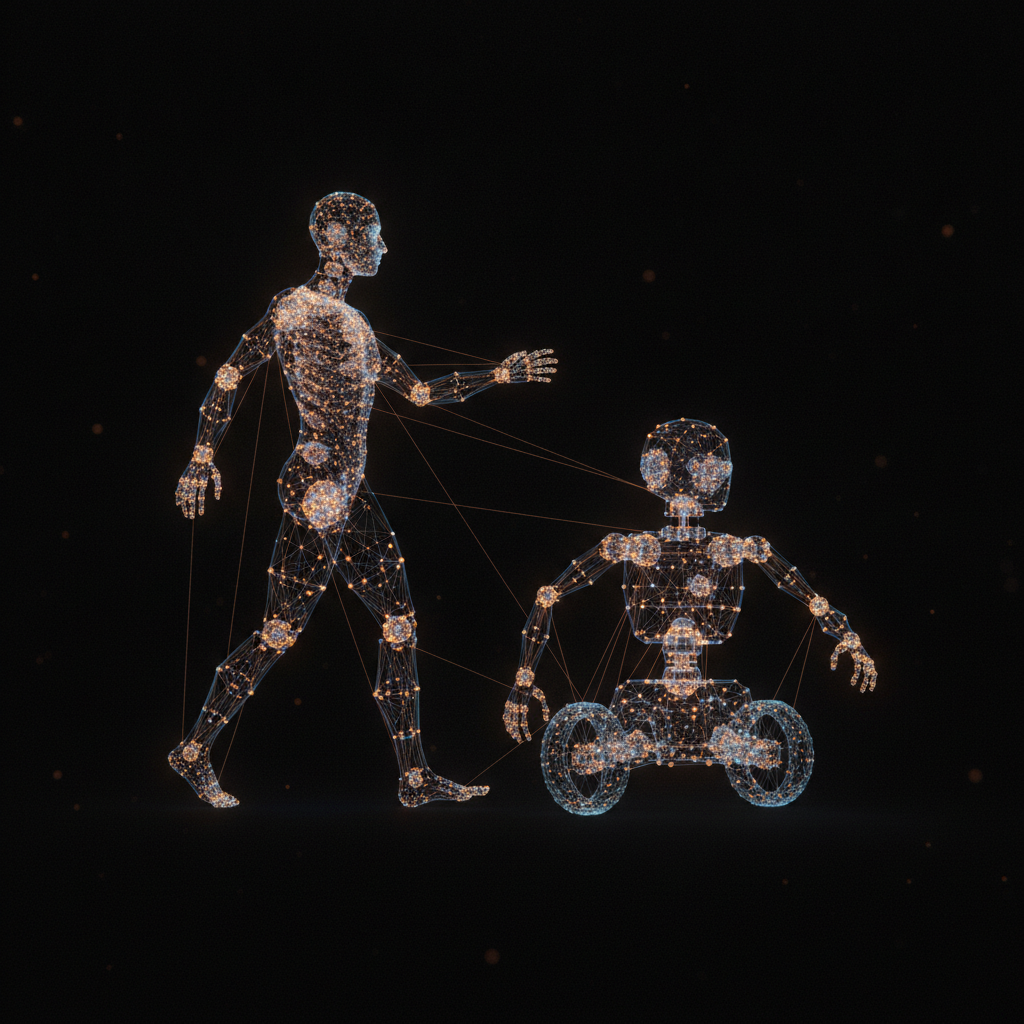
DexRoam's Headset Demos Took GR00T From 29% to 56% on a Mobile Two-Handed Robot. Mis-Timed, the Same Human Data Scored 20% Where Robot-Only Scored 50%.
HKUST, BAAI and Peking University (arXiv:2609.35761, 28 September 2026) captured whole-body human demonstrations with a Meta Quest 3 and a ZED Mini, no trackers, and co-trained VLAs on an Astribot with XHands. The gain depends on alignment: absolute poses scored 0%, skipping temporal resampling cost 24 points, zero robot demos scored 0%. The public release is 50 robot episodes of one task and no human data.
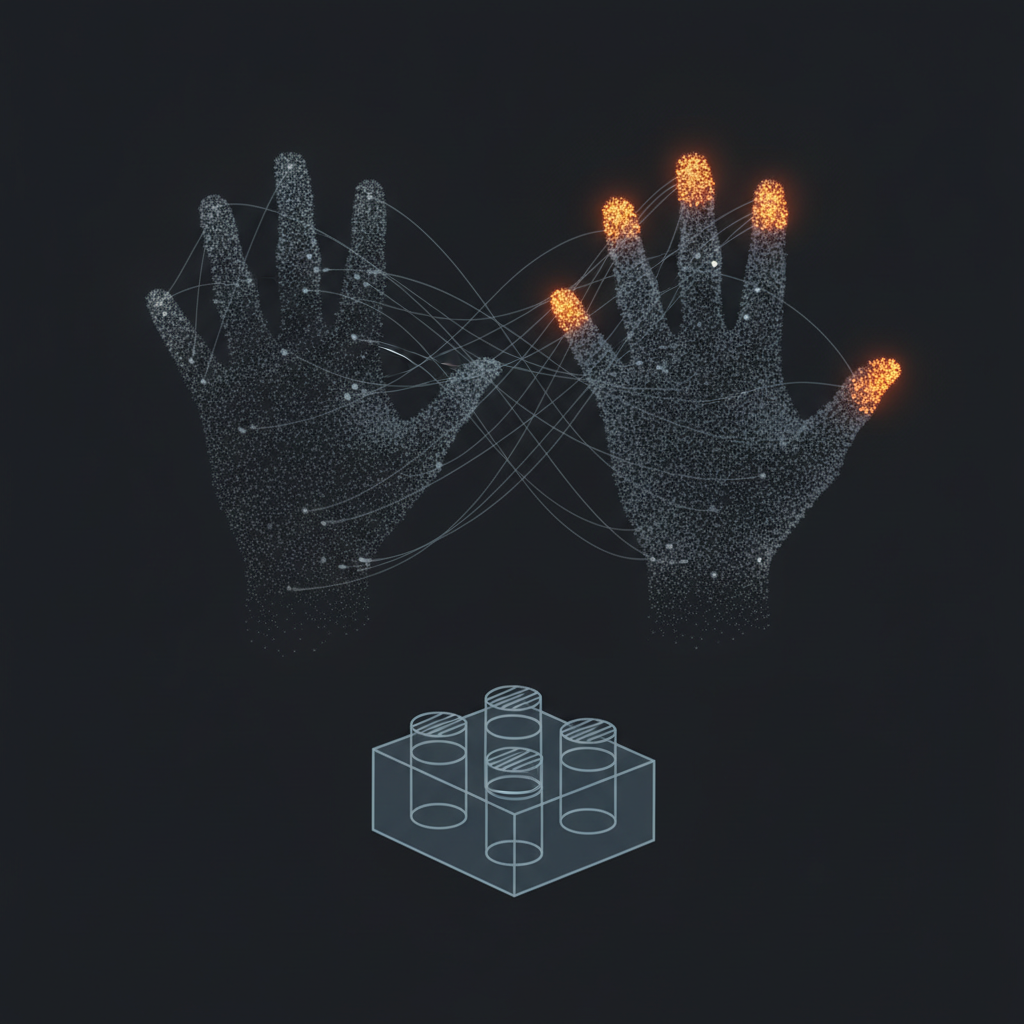
VisTacAlign Says Human Demos Help Only With Touch. Its Lego Table Has Touchless Co-Training at 70% Against 10% Robot-Only, and Touch Adding 10 More.
Stanford's VisTacAlign (arXiv:2609.30959, 25 September 2026) co-trains an ORCA Hand policy on glove demos with aligned touch. The 'only with touch' claim rests on a 20-rollout drill task where no comparison clears p = 0.2. On Lego, human demos with no tactile input at all lift success from 10% to 70% (p = 0.0002), and touch adds 10 points (p = 0.72). The visual alignment is what the data says paid.
UVTA's Model Scored 0% on 150 Robot Demos Per Task. T-Rex Scored 31% on the Same Tasks. Human Tactile Demos Only Cleared That Bar Past 500 Per Task.
SJTU, BIGAI and Sharpa Robotics (arXiv:2609.34182, 28 September 2026) co-train a Sharpa Wave hand policy on 1,000 glove demos and 150 robot demos per task and report 70% against 29% for T-Rex. Their scaling curve starts at 0% with no human data and reaches T-Rex's 31% only between 500 and 750 human demos. The scores are partial credit over 10 rollouts, and the dataset is not public.
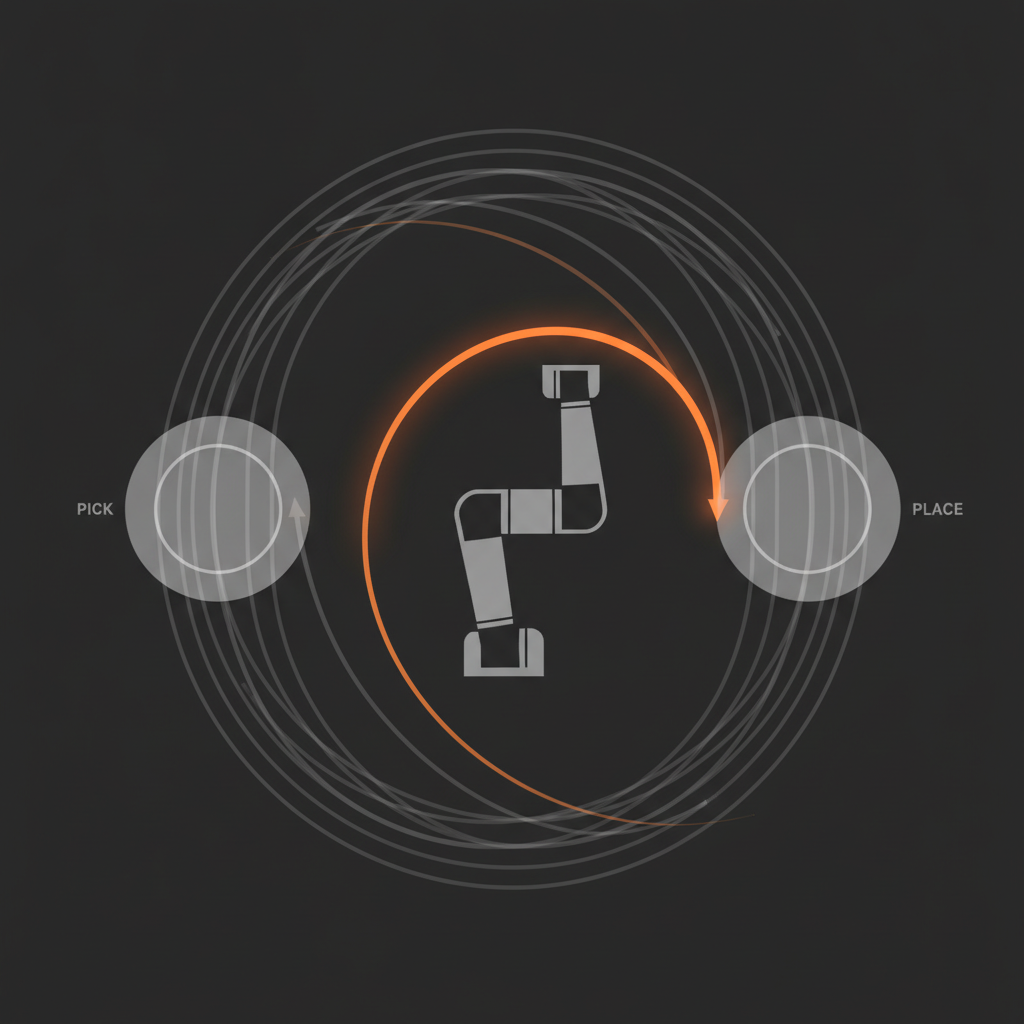
TANDEM Got 2.9x More Demos per Teleoperator Second. Demo for Demo, Full Teleoperation Trained a Policy Just as Well.
TANDEM (Stanford and Princeton, arXiv:2609.28314, 23 September 2026) lets a planner do the pick-and-place and hands only the hard stage to a human, collecting 40 demonstrations in 524 s of teleoperation against 14. At about 20 demonstrations each, the two sets trained pi0.5-DROID to 45% and 50%. The gain is throughput per counted second, and the count leaves out the time the operator waits.
Res-HIL Beat a 100-Demo Policy Starting From 20 Demos. Counted in Operator Minutes, the Win Was Cheaper on Three Tasks and Dearer on Two.
Siemens and TUM's Res-HIL (arXiv:2609.30023, 24 September 2026) trains a residual on a frozen 20-demo ACT policy while a human overrides it, and beats ACT on 100 demos on all five UR5 tasks. The online phase needs an operator watching for up to 45 minutes. Counted that way, it cost fewer operator minutes than the 100 demos on three tasks and more on two.
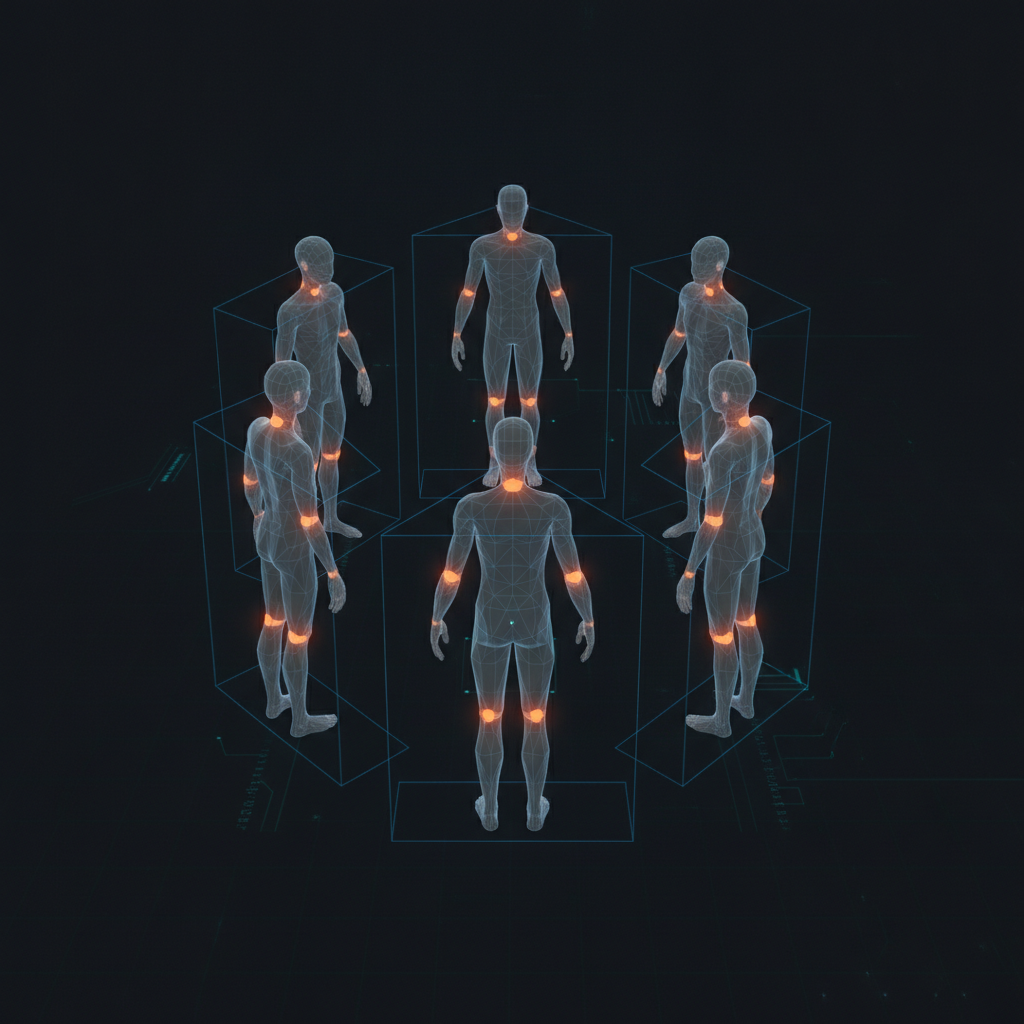
Ego-Exo4D-HM Fits 104.59 Hours of SMPL-H Motion to Ego-Exo4D. Three Days After the Paper, the Files Were Not Public, and the Parent Licence Names No Robot Use.
UT Austin's Ego-Exo4D-HM (arXiv:2609.30187, 24 September 2026) reconstructs full-body and hand motion for 2,649 of Ego-Exo4D's 5,035 takes, at 56.21 mm body error. On 27 September the linked code repository returned 404 and the Hugging Face dataset 401. Once it appears, what a robotics team may do with it is set by Ego-Exo4D's licence, which permits commercial use for activity understanding, 3D reconstruction and VR or AR, and does not mention robot control.
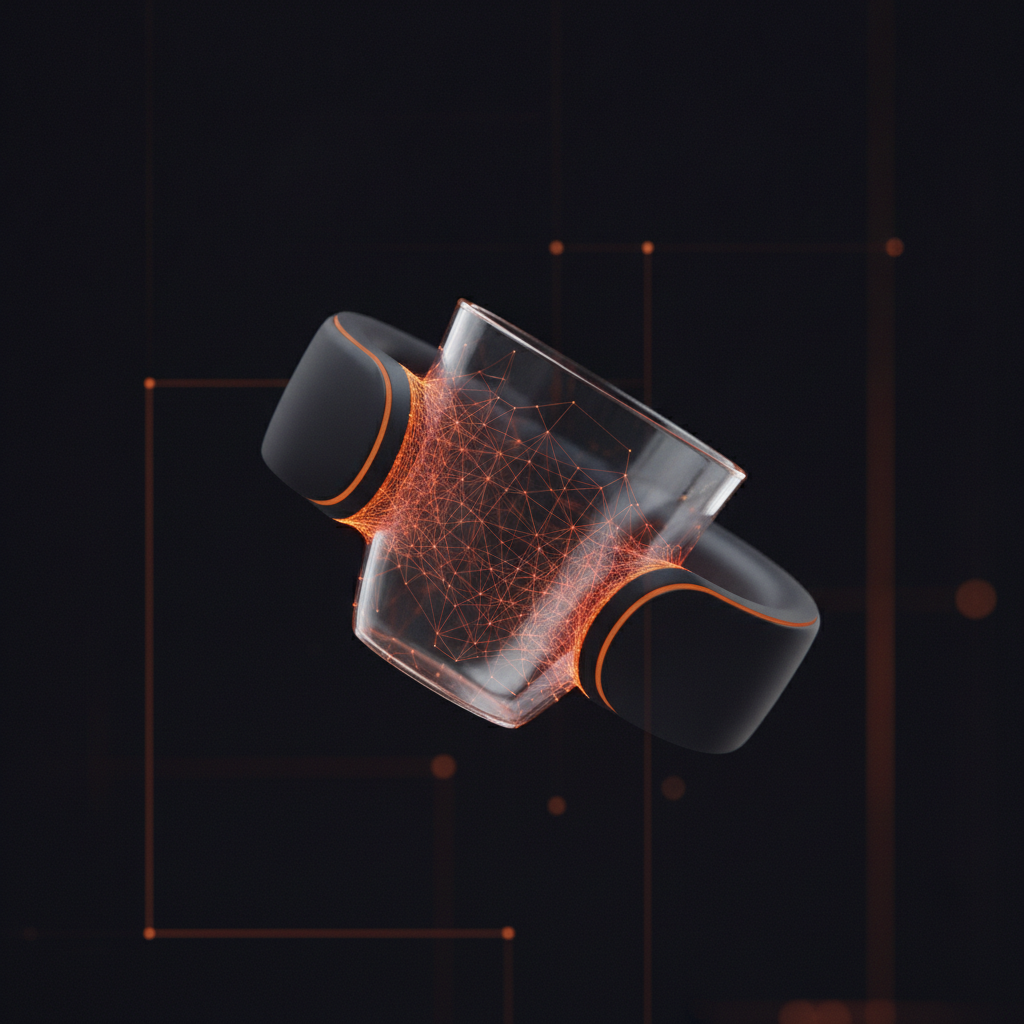
A 25 Hz Tactile Reflex Collected 30 Demos That Beat the Best 30 of 100 Hand-Gripped Ones, 95% to 15% Stable
HKUST (Guangzhou) let a tactile controller, not the operator, close the gripper during teleoperated collection on a 3.5 g cup. The touch-free policy trained on those demos held 95% of grasps; the one trained on the best manual demos held 15%. The catch is what the manual operator was given to grip with: buttons. What that says about where human force belongs in a dataset is the useful part.
A Clip-On Logger on a Surgeon's Own Instruments Trained a Policy That Cut in 3 of 4 Live Rabbits. Offline Error Picked the Wrong Designs.
Seoul National University Hospital and Rosota recorded 849 in-vivo demonstrations from hand-held laparoscopic instruments, with no robot in the loop, and deployed the resulting policy with electrosurgery armed. The same paper shows validation error improving while simulated trocar violations climbed from 6% to 69%. For anyone buying demonstration data, that inversion is the finding: accept data on channel timing and closed-loop results, not on how well a model fits it.
A Surgeon Dataset's GR00T Fine-Tune Lost to 'Predict No Motion' in All 11 Held-Out Arms
HumynexSurg-1 is a commercial liposuction dataset from Humynex Robotics: 14 narrated episodes with hand force, suction pressure and RGB-D, pitched as a product for robot foundation models. Its proof of concept fine-tunes NVIDIA GR00T N1.7. The paper's own appendix shows every fine-tune scoring worse than a baseline that predicts the hand does not move. That is the most useful thing in the release, and a test any buyer of expert data should run first.
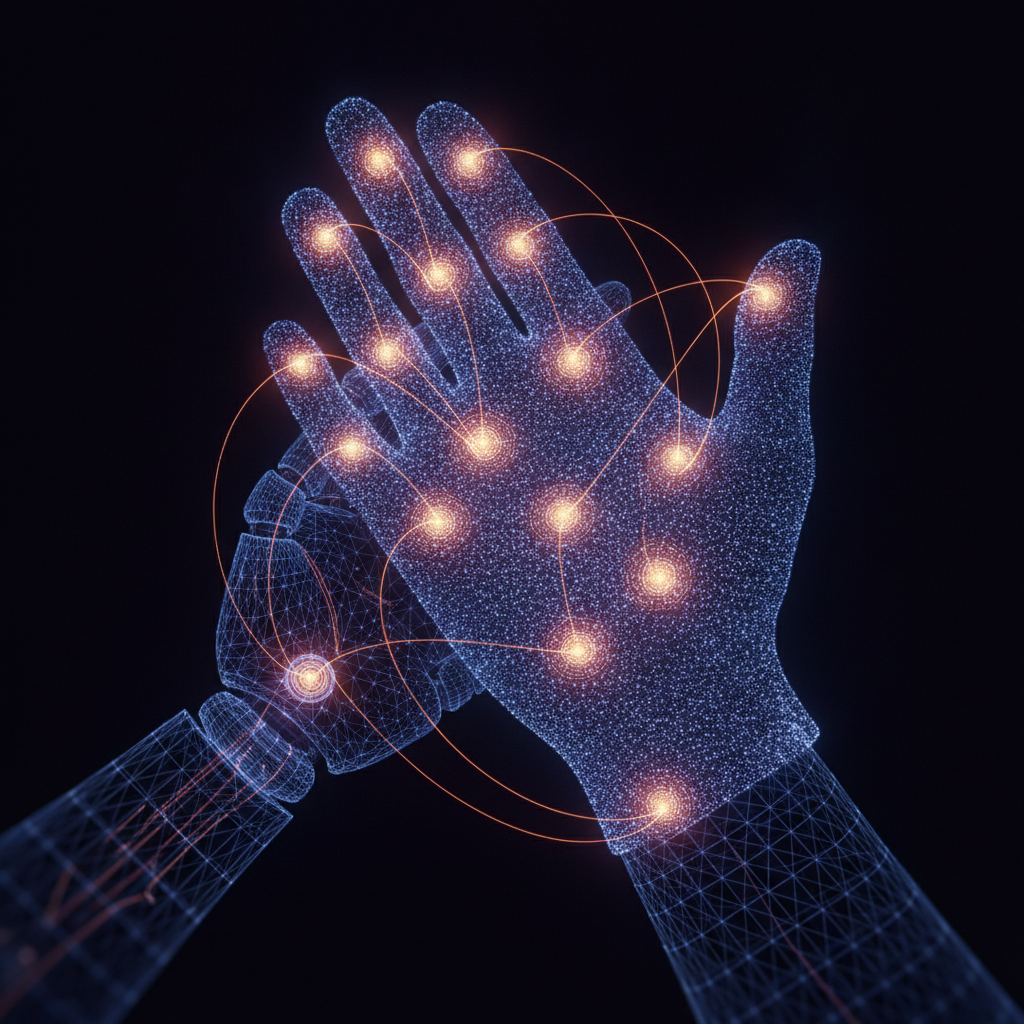
Showing the Glove Wearer the Robot's Contacts Cut Time per Usable Demo From 58.6 s to 18.2 s
Touch2Robot, from BIGAI, ShanghaiTech, Shanghai Jiao Tong and Beihang, puts a simulated robot hand's contacts in a VR headset while a person demonstrates with a tactile glove. Replay completion on a real LEAP Hand rose from 37.9% to 72.1% and collection time per replay-successful demo fell 3.2x, even though the contacts shown scored only 44% F1 against the real hand's sensors. The glove's 256 taxels were reduced to 8 bits along the way.
Human Video Traded at 4.7 Hours per Robot Hour, and 1.5 Episodes per Demo Through the Robot's Own Camera
Zeva-Ego, from Tsinghua AIR and Z-Trans AI, mid-trained a pi0.5 policy on 10,301 hours of egocentric human video and matched what 2,000 robot hours bought on RoboTwin 2.0. That is one exchange rate. The second, buried in the real-robot section, is three times better per unit and comes from 50 episodes a person recorded in front of the robot's main camera. The difference between them is what a human-data contract should be priced on.
Adding Every Human Episode Scored Five Points Below Adding None
On RoboTwin 2.0 under randomization, post-training pi-0.5 with all available egocentric human data averaged 0.29 success against 0.34 for robot data alone. Random sampling also lost. Only retrieval and per-sample weighting turned the human corpus positive, reaching 0.42. The corpus doing the work is EgoDex, and Apple releases it under CC BY-NC-ND. The selection function, not the hours, is the priced asset.
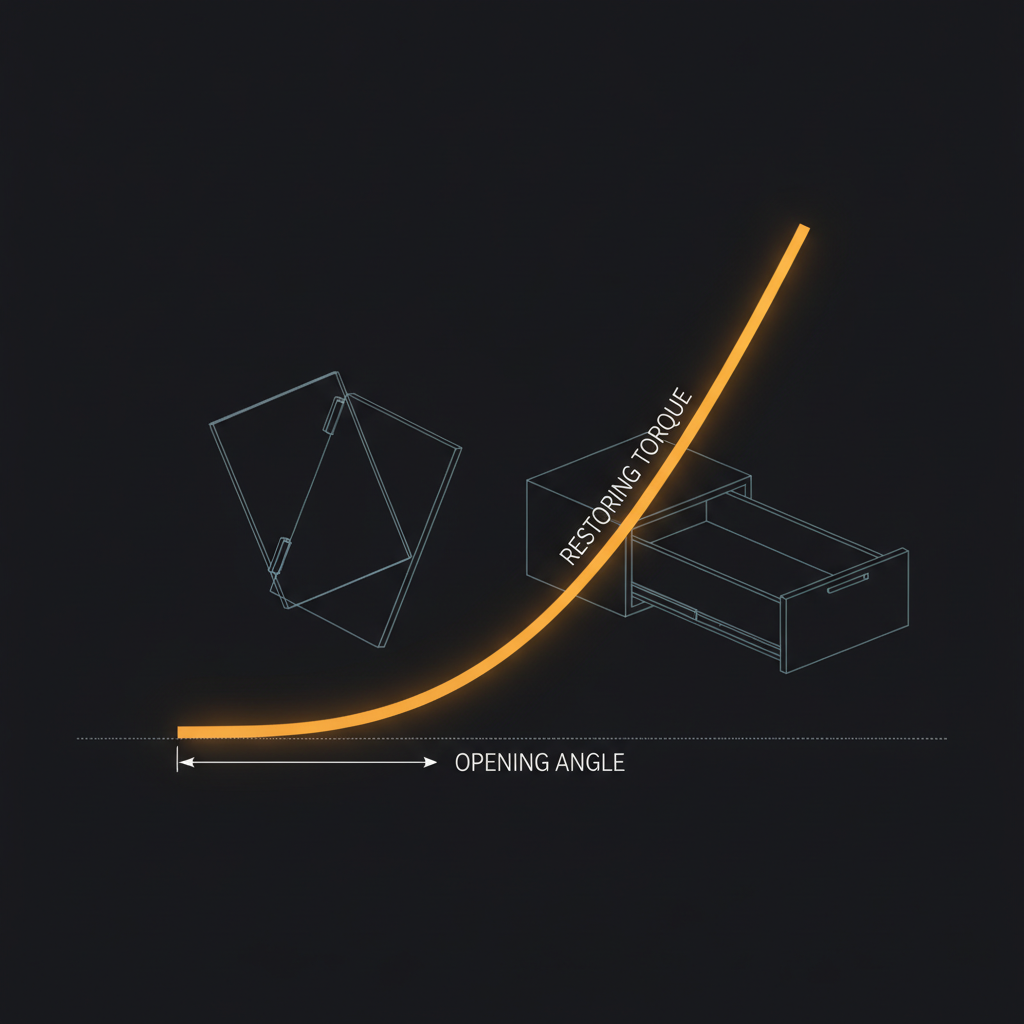
A Human Probe With a Force Sensor Beat a Language Model's Physics Guess by 27.6 Points, All of It on Three Objects
ForceTwin identifies an articulated object's inertia, friction and closing mechanism from one person probing it with a force-sensing handheld gripper. Mean goal completion across nine object-robot pairs is 87.3% against 59.7% for a vision-language prior. On the drawer and the sliding door the prior completes more often. The entire margin sits on the oven and the metal door, where both baselines stall below 5%. That is a purchasing rule for physical-interaction data, and it is narrower than the headline.
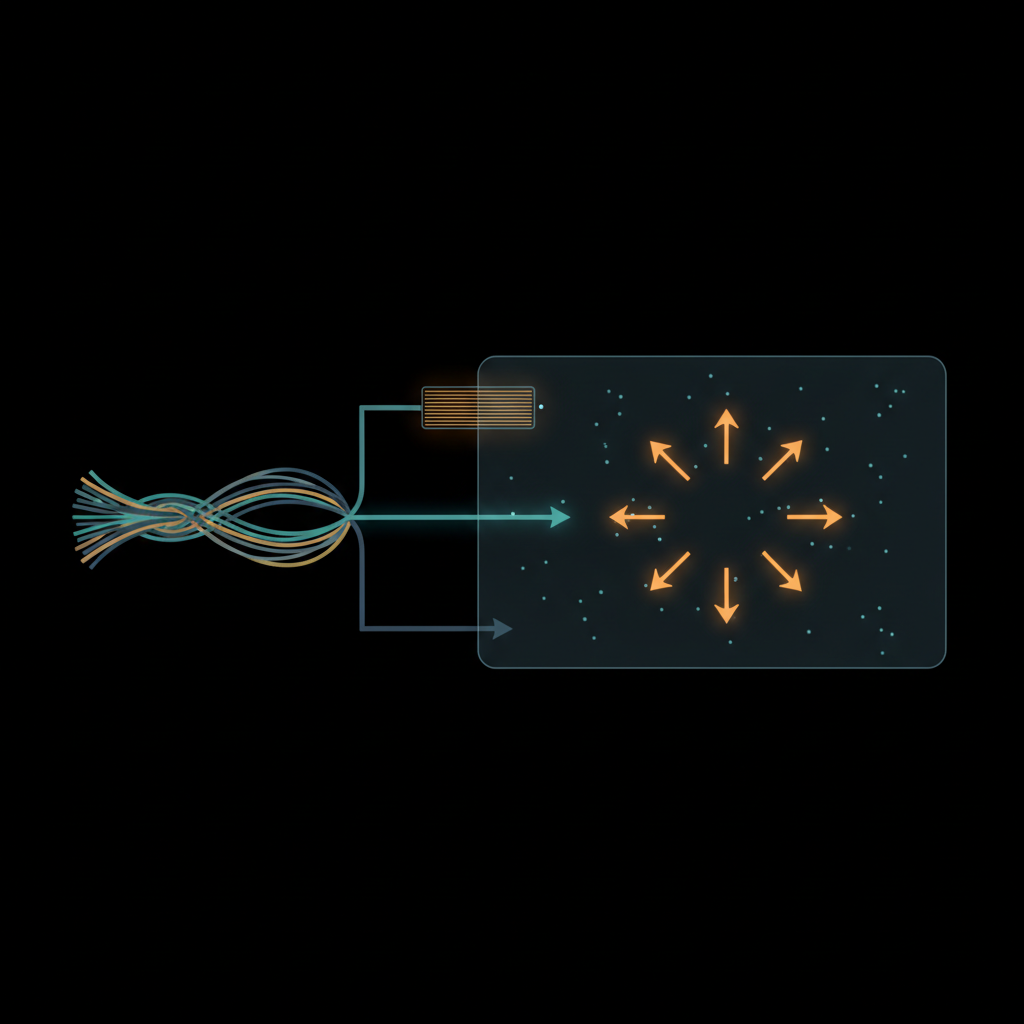
The Same Contact Data Was Worth -5.7 Points in the State Vector and +15.7 in the Image
Visible Touch renders contact as an overlay on the RGB frames a policy already reads. On LIBERO, the same contact signal concatenated to the proprioception state instead scored 5.7 points below having no contact signal at all, on every suite. In the real-world evaluation, a condition that renders geometric markers with the contact information stripped out recovers 16 of the 19 trials the full overlay gains on one pick stage. Delivery, not content, is doing most of the work.
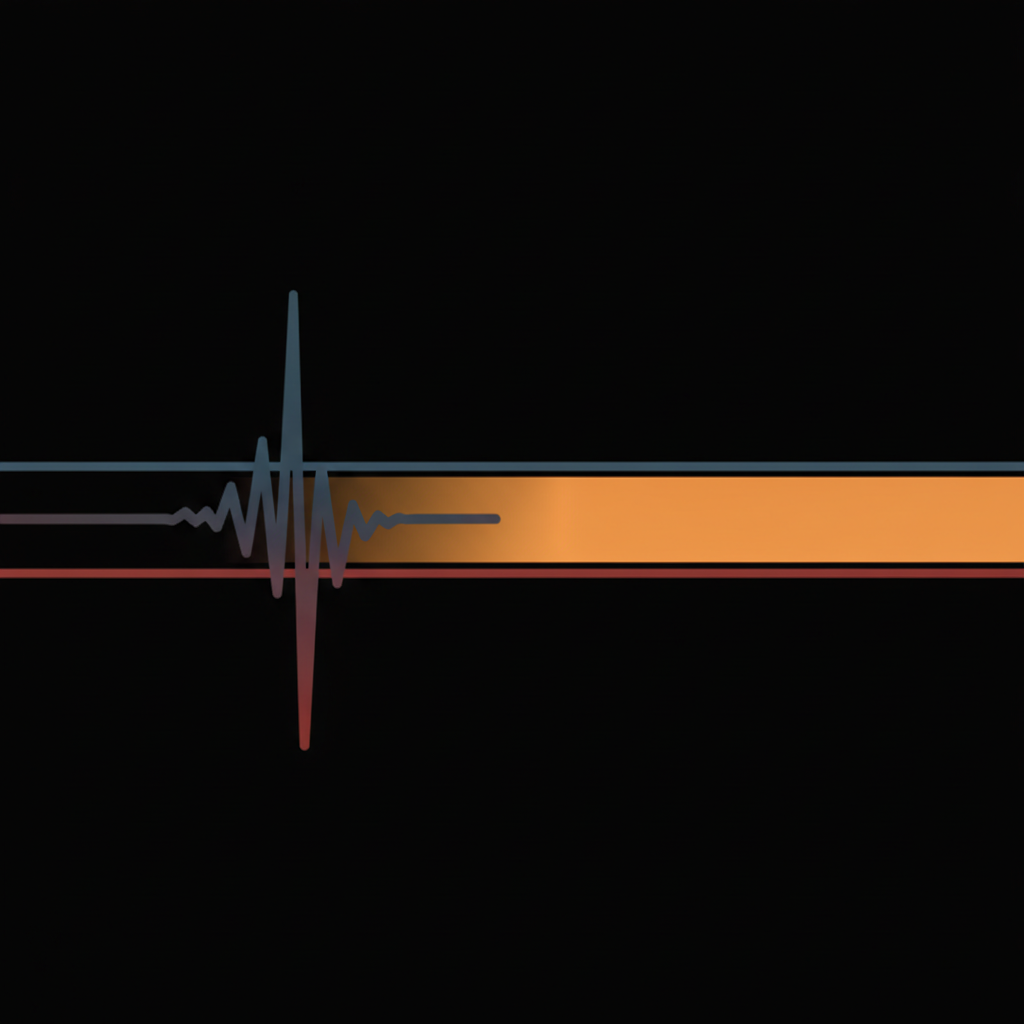
The Force Profile Came From Generated Audio. Every Newton in It Came From a Hand-Set 15 N Cap.
A pipeline from Penn's GRASP Lab derives contact-force profiles from the loudness of audio generated alongside a robot video, and lifts zero-shot success on four contact-rich tasks from 8 of 40 to 36 of 40. Read the equations and the audio sets only a normalised shape inside a range a human picked: F_max is 15 N for every task, F_min is a quarter of that. Against a constant setpoint, the generated shape is worth two trials in ten.
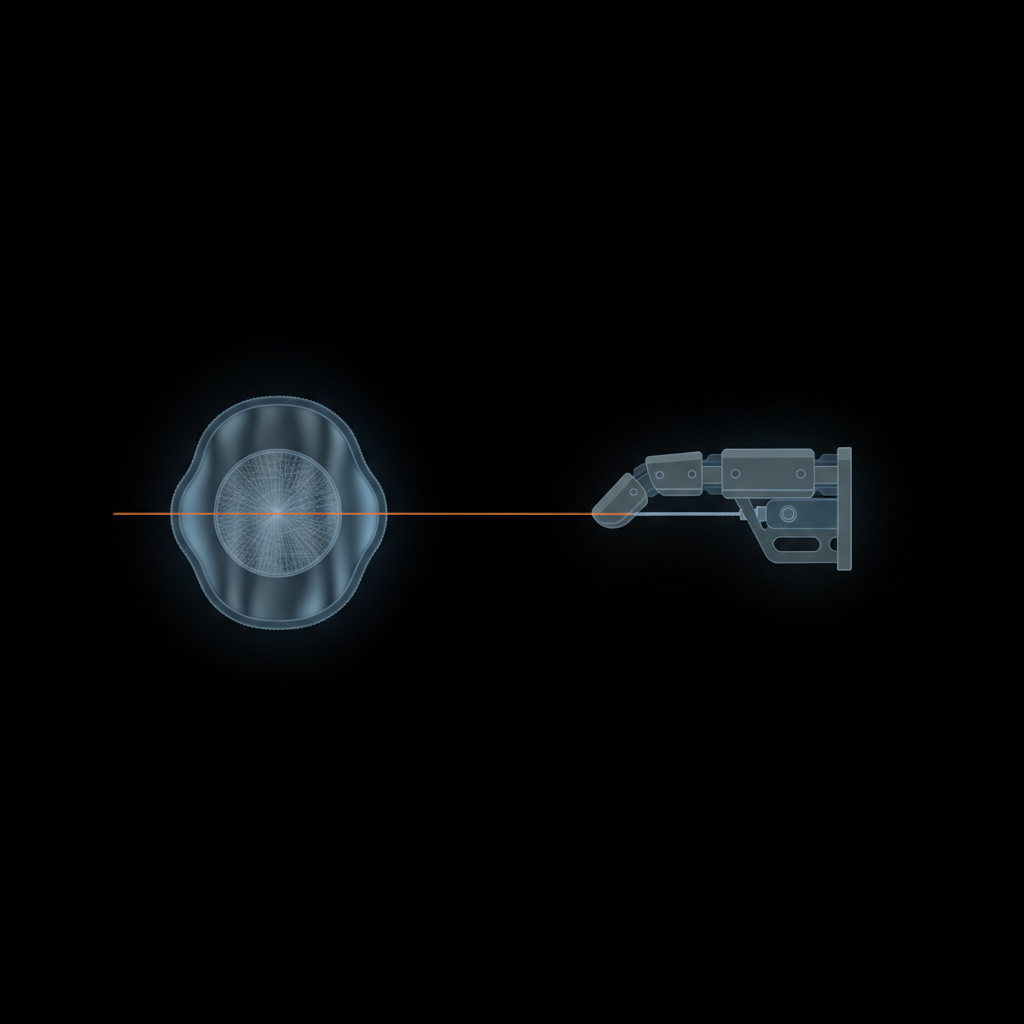
A Glove's Force Channel Bought 0 Points of Success and 53% Less Grip Force
GIFT records fingertip force in newtons on a human glove and estimates it in newtons from actuator current on a robot hand that carries no tactile sensor. In 50 pre-registered rollouts, the policy with the force channel and the policy without it both held the cup in 25 of 25 attempts. The force channel changed only how hard: median grip force 1.20 N against 2.55 N. If you sell force data, that is the line item it moves.
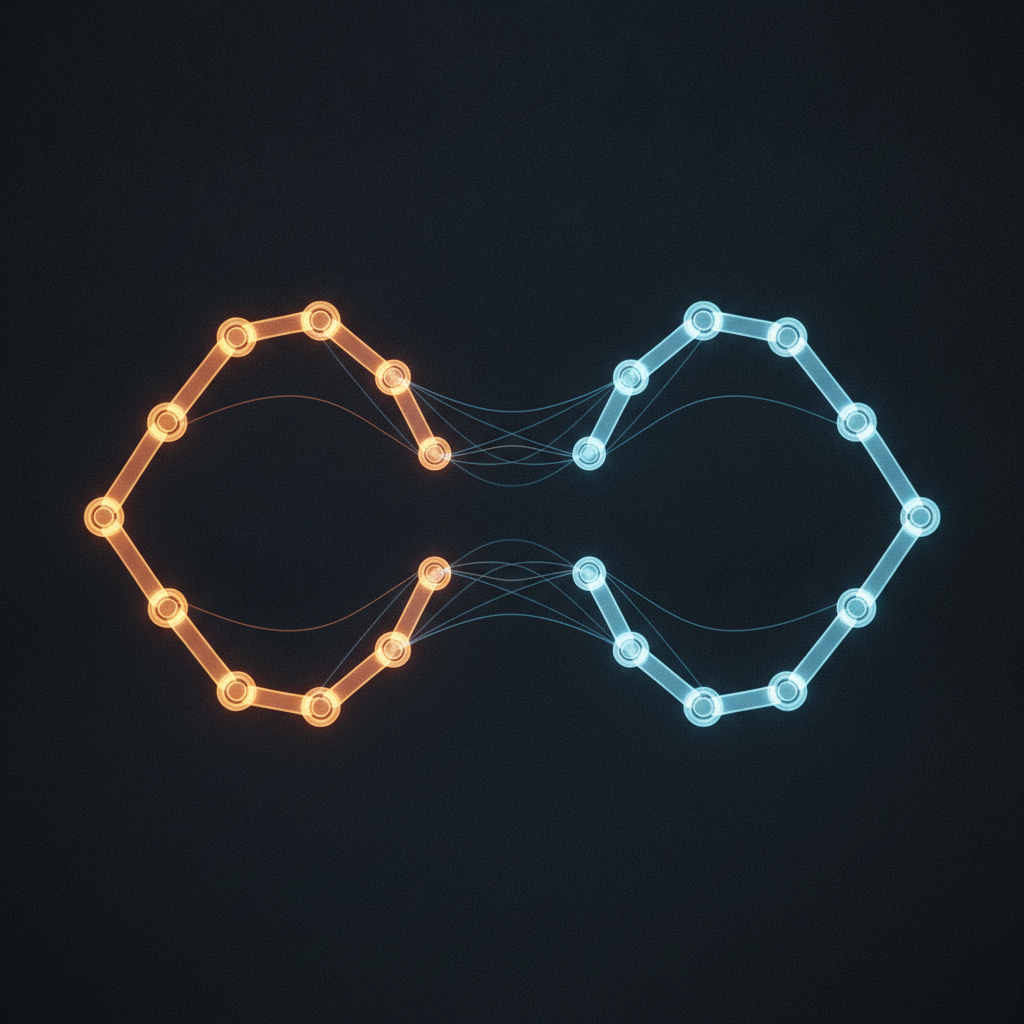
Handheld Demonstrations Scored Zero on the Lift. Ten Teleoperated Episodes Took It to 70%.
DITTO puts handheld and teleoperated collection on one device: a 7-DOF thumb-to-index exoskeleton and a kinematically identical robot hand with 1:1 actuator mapping. On the same test tube uncapping task, 50 demonstrations and 250 epochs, handheld-only data matched every mixture on the rotating stage and failed the grasp-and-lift stage entirely. Ten teleoperated episodes took it to 70%, teleoperation alone added another 20 points. Force feedback cut ratchet interaction force from 14.8 N to 6.9 N. (arXiv:2609.19196, Columbia University, 16 September 2026.)
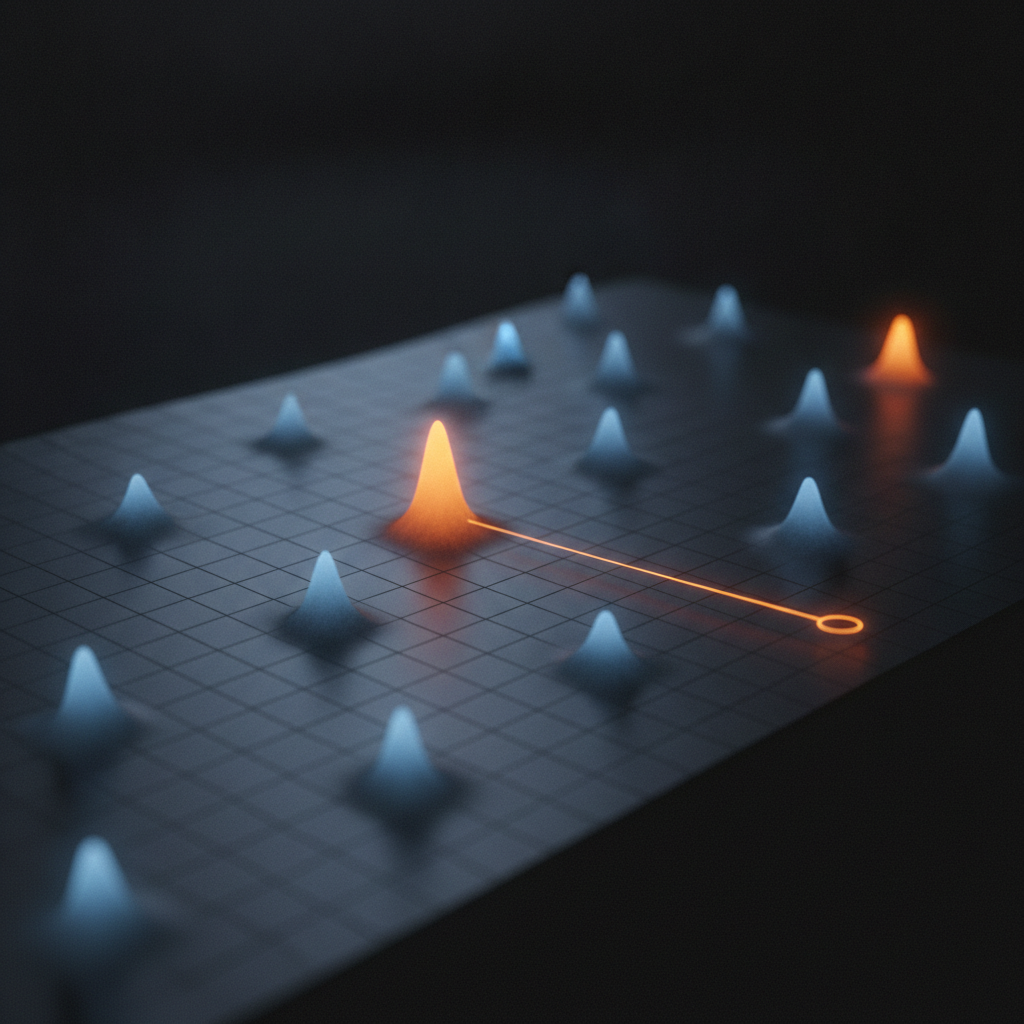
Ten Hours of VR Cooking Gameplay Was Worth 10.0 Points at Five Demonstrations and 4.3 at Fifty.
Project Kitchen collects manipulation data from a VR cooking game with no robot, no lab and no expert operator, then transfers contact points and sub-goal states to policies trained on a handful of real demonstrations. The advantage over target-only training is 10.0 points at five demonstrations and 4.3 at fifty, across ACT, Diffusion Policy and SmolVLA. On a Unitree G1, 30 of 60 becomes 41 of 60. The gameplay actions themselves are never used. (arXiv:2609.18650, HKUST Guangzhou, 16 September 2026.)
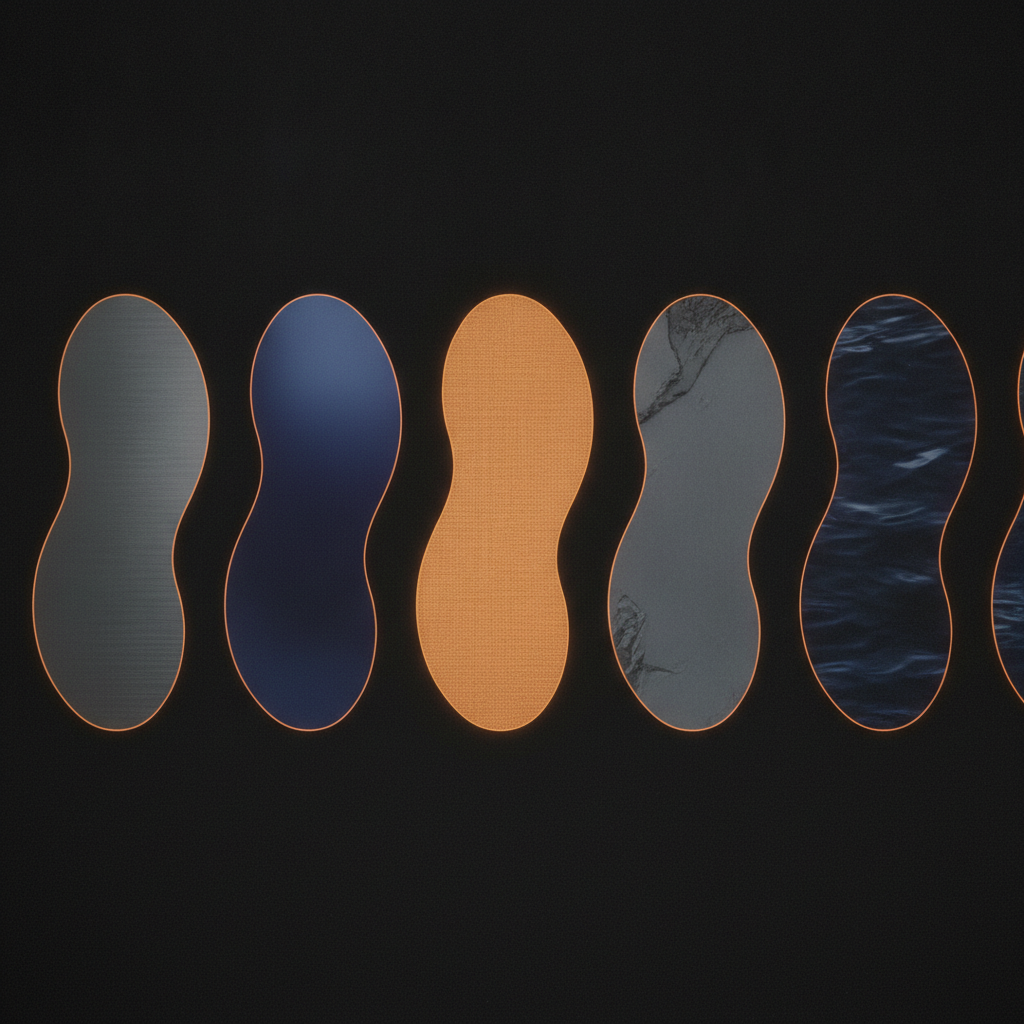
Half a LIBERO Training Set Can Be Video-Generated. All of It Drops Success From 96.9% to 77.0%.
ReShoot re-renders already-recorded robot demonstrations under new appearances with an edge-conditioned video generator and copies the action and proprioception labels verbatim. On LIBERO, a policy trained on an equal mixture of recorded and re-rendered episodes scored 96.5% against 96.9% for recorded-only, and gained 3.2 points on a LIBERO-Plus perturbation sample. Trained on re-rendered episodes alone, the same policy scored 77.0% and 64.3%. On two physical arms, recorded-only policies scored 0 of 61 trials under an object-colour shift.
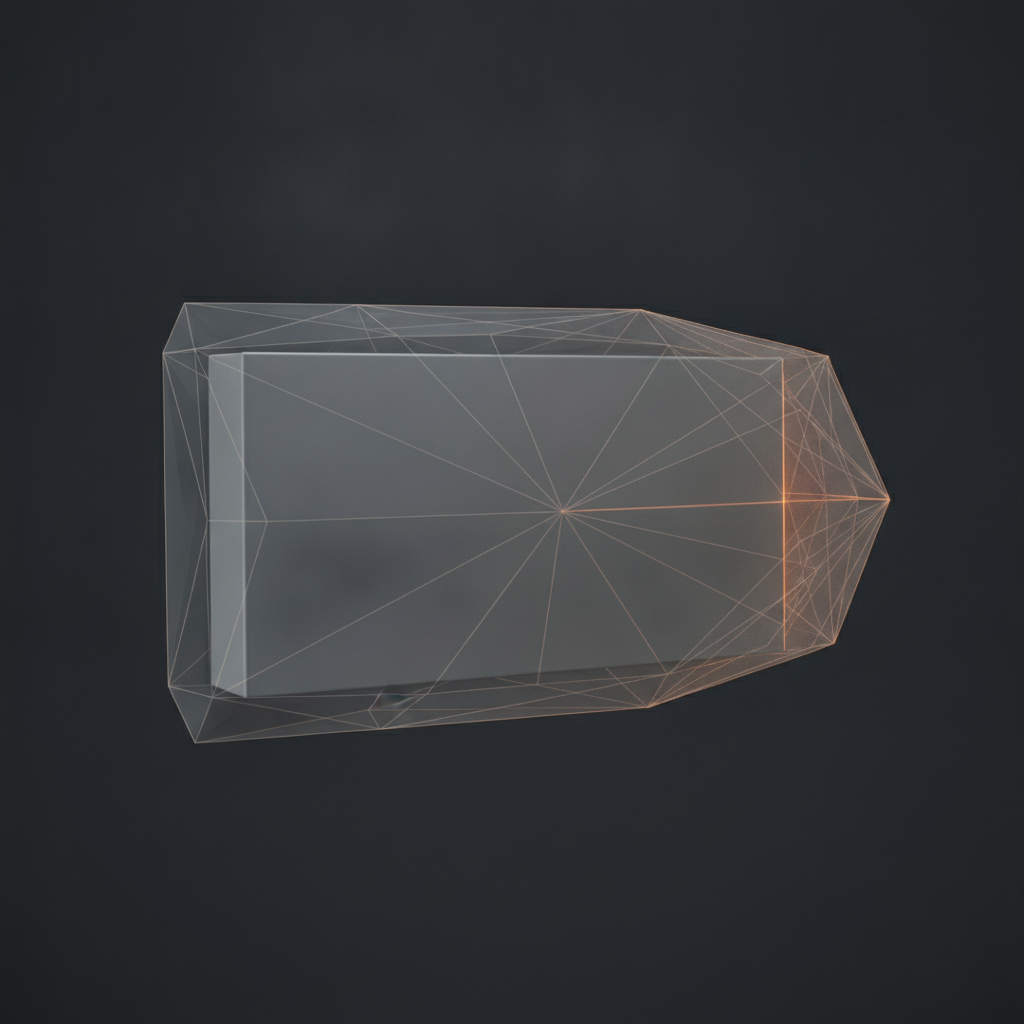
Poisoned Collision Meshes Left Simulated Success at 89%. On a Real Franka, Those Policies Succeeded 31.67% of the Time Against 93.33%.
A simulation asset has two geometries: the visual mesh that renders and the collision mesh the physics engine uses. Researchers at HKUST and Zhejiang University edited only the collision mesh of YCB objects (arXiv:2609.18122, 16 September 2026). Policies trained on the edited assets kept 89.09 percent simulated success, then succeeded 31.67 percent of the time on a real Franka against 93.33 percent for clean ones. Asset platform reviews check malware, copyright and format, and the detectors tested missed most poisoned assets or flagged most clean ones.
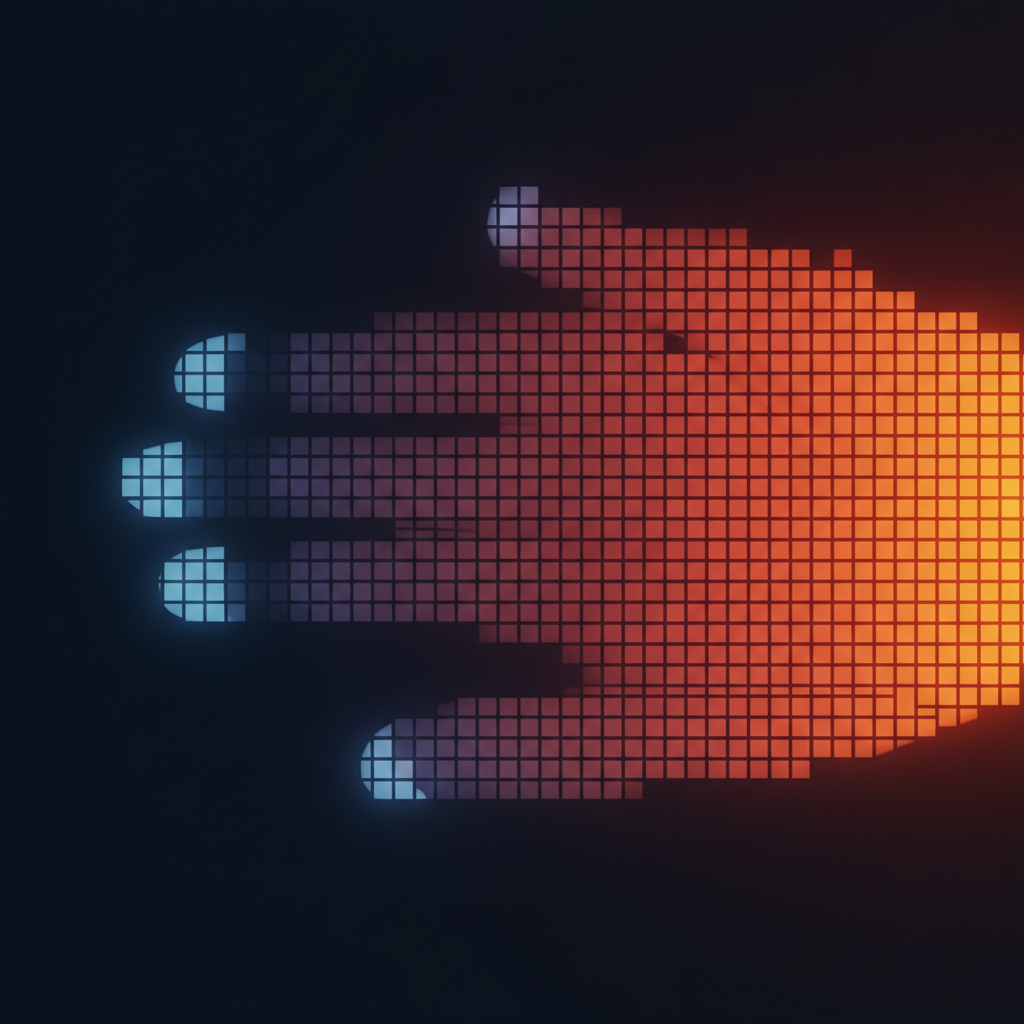
Ten Hours of Human Touch Data Moved a Robot Hand's Contact Prediction by 0.003 F1. The Next 90 Hours Moved It by 0.152.
DexTouch-WM (arXiv:2609.20649, 17 September 2026, HKUST Guangzhou, Xspark AI, Tsinghua and others) held robot data at 5 hours and added 0, 10, 50 and 100 hours of human interaction recorded with the same 320-taxel glove layout the robot hand wears. Contact-F1 on held-out robot episodes went 0.551, 0.554, 0.659, 0.706: flat for the first 10 hours, then rising, and still rising at 100 hours after visual metrics had stopped. Used to generate half of a training set, it lowered the real-robot score in five of six policy and generator combinations.
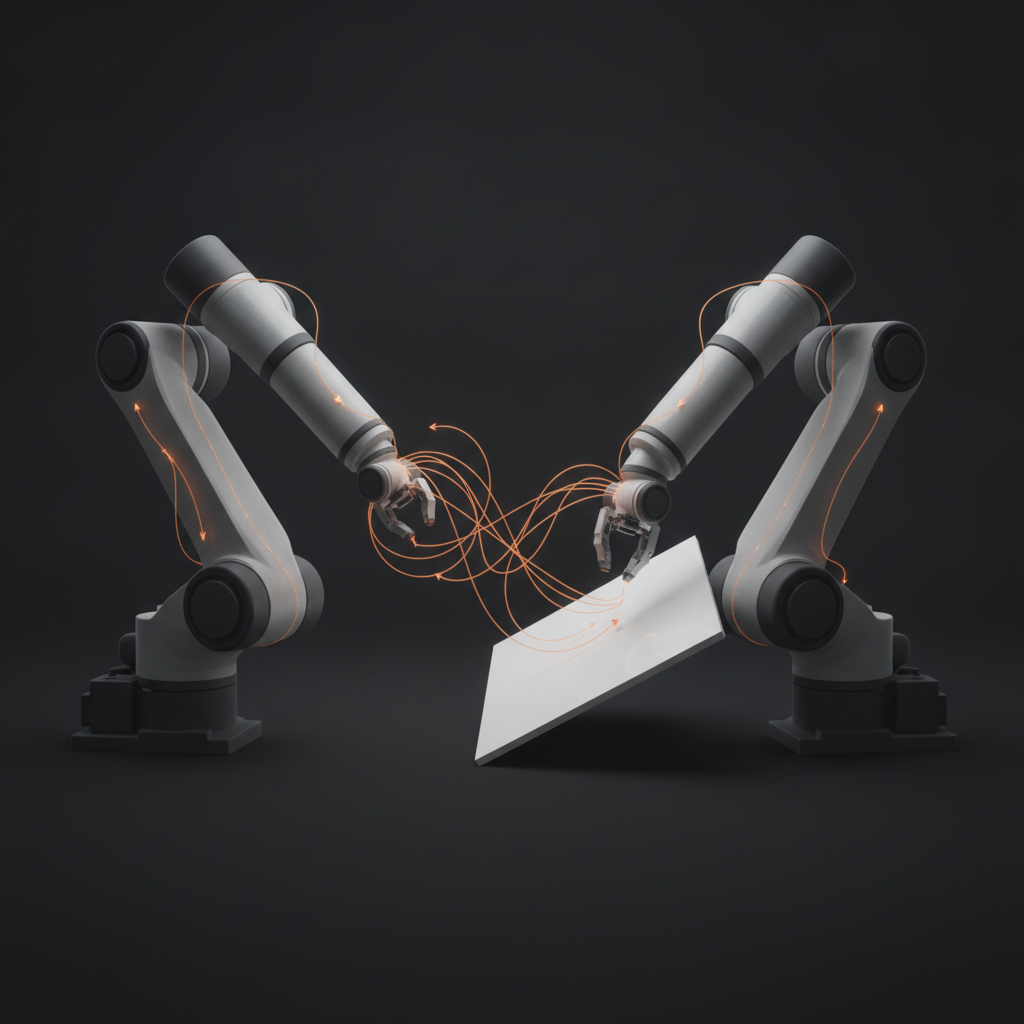
Pose-Only Teleoperation Cannot Record Stiffness. A Bilateral Rig Pulled Per-Axis Labels From the Arm's Own Torque Sensors.
A demonstration recorded with a VR controller, a SpaceMouse or a UMI gripper cannot yield the operator's stiffness at any volume, because realized pose and measured force leave intended equilibrium and stiffness confounded. Guda, Colomé and Torras at IRI (CSIC-UPC) used four-channel bilateral teleoperation on a Franka Research 3 to extract per-axis stiffness labels with no force sensor (arXiv:2609.19976, 17 September 2026). Their policy was the only one of five whose contact force followed the word 'firmly': 6.40 N to 9.12 N RMS.
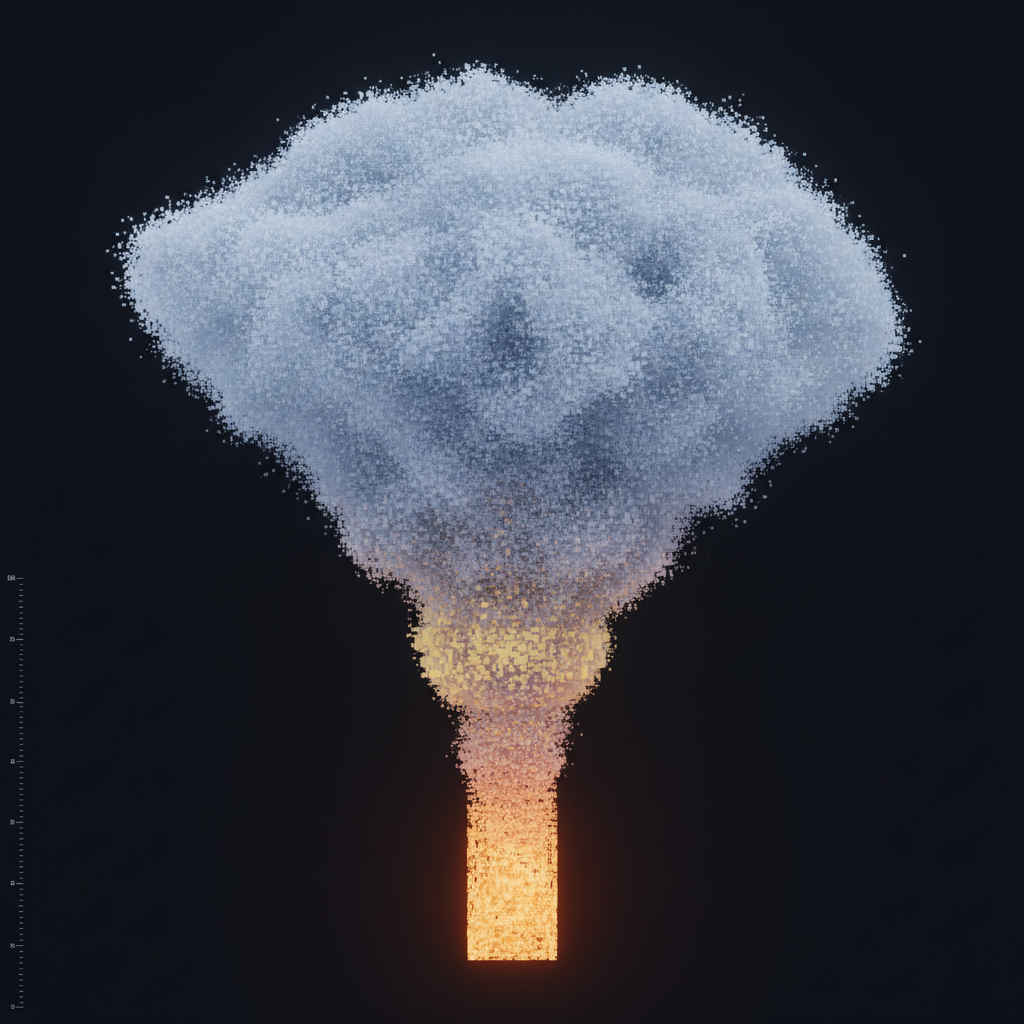
A 120-Robot Fleet Records 11.95 PB a Month. A 7B Model's Compute-Optimal Budget Is 42 Minutes of It.
The Robot Data Factory (arXiv:2609.16705, 15 September 2026, 21 authors led by Sami Haddadin at MBZUAI) works the byte and FLOP budget for a fleet of 120 robots recording continuously. Retained storage is 38.41 MB/s per robot, 99.55 TB per robot per 30 days, 4.61 GB/s and 11.95 PB fleet-wide. The compute-optimal token budget for a 7B model is 0.098 percent of that month, about 42 minutes of fleet output. The scalar interface streams are 36 percent of retained bytes from 1.04 percent of the uncompressed-equivalent bytes, and sampling rate, not degree-of-freedom count, sets the cost.
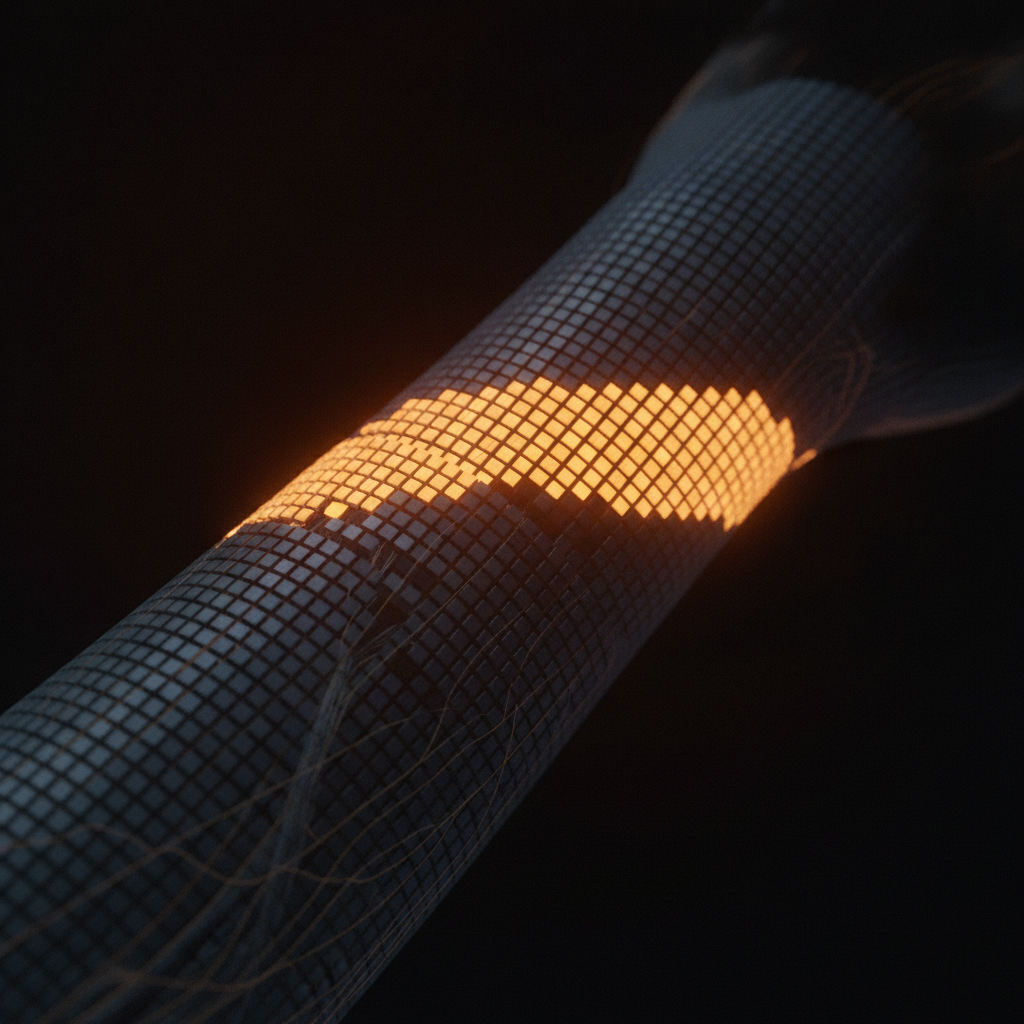
A Band With No View of the Hand Read Per-Finger Contact Force at R2 0.57. Handing It a Pose From Vision Took That to 0.75.
Beyond Gestures (arXiv:2609.16518, 15 September 2026, Meta Reality Labs Research) puts 720 capacitive pressure taxels around the distal forearm and recovers 20 finger joint angles, 3 wrist angles and 65 channels of contact force from the resulting signal. Per-finger force across four people manipulating everyday objects reaches R2 0.57 and 0.59 N mean absolute error. Supplying an externally measured hand pose as an input, not as a second output, takes that to R2 0.75 and 0.45 N, a 24 percent error reduction that neither joint prediction nor the model's own pose estimate reproduces.
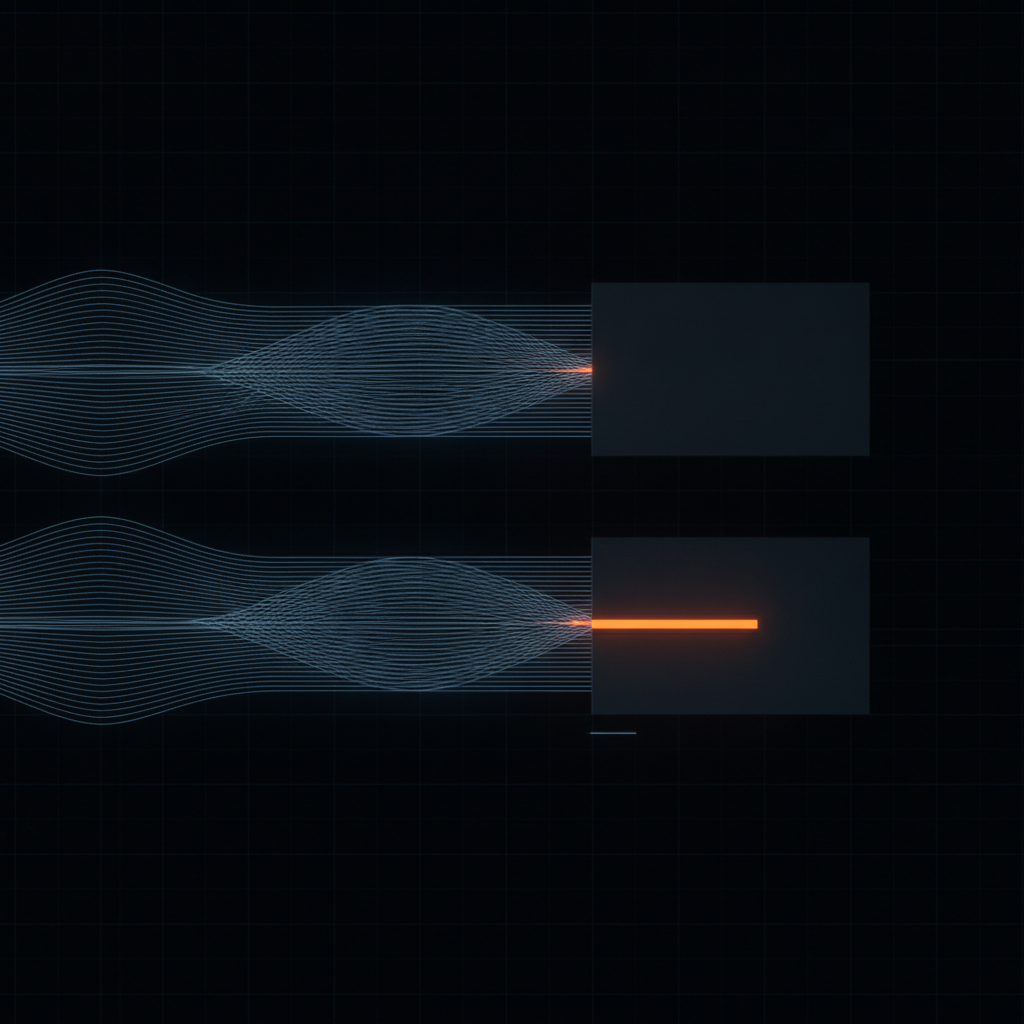
The Ablation That Justified ACT's CVAE Reported 35.3% Down to 2%. An Independent Re-run Got 26.0% Up to 45.2%.
Action Chunking Transformers are the default policy for teleoperated demonstration data, and the encoder at the centre of them is justified by one ablation in the 2023 ALOHA paper: mean success falling from 35.3 percent to 2 percent without it. Bo Kang at Ghent University re-ran that ablation in the original code (arXiv:2609.16745, 15 September 2026). The drop does not reappear in any tested setting. At a 10,000-step budget with the released code's own checkpoint selection and temporal ensembling, removing the encoder raised the two-task mean from 26.0 to 45.2 percent. Probes find no active latent units at any tested positive KL weight.
Bench2Dex Built a Tactile Interface for 12 Dexterous Hands, Then Ran All 20,800 Rollouts on RGB and Proprioception
Bench2Dex (arXiv:2609.15726, 14 September 2026) is the first simulation benchmark with a shared visuo-tactile interface across 12 bimanual dexterous embodiments, 26 long-horizon tasks and about 1,300 teleoperated demonstrations. Its four reported baselines, ACT, Diffusion Policy, pi0.5 and GR00T N1.5, were evaluated on RGB and joint state across 20,800 episodes. Three days earlier STAR published 200 hours of real dexterous tactile data and reported that only 35% of its frames contain any contact at all.

Pressure Alone Found Slip in 150 ms. Adding an 8 kHz Accelerometer Cut It to 6.
SlipSense (arXiv:2609.15910, 14 September 2026, Analog Devices) reports median slip-detection latency of 36.17 frames from a learned 32x32 pressure array on held-out objects, and 1.50 frames once an 8 kHz accelerometer is fused in. At 4.17 ms per frame that is 150.8 ms against 6.3 ms, with false positives falling from 8.43% to 1.57%. 76% of slip events are detected within 23.1 ms including inference. The re-grasp that follows takes another 50.
The Same Contact Wrench Cost 5.7 Points in the State Vector and Gained 15.7 Drawn on the Image
Visible Touch (arXiv:2609.14156, 12 September 2026, UCLA) reports both numbers from the same sensor, the same policy and the same three seeds. A 12-dimensional contact wrench concatenated to the state vector scored 71.1% average on LIBERO 2-view against 76.8% for plain RGB, losing on all four suites. The same contact rendered into the image scored 92.5%. Two other papers posted in the same four days, GIFT and PredTac, move the channel to two more places, and only one of the three records it in newtons on a human hand.
Open-AoE Licenses Its Egocentric Video for Commercial Training. The Hand Poses Inside Carry MANO's Non-Commercial Terms.
Ant Group's inclusionAI/OpenAoE-2000h grants commercial use of its egocentric video and annotations under the Open-AoE Dataset License v1.0, with attribution that extends to trained models. Its README places hands.npz, camera_traj.npz and the hand visualisations additionally under the MANO license, which prohibits commercial use. In a 20-sample read on 15 September 2026 those files were 9.882% of bytes; hands.npz and camera_traj.npz alone were 0.727%.
ZimaBlue Doubled Its Video to 120,000 Hours. The 22.5-Point Perturbed Gain Is Nine More Successes in 40 Rollouts.
arXiv:2609.00188, posted 31 August 2026 by Joy Future Academy, reports that growing egocentric video pretraining from 60K to 120K hours lifted zero-shot Franka success from 82.9% to 87.9% on 8 standard tasks and from 35.0% to 57.5% on 4 perturbed tasks. The perturbed suite is 40 rollouts, so the jump is 14 to 23 successes. The paper does not split the 120K hours into human and robot video, and no weights were public on 15 September 2026.
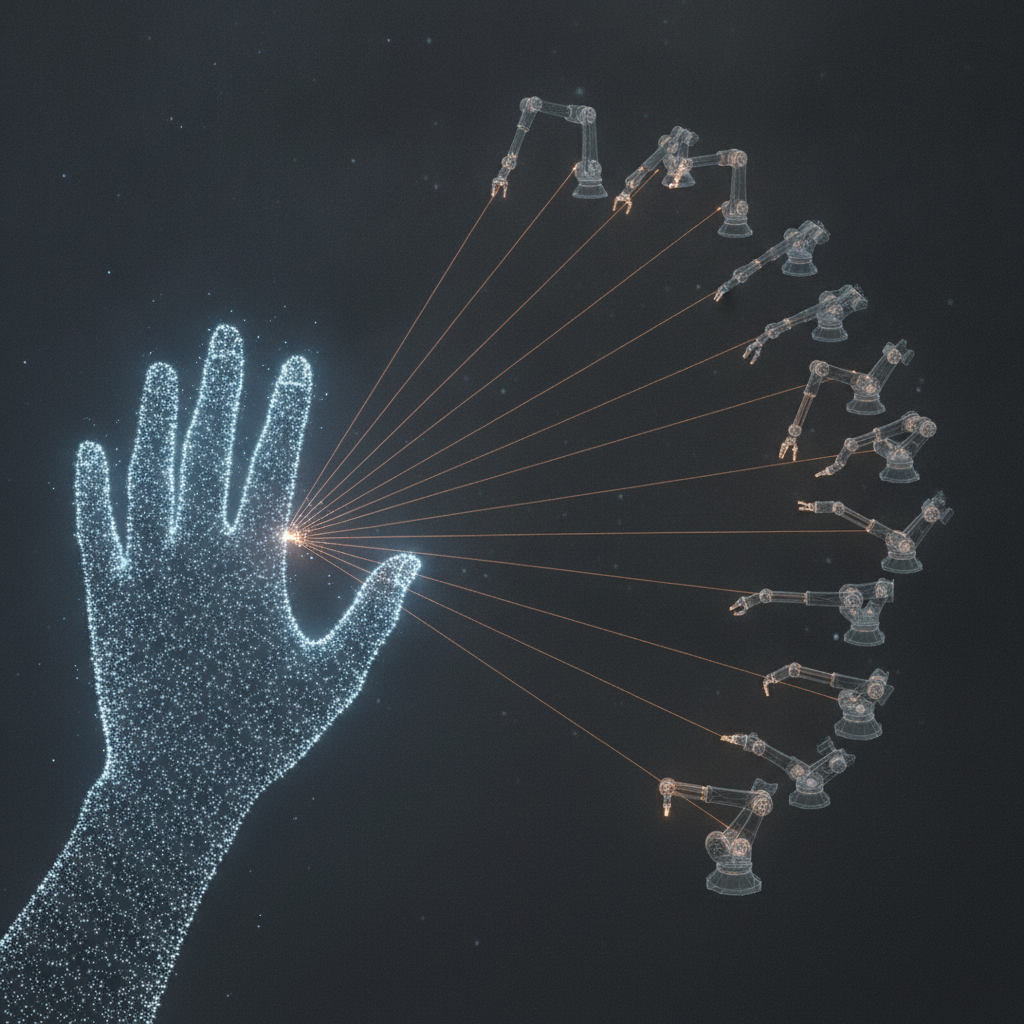
Ego2Robot Rendered 1,940 Hours of Human Video Onto 15 Robot Arms. Going From 1 Arm to 15 Added 1.8 Points.
arXiv:2608.02580 (Qwen Team at Alibaba with Renmin University, ShanghaiTech and BIGAI, 3 August 2026) turns 1,940 hours of egocentric video into 18,561 hours of synthetic robot data across 15 arm morphologies. In its own ablation, rendering onto 15 arms instead of 1 lifts RoboTwin Randomized success from 31.7% to 33.5%, and adding the unrendered human video back lifts it to 37.3%. Franka success under the embodiment perturbation fell under all three data mixes.
The LeRobot Corpus Runs at 30 Hz. Its Only Newtons Run at 10, Because the Format Has One Clock.
Reading fps from 261 LeRobot schemas on 10 September 2026: 177 of them are exactly 30 Hz, 245 are at or below 50 Hz, and two reach 250 Hz. The three RH20T ports are the only datasets in the sample carrying a named six-axis wrench, and they declare 10 Hz, matching RH20T's camera rate rather than the 100 Hz its own specification gives for the force/torque sensor. LeRobot v3 supports a per-feature fps, 37 of 261 datasets set it, and not one sets two different values.
Five Ways to Write Force Into a LeRobot Dataset. The Format Has No Field for Units, So None of Them Compose.
The LeRobot feature specification is dtype, shape, names, and optionally fps. There is no units field, no sensor field, no calibration field. Reading the 261 readable LeRobot schemas on the Hub on 10 September 2026, the contact signal that does exist is written five incompatible ways, from observation.force [3] with names set to null, to a 4x4 taxel grid per finger, to motor current filed under a key with no force word in it at all. Per-dataset normalization then z-scores all of them into the same dimensionless slot.
We Read the Schema of 261 LeRobot Datasets. Seven Have a Force Channel and None of Them Can Command One.
On 10 September 2026 we pulled meta/info.json for the 300 most-downloaded datasets carrying the LeRobot tag on Hugging Face. 261 served the file. Exactly 7 declare a force, torque, wrench, tactile or effort feature, and zero declare one anywhere under action. Those 7 hold 10,965,761 of the corpus's 1,437,453,950 frames, or 0.763%. The nine most-downloaded datasets, from language_table at 877,896 downloads to L2D at 84,054, have none.
Three Papers Tried to Predict Touch From Video in August 2026. The 0.06 N Headline Only Holds On Their Own Glove.
EgoTac, EgoPHI and HOPE all landed in August 2026, all inferring hand force or pressure from egocentric video. EgoTac's contact IoU is 0.593 to 0.743 in domain and 0.178 to 0.285 out of it, and its own paper says an absolute newton error across sensors would need unsupported calibration assumptions. Of 158.9M frames across 19 egocentric hand datasets, 11.8% carry measured force.
Two Crowdsourced Robot Data Engines Went Public in Eleven Days. Neither Ships a Force Channel.
Figure took Index out of stealth on 25 August 2026 with 16 million uploaded videos and $15M paid to contributors. Axis Robotics announced Axis Sim Dataset V1 on 4 September 2026 with 50,000+ trajectories across 207 tasks. Opening both public artifacts on 9 September 2026: the AXIS zarr shards expose exactly three data arrays (action, head_camera, state), Index records monocular video from a supplied head camera, and neither pipeline carries force, torque or tactile.
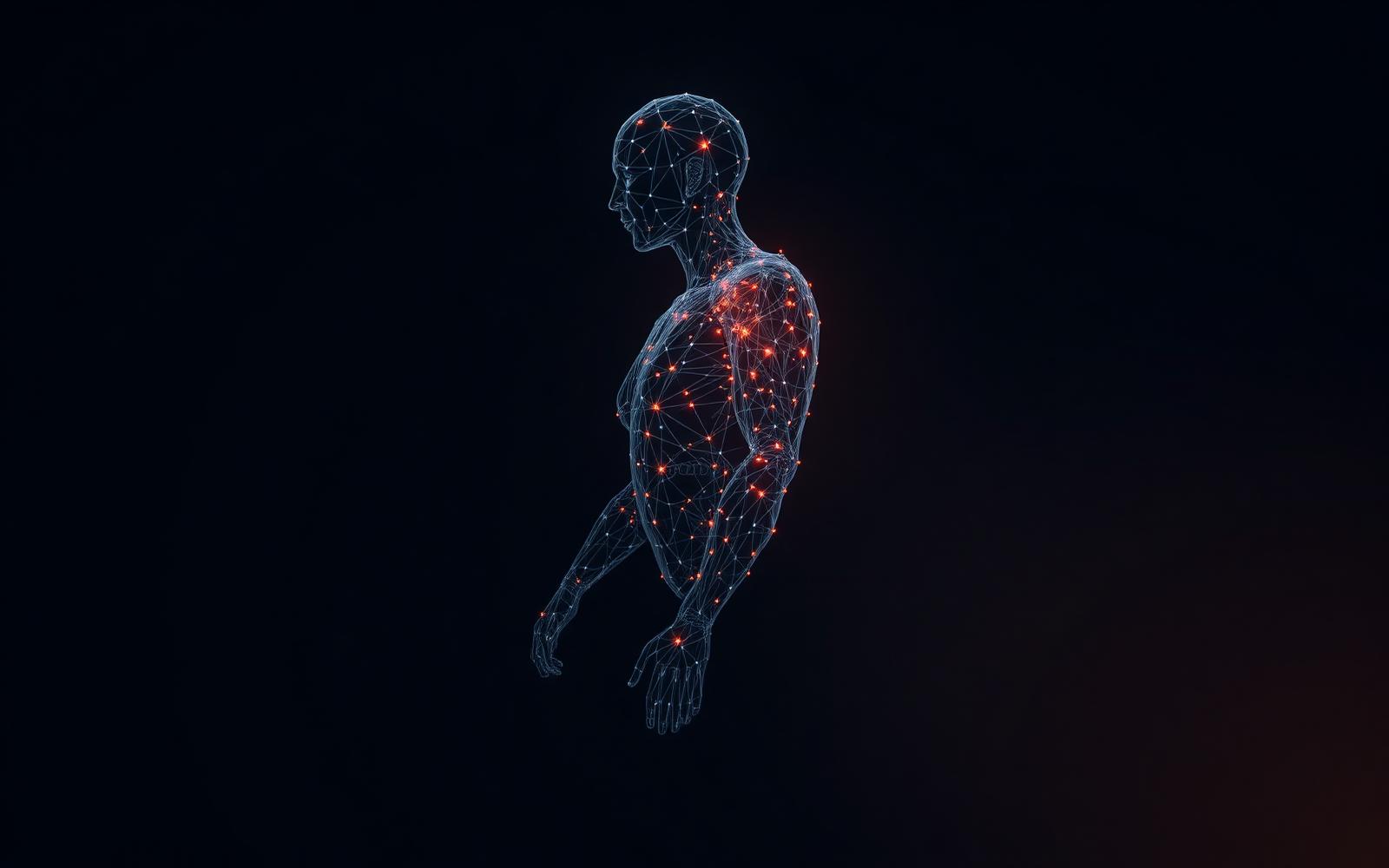
SONIC Scaled Human Motion Data 250x. The Policy Controls 29 Joints and None of Them Touch Anything.
NVIDIA's SONIC, published in Science Robotics in 2026, trains a humanoid whole-body controller on 700 hours of human motion capture from 170 subjects, 100 million-plus frames at 50 Hz, and shows monotone improvement from 0.4M to 100M frames. It is the cleanest published evidence that paying humans for motion data scales. Its action space is 29 target joint positions on a Unitree G1, zero of them finger joints, and its observation contains no force, torque or contact term. The reported mean wrist tracking error is 6 cm.
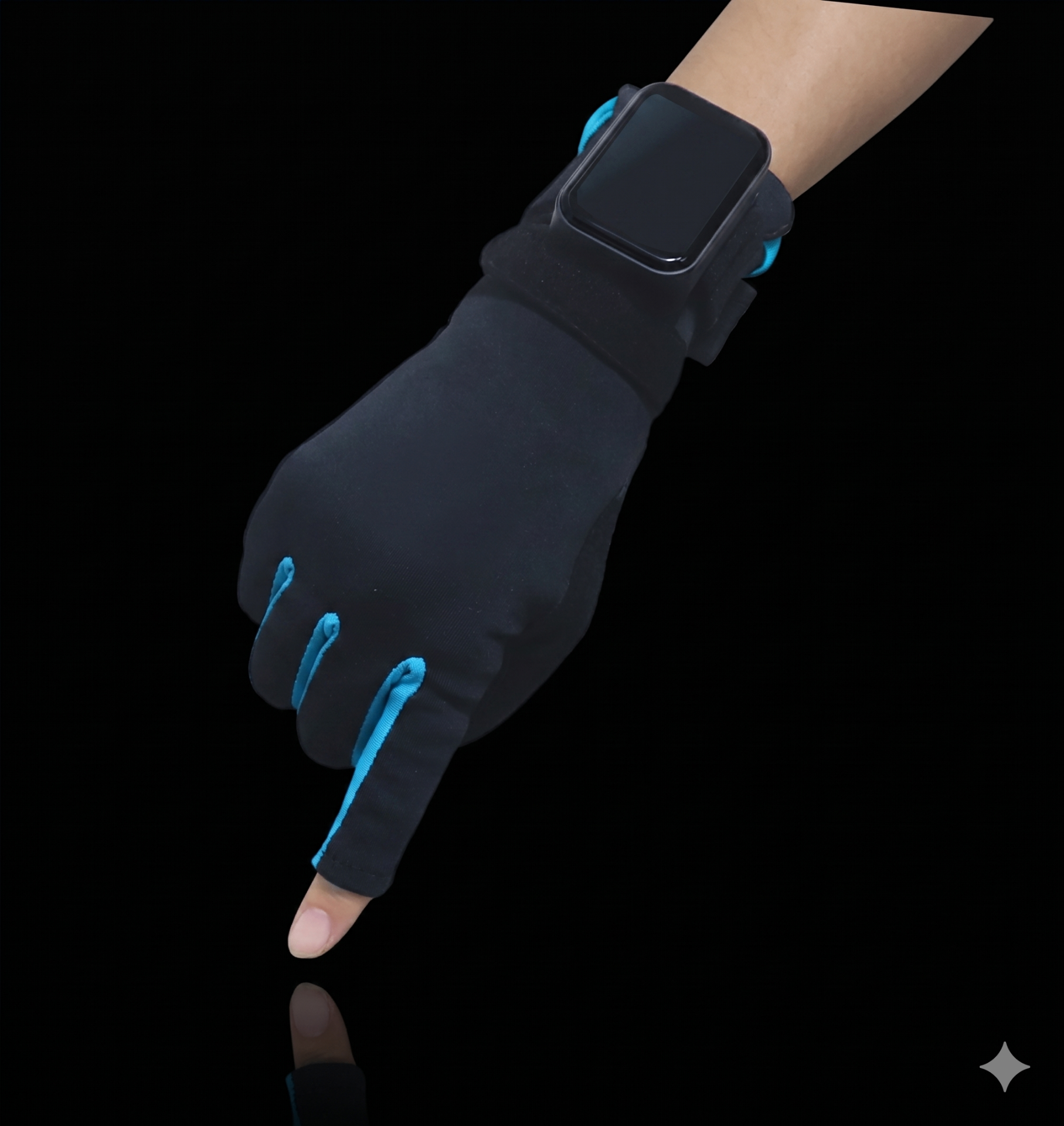
Gemini Robotics 2 Unscrews a Light Bulb 92% of the Time and Screws One In 36%
Same robot, same hand, same bulb, same socket, run backwards. Google DeepMind's own 30 July 2026 numbers put unscrewing at 92% and screwing at 36%, a 56-point gap on a reversed task. Sorting all eleven published success rates by whether the task regulates force reproduces the ranking almost exactly, and the hand doing the 36% has fingertips that resolve 0.005 N at 180 Hz.
AgiBot World 2026 Records Force on Every Frame. Its Action Vector Has None.
We pulled two shards of AgiBot World 2026 on 9 September 2026 and read the parquet directly. observation.state is 169 floats, and 26 of them are force: a 12-dimensional end-effector wrench and 14 joint-effort channels, populated at 30 Hz and changing on 100% of frame transitions. The 40-dimensional action vector contains no force or torque term at all. The force is there to look at and impossible to command.
The Egocentric Data Wave: 2026's Biggest Robot-Learning Datasets and the Modality They Miss
In 2026 egocentric human video hit scaling laws for robot manipulation, from EgoScale's 20,854 hours to EgoVerse's 1,362. But the one signal it cannot capture is force at the hand.
The Schema War in Robot Learning: RLDS vs LeRobot, and Who Actually Wins
Robot-learning data is consolidating around two formats: Google DeepMind's RLDS and Hugging Face's LeRobotDataset. LeRobot has the momentum, but the winning schema still under-specifies force.
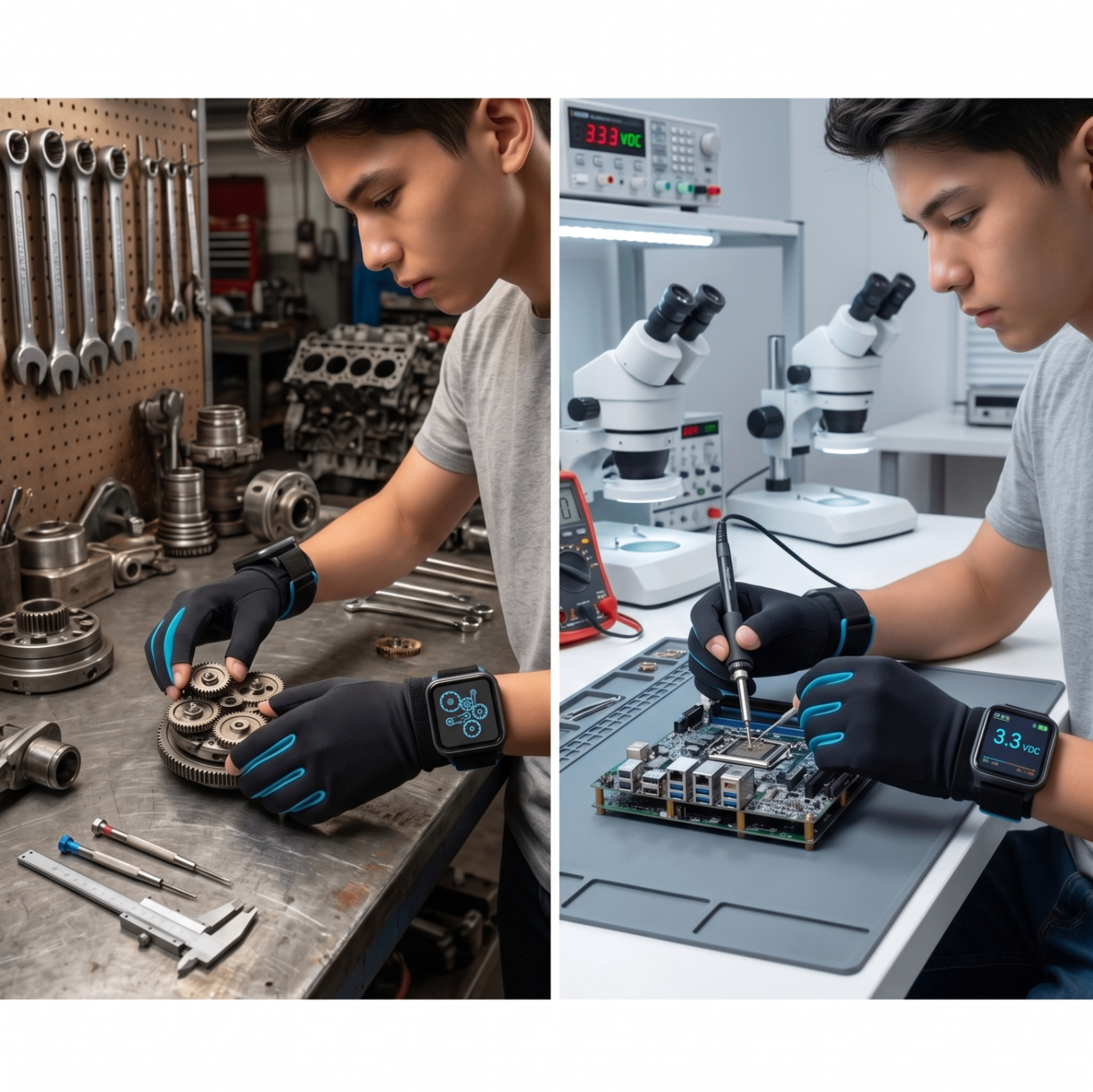
One Million Hours of Human Skill: What a Truly Diverse Corpus Unlocks for Robotics
In August 2026 DYNA-2 proved a human-to-robot scaling law on 1M+ hours of egocentric video. But hours alone are not enough. The technical case for a diverse, force-instrumented million-hour corpus, and why collecting it is Blomega's mission.
Open Developer Ecosystems for Robotics: A Technical and Commercial Field Guide (2026)
A deep reference on what an open developer ecosystem for robotics actually is in 2026: the middleware, simulation, data, and model layers; the business models and robot app stores; the open-versus-closed data-moat tension; and what has to be true for an iOS or Android moment in physical robots.
The Robot Data Pipeline: A Unified Sensor-to-Cloud Recording and Upload Strategy for Navigation and Perception
A deep technical reference on moving robot data from sensor to cloud: what to record and why you cannot upload it all, MCAP and triggered recording on the edge, time-synchronizing navigation and perception, curating the critical one percent, and the offload, storage, and flywheel that follow.
The Robot Manipulation Dataset Registry: 19 Datasets, and Only 2 Have Force
A cleaned, normalized, machine-readable registry of open robot manipulation datasets. The scattered landscape refined into one schema, and one column that tells the story: only 2 of 19 datasets carry force at the hand.
How Much Force Does It Take? A Registry of the Newtons Behind Everyday Tasks
A cleaned, sourced registry of the force and torque humans apply to everyday manipulation tasks, from 0.45 N to press a key to ~5 Nm to open a jar. The one axis a camera cannot see, refined from the ergonomics literature into agent-ready data.
The Tactile and Force Sensor Registry: 24 Ways to Give a Robot Touch
A cleaned, sourced registry of the tactile and force/torque sensors robots use, from open-source GelSight and ReSkin to industrial ATI and Bota. One normalized schema, and a split that tells you where the field is going.
Who Builds Robot Manipulation: A Registry of 39 Labs and Companies
A cleaned, sourced registry of the academic labs and companies building robot manipulation and the data behind it, from Stanford IRIS and Berkeley RAIL to Physical Intelligence, Figure, and AgiBot. One schema for the whole field.
The Robot Foundation Model Registry: 18 VLAs and Policies, and Which Are Open
A cleaned, sourced registry of the vision-language-action models and manipulation policies that run on robots, from 27M-parameter Octo to 55B RT-2-X. Two-thirds ship open weights; the biggest company results do not.
End-to-End Robot Training: How Robots Learn Skills in 2026 (The Ground-Truth Guide)
End-to-end robot training replaces the hand-coded perception-planning-control stack with one learned model that maps sensors straight to actions. This is the complete, sourced guide: the pipeline, the three learning methods, all 18 foundation models compared, where the data comes from, sim-to-real, and the contact-force gap holding it back.
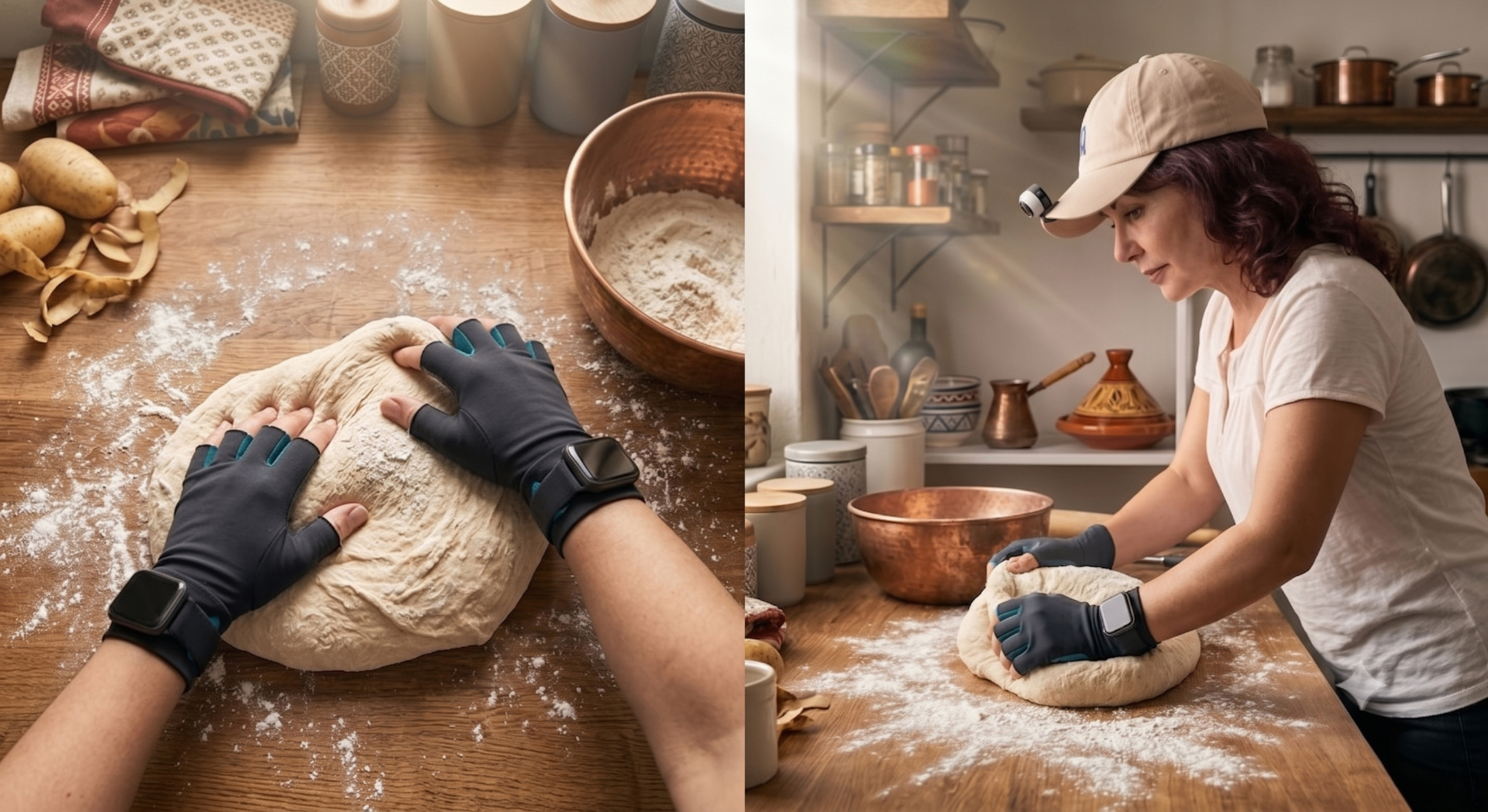
Where BLO LAB Sits in the Coordinated Strategy
A summary of the position: wearable-first capture, a global operator network via Talika, a delivery pipeline built for foundation-model training, and honest complementarity with the teleop-warehouse layer.
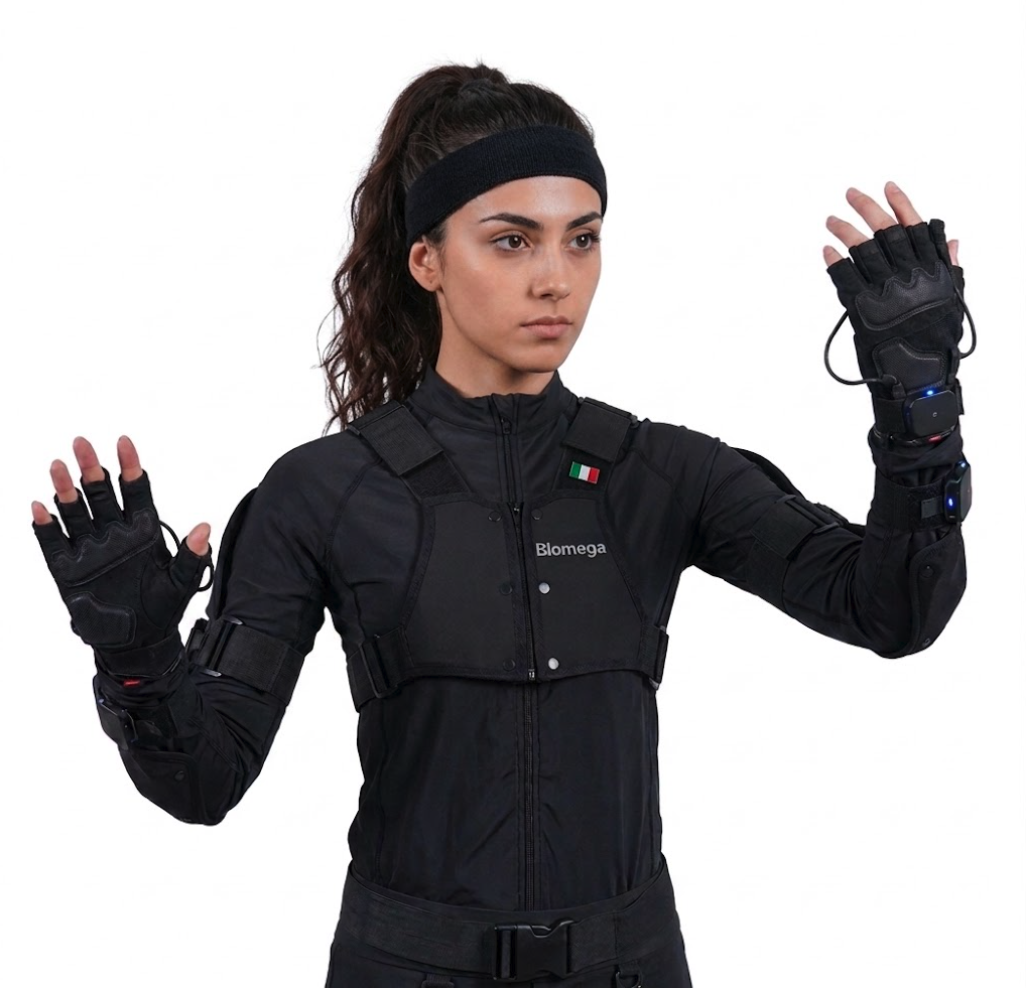
The Geography of the Operator Network
Where the operators live is not a footnote. It determines what skills are cheap to capture, what compliance regime applies, and what languages your annotation pipeline has to speak.
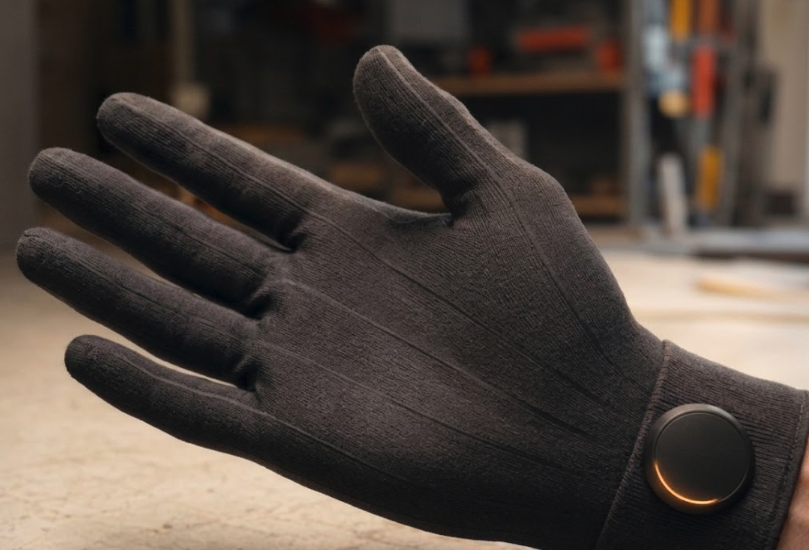
The Hundred-Million-Hour Question
A universal manipulation policy will eventually need something like a hundred million hours of demonstration data. Nobody in the market can currently produce that. The path to it is the real strategy question.
Data Services vs Data Software: Two Different Businesses
A company that sells operator-hours of demonstration is a services business. A company that sells a capture platform is a software business. Both are legitimate. They are not the same company.
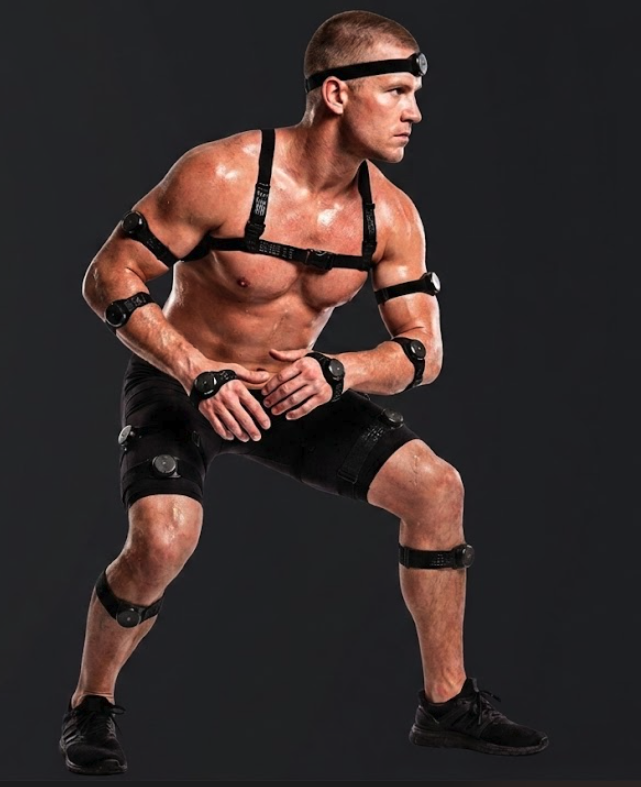
The Pick-and-Shovels Thesis for Physical AI
In a gold rush, the reliable business is not gold. It is the picks and shovels. In the current robotics cycle, capture hardware and operator networks are the shovels, and they are being bought.
Provenance and Audit for Manipulation Datasets
As foundation-model labs get bigger and more regulated, the audit trail on their training data becomes a first-class concern. Data vendors that cannot produce one will be filtered out.
The Emerging Standard for Manipulation-Data Delivery
There is no formal standard yet for how a manipulation dataset should be shipped. There is, informally, a converging one, and vendors that ignore it pay the price in integration weeks.
What Frontier Labs Actually Buy When They Buy Data
Nobody buys 'data.' They buy specifications, delivery formats, QA guarantees, and the right of first refusal on the next capture cohort. Understanding the actual purchase order is where vendors either win or lose the account.
OpenAI's Robotics Relaunch and What It Means for the Data Layer
The largest AI lab in the world reopening its robotics program tells us where the demand curve is going. What it does not tell us is where the supply is going to come from.
Should a Foundation-Model Lab Buy Data or Build It?
Every lab building a physical-AI foundation model faces the same make-or-buy question on data. The right answer depends on the shape of the model, not just the size of the budget.
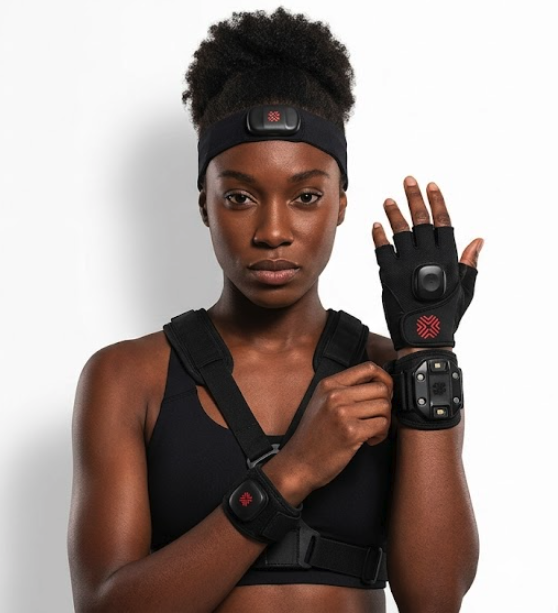
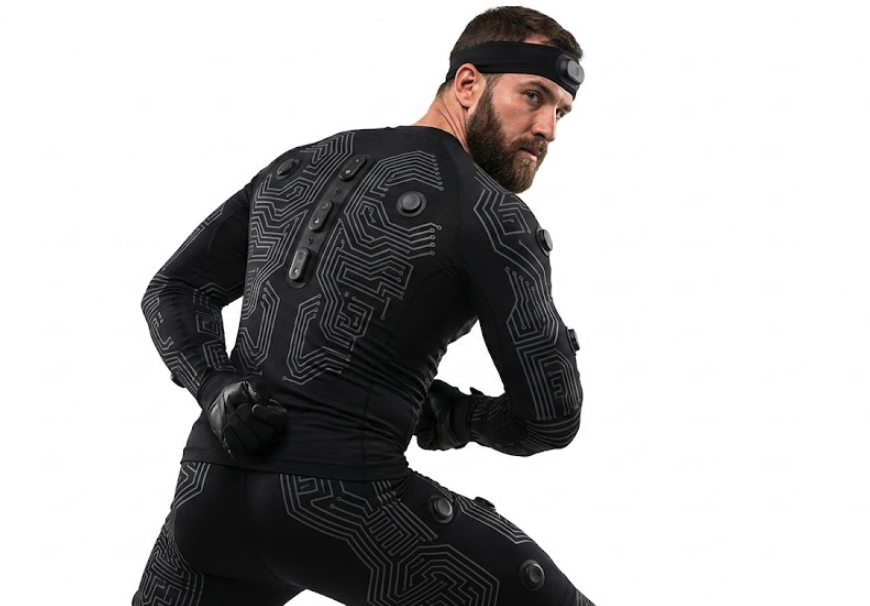
Wireless, Battery-Powered, All-Day: The Full-Body Capture Spec
A suit that only works tethered, in a studio, for thirty minutes at a time captures a fraction of the work that matters. The full-body capture spec is what unlocks the rest.
Retargeting Is the Strategic Layer of Wearable Capture
The mapping from human motion to robot action is not a lossy compromise. Done right, it is the layer that lets one dataset feed every embodiment a lab ever ships.
Contributing a Force-Rich Reference Dataset to the Field
The BLO LAB reference dataset is a curated slice of our production capture, released with force, pose, and video aligned to the standards a serious tactile benchmark will eventually require. Here is what it contains, why we ship it, and what we hope the field does with it.
Why Force and Tactile Signal Belongs at the Fingertip
A follower arm can approximate force from joint torque. A fingertip sensor measures it directly. For contact-rich policies, the gap between the two is the gap between a policy that works and one that plateaus.
In-Situ Capture: Data Where the Work Actually Happens
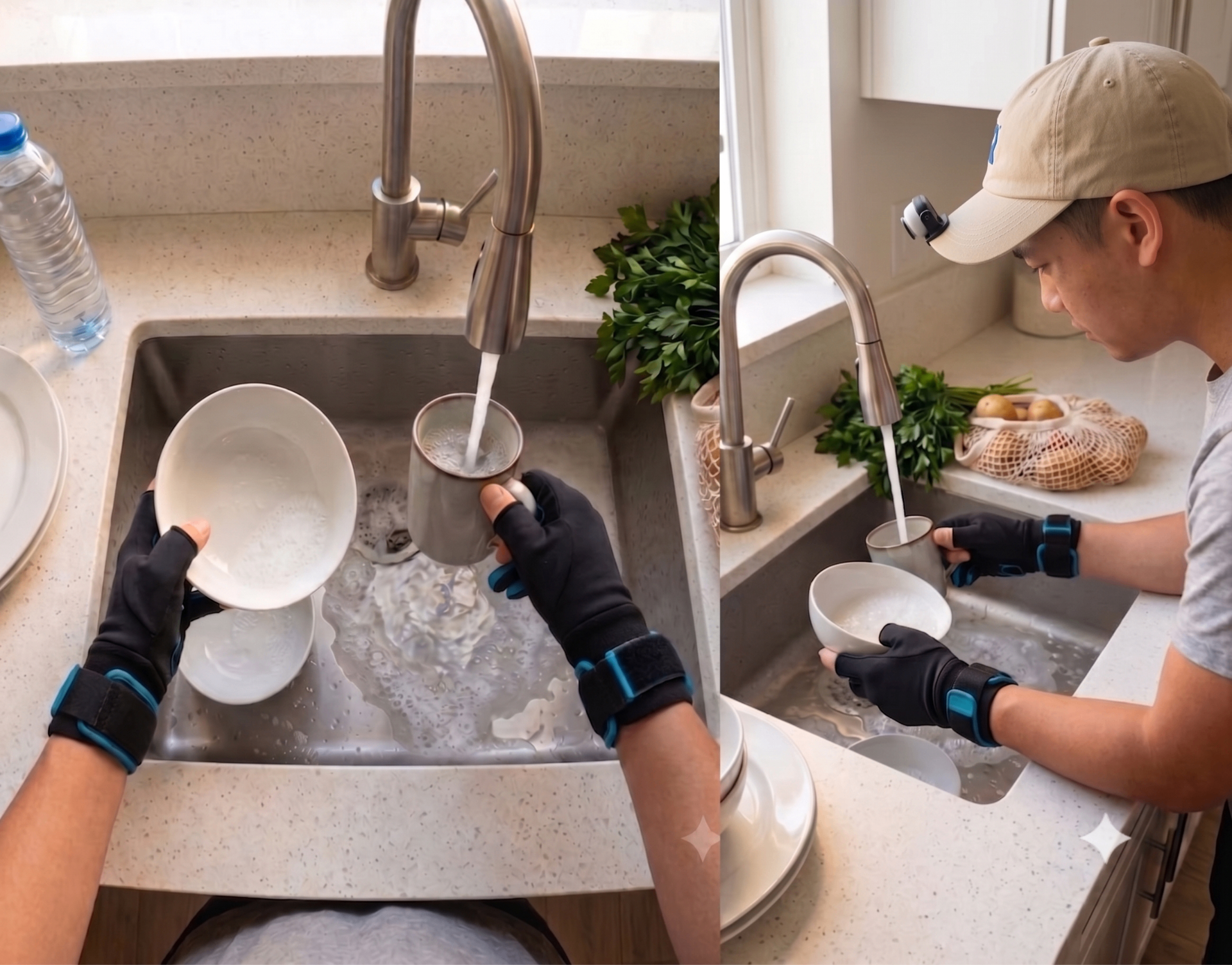
The kitchen, the workshop, the lab bench, these are the places skilled work happens. A capture stack that has to be shipped to them beats one that expects them to come to it.

Why Wearable Capture Scales on a Different Curve
The bottleneck in wearable data collection is skilled operators, not arms, cells, or floor space. That shifts the entire growth curve of the business.
The Embodiment Transfer Problem in Teleoperated Data
Data captured on one robot does not automatically train a policy for another. The gap between capture embodiment and deployment embodiment is the hidden tax on every teleoperation dataset.
Cost Per Demonstration Is the Only Metric That Matters
Total dataset cost is the wrong denominator. The metric that decides whether your data program compounds is the fully-loaded cost of one usable demonstration hour.
Robot-in-the-Loop vs Human-in-the-Loop Capture
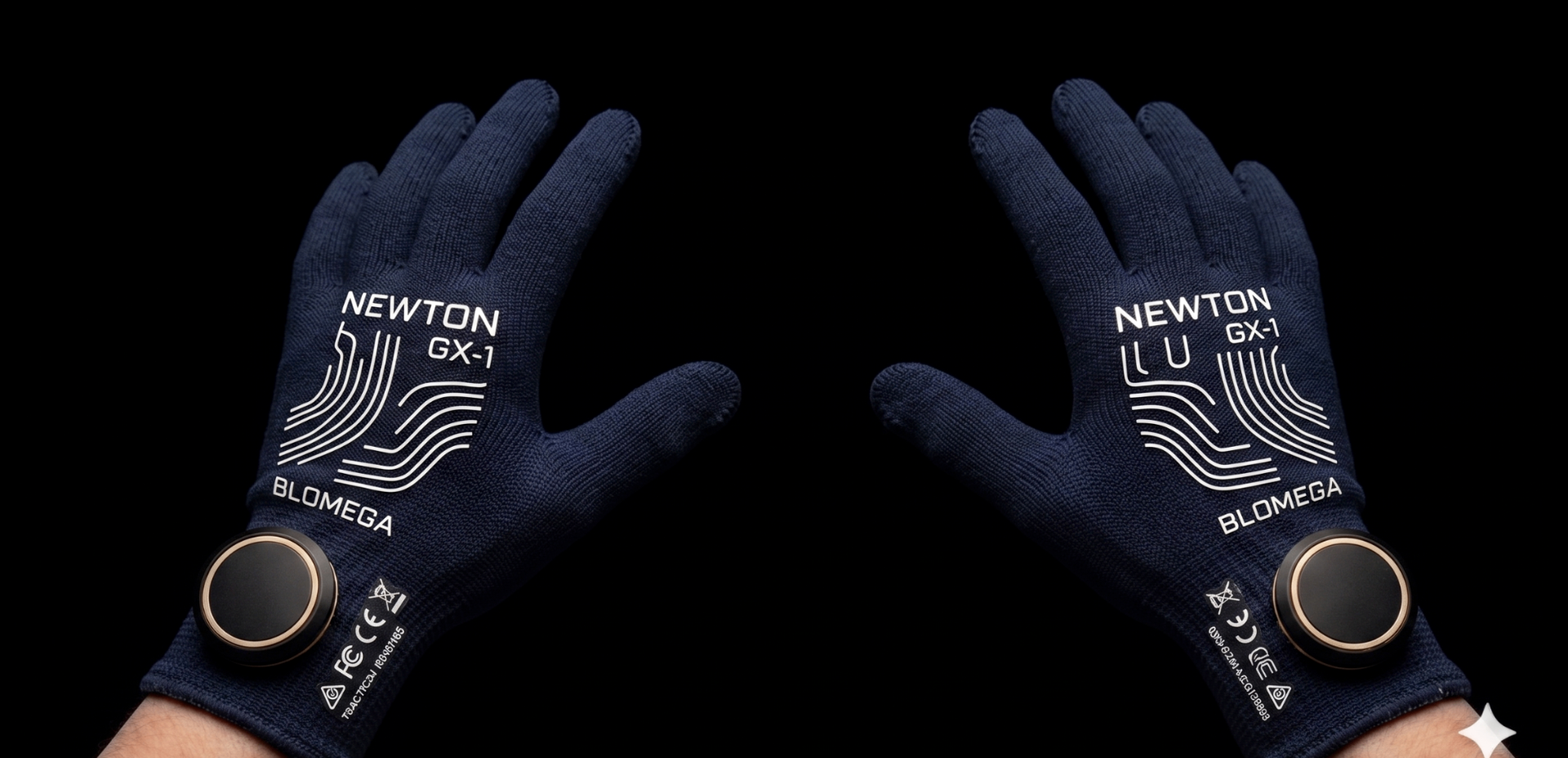
Every manipulation dataset is captured in one of two modes. The tradeoffs between them govern what you can teach a policy, how fast, and at what price.
The GELLO Legacy: What Comes After the $300 Puppet Arm
The GELLO teleoperation rig lowered the cost of imitation-learning data collection by an order of magnitude. Its own authors are now building the company that has to answer what comes next.
There Is No Serious Tactile Benchmark. That Is the Story.
The absence of a broadly-adopted tactile benchmark is not an oversight. It reflects how thoroughly the field is still operating on vision-first assumptions. Naming that gap is more useful than trying to fill it prematurely.
The Teleoperation Ceiling: Why Warehouses of Robot Arms Cap Out
Robot-in-the-loop capture, an operator flying a leader arm that drives a follower arm, is the fastest way to start collecting manipulation data. It is also the mode that hits a wall first.
What a Serious Tactile Benchmark Would Look Like
The field has vision benchmarks, manipulation benchmarks, and mobility benchmarks. It does not have a serious tactile benchmark. A design sketch for what one would need to include, and why building it is more useful than another leaderboard.
The Operator Network Is Infrastructure
Foundation-model labs talk about compute, data, and hardware. The fourth pillar, the humans who wear the capture rig and do the work, is the one nobody has industrialized yet.
Aligned Multi-Stream Capture: The Wearable Advantage
The single biggest advantage of a wearable capture rig over a teleop-warehouse or lab setup is what happens between modalities. Sub-millisecond alignment across force, pose, video, and biomechanics is not an add-on, it is what makes genuinely multimodal training possible.
Simulation Cannot Fake a Contact Event
High-fidelity simulators have become impressive enough that some teams argue real-world capture is optional. For dexterous manipulation, the argument breaks the moment two surfaces touch.
Most 'Multimodal' Robot Models Are Still Vision With Extras
The multimodal framing hides how thoroughly vision dominates modern robot policies. A frank look at the input mix in the most-cited systems, why the imbalance persists, and what a genuinely modality-balanced policy would require.
The Universal Robot Brain Has a Universal Data Problem
A single foundation model that drives any robot on any task is the most ambitious bet in physical AI. Its ceiling is not compute, it is the breadth and fidelity of the demonstrations you can feed it.
Vision + Force + Proprioception: The State of Multimodal Robot Learning
Multimodal is one of the most-used words in robot learning and one of the least examined. A working survey of what modalities are actually being fused in 2026, what the fusion architectures look like, and where the honest advances are.
Capturing Human Compliance as a Training Signal
Human hands are compliant instruments. Capturing what they do, not just where they go, turns a skilled operator into a source of the exact training signal that stiffness-blind robot policies lack. Here is how the capture works in practice.
Why Every Serious Robotics Lab Is Building Its Own Hand
Genesis AI shipped a proprietary dexterous hand alongside its foundation model. So did most of its peers. The reason is not vertical integration for its own sake, it is that the hand defines what the data has to look like.
Compliance Policies Are Undertrained Because Compliance Data Is Rare
The robotics community has known for years that compliant behavior is essential and that most learned policies do not exhibit it. The reason is upstream of any model architecture, the training data does not contain the signal.
Long-Horizon, Contact-Rich: Why Cooking Broke Robotics
Making a smoothie, harnessing a wire, or solving a Rubik's cube are the tasks foundation-model labs now benchmark on. They share the two properties that classical robotics could never handle at the same time.
A Roadmap to General-Purpose Household Robots
Where the field is, where it is going, and what has to be true for household robots to ship.
Impedance and Admittance Control, Without the Math
Compliance is the robotics word for behaving softly. A plain-language walkthrough of impedance and admittance control, why they matter for contact-rich tasks, and how they interact with modern learned policies.
The Economics of Robotics Data: Cost per Demonstration
Understand the unit economics before you scale.
Building a Slip-Labeled Dataset From Real Human Work
How BLO LAB captures, labels, and delivers slip and near-slip events at the scale foundation-model training requires. A concrete look at the collection protocol, the physics-based labeling, and what the resulting dataset lets a policy learn.
Evaluating Robot Policies: Metrics That Actually Matter
Success rate is not enough. Here is what to measure instead.
Slip Is the Failure Mode Nobody Trains For
Robot grasping benchmarks report success rates. Real deployments care about failure modes. Slip is the dominant failure mode in field data and the least represented in training data, a mismatch that quietly caps every policy shipped today.
Building a Multi-Modal Dataset: Video, IMU, Force, Audio
Combining streams is where the real work is. A field guide.
Slip Detection in Robot Grasping: A Field Primer
Slip is the physical event that decides whether a robot keeps hold of what it picked up. A working guide to how the field detects it, why traditional methods break, and what a modern slip-aware policy looks like.
From Contributor to Paycheck: How Talika Pays for Human Skill
The economics of the contributor side. How sessions turn into real income.
The 65% Problem: Why Fine Motor Skills Still Belong to Humans
Across advanced manufacturing, roughly two-thirds of remaining human labor is there for one reason, fine motor skill. Understanding that number is understanding where robotics goes next.
Force-Rate Capture on the BLO LAB Glove: The Signal Chain
A walk through the BLO LAB glove's force pipeline from sensor to serialized frame. What we sample, at what rate, how we calibrate across operators, and how the resulting stream survives the trip into a foundation-model training loader.
Whole-Body Manipulation and Why Suits Beat Cameras
Real tasks recruit the whole body. Capture that or leave capability on the table.
The 90% of Manipulation Datasets That Skip Force Entirely
A frank audit of the public and semi-public manipulation datasets that dominate foundation-model training. Force appears in a small minority, is calibrated in a smaller minority, and is present at usable rates in a smaller minority still. The gap is a strategic opening.
Folding, Peeling, Kneading: The Long Tail of Household Tasks
General-purpose robots die on the long tail. Coverage is the only way through.
Capturing the Craftsman: Turning Skilled Workers Into Training Data for Physical AI
The most valuable training data in robotics is not on the internet. It is inside the hands of the workers who already do the task. Here is how a modern capture program brings that skill into a model.
Why Fingertip Force Is a Better Signal Than Fingertip Pose
Pose tells you where the finger was. Force tells you what the finger was doing. For contact-rich tasks, which is most of them, the second is decisive and the first is derivative. A working primer on why the field is finally taking force seriously.
Kitchen Robotics: Why Cooking Is the Ultimate Benchmark
Kitchens are chaotic, deformable, and unforgiving. That is exactly why they are the right frontier.
Why We Chose Force-Instrumented Gloves Over Vision-Tactile Fingertips
The BLO LAB glove was designed against a specific trade-off: fingertip vision-tactile sensors are richer per contact, but instrumented gloves scale to the volume, embodiment, and task breadth a foundation-model dataset actually requires. Here is the reasoning, in full.
Data Licensing for Robotics: What Buyers and Contributors Should Know
Licensing terms decide who can train, what they can ship, and how contributors get compensated.
Vision-Tactile Sensors Are Beautiful. They're Almost Never in Real Datasets.
A survey of the largest public manipulation datasets shows vision-tactile signals in a vanishing fraction of demonstrations. The gap between what these sensors can do and what production data pipelines actually contain is where the field is quietly losing capability.
4D+ Motion Capture: Why Time-Aware Hand Data Beats Pose Snapshots
Traditional mocap gives you pose over time. 4D+ mocap gives you pose, force, contact, and micro-timing, the four axes a dexterous policy actually needs.
The Case for Egocentric Video in Foundation Models for Robotics
First-person video captures intent and attention in a way third-person cameras never will.
Vision-Based Tactile Sensors, Explained: GelSight, DIGIT, TacTip in 2026
A field primer on the three vision-tactile families that dominate research fingertips, how they work, what they measure, where they excel, and the practical limits that keep them out of most production datasets.
Understanding Degrees of Freedom in Robotic Hands
DoF is thrown around casually. It hides more nuance than people admit. A short primer.
Dexterity-First Foundation Models: What a Robotics Foundation Model Actually Requires
The field is converging on a new class of model, the Robotics Foundation Model, trained not on text but on trajectories. Here is what makes a dexterity-first RFM different from a generalist VLA.
Anatomy of a Motion-Capture Suit for Robotics (Roadmap)
What a robotics-first mocap suit should look like, and why we're shipping the glove first. A design brief, not a datasheet.
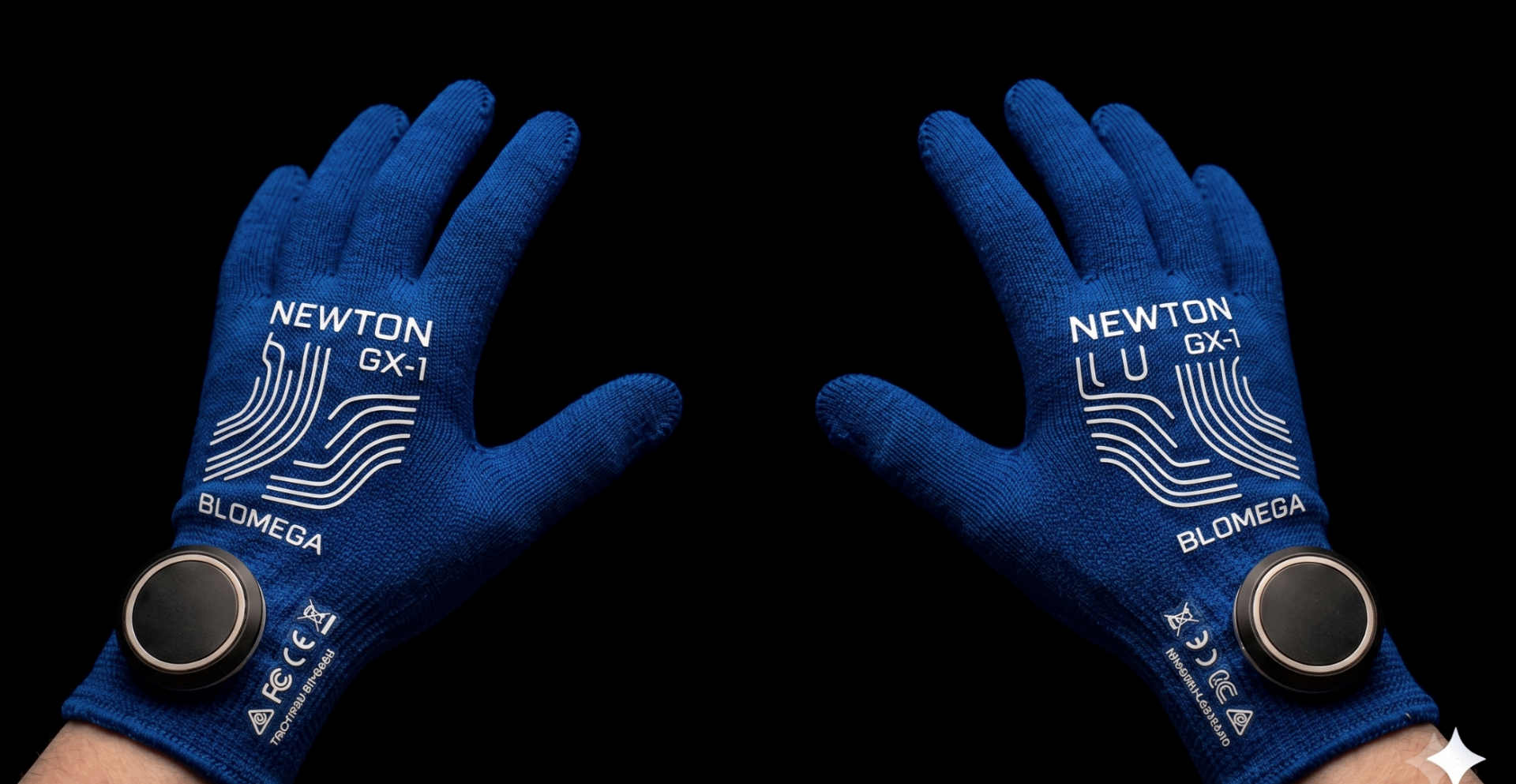
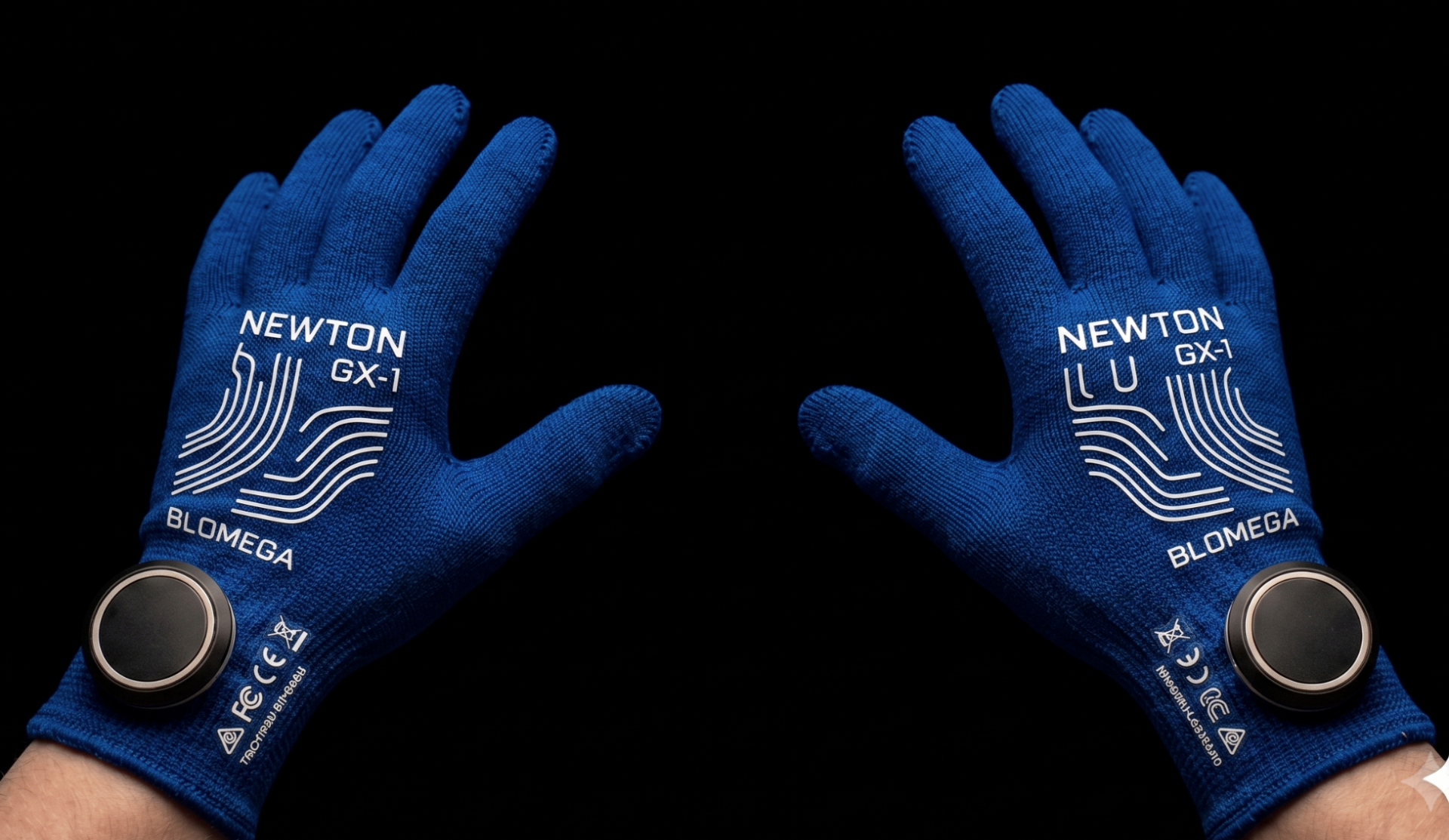
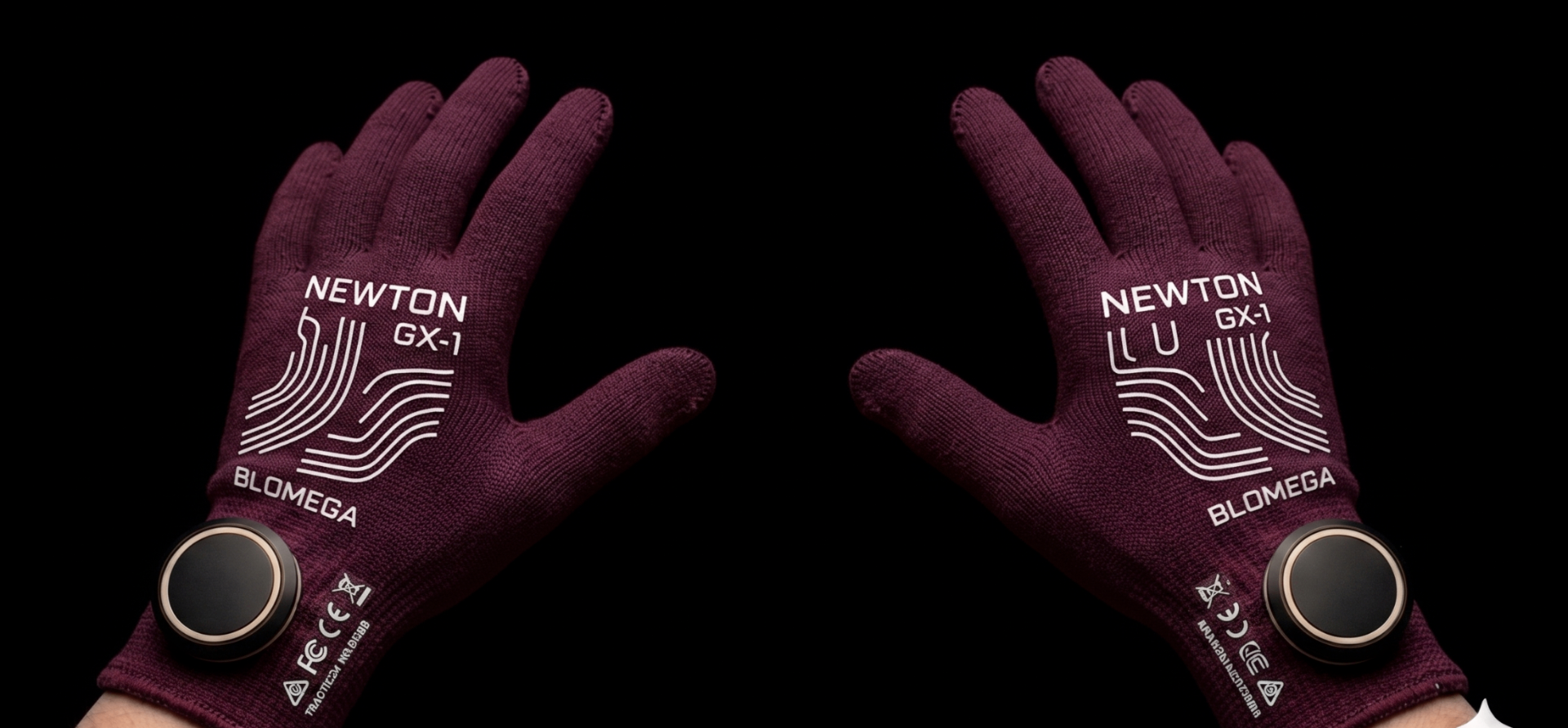
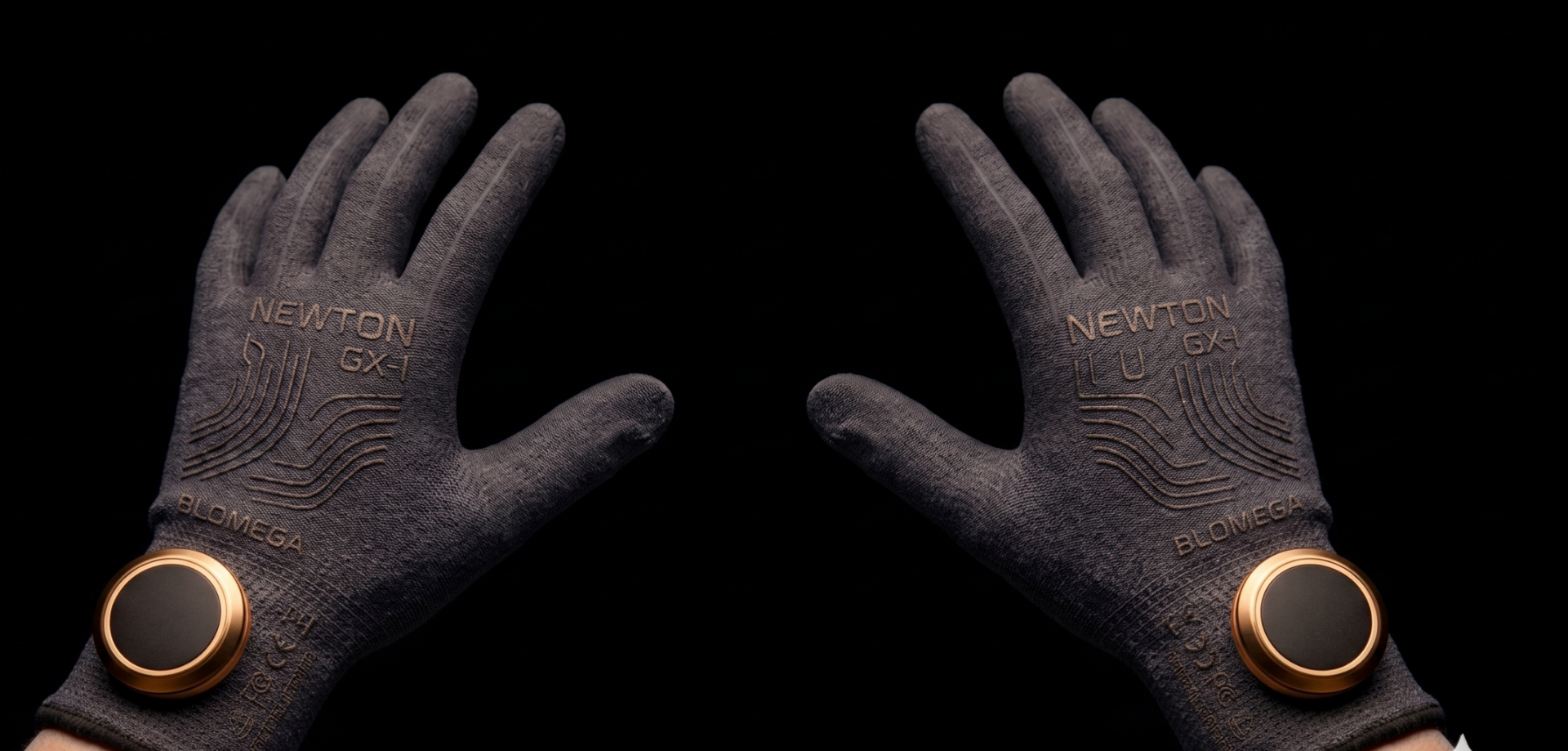
Inside the Glove: The Sensors Behind GX-1
A hardware tour of the honest v1 capture glove: 10 bend channels, fingertip force on three fingers, and a 6-axis wrist IMU, all 100 Hz hardware-synced.
Dexterity Is the Last Mile of Industrial Automation
Robots have automated the heavy, repetitive middle of manufacturing. What is left is the human hand, and closing that gap is now the single largest opportunity in physical AI.
Sim-to-Real Transfer: Where It Breaks and How Real Data Fixes It
Simulation is fast and cheap. It is also wrong. Here is where the reality gap opens and what to do about it.
How to Build a Dexterous Manipulation Dataset from Scratch
A practical checklist for teams standing up their first manipulation dataset, drawn from real deployments.
Diffusion Policies Explained for Robotics Engineers
Why diffusion, borrowed from image generation, quietly took over robot policy learning.
Imitation Learning 101: From Human Demonstration to Robot Policy
A walkthrough of how a recorded human demonstration becomes a running robot policy, without the math jargon.
Why Force Data Is the Missing Ingredient in Robot Manipulation
Robots that only see fail at soft objects, deformables, and anything requiring subtle grip. Force data solves that.
Motion Capture vs. Vision-Only Learning: A Practical Guide
Cameras are cheap, but they miss the physics. Here is when to reach for motion capture and when video is enough.
What Is Teleoperation Data and Why Robotics Needs It
A plain-English introduction to teleoperation, how it produces training data, and why every serious robotics team is investing in it.